ISHN logo
search
cart
facebook twitter linkedin youtube
  • Sign In
  • Create Account
  • Sign Out
  • My Account
ISHN logo
  • NEWS
    • Today's News
    • Global Safety News
    • Government Regulations
  • PRODUCTS
    • Product Innovations
    • Featured Products
  • TOPICS
    • Environmental Health and Safety
    • Facility Safety
    • Workplace Health
    • Occupational Safety
    • PPE
    • More Topics
  • CONSTRUCTION
  • TECHNOLOGY
  • COLUMNS
    • Best Practices
    • Dave Johnson: What’s going on
    • Editorial Comments
    • Leading Safety
  • MULTIMEDIA
    • ISHN Podcast
    • Videos
    • Cold Stress Education Quiz
    • Webinars
    • White Papers
  • MORE
    • Buyer's Guide
    • Newsletters
    • Convention Companion
    • Polls
    • Events
    • ISHN Store
    • Sponsor Insights
  • EMAGAZINE
    • eMagazine
    • Archived Issues
    • Contact
    • Advertise
  • JOIN TODAY!
Today's Safety NewsWorkplace Health

Americans now more likely to die from accidental opioid overdose than a car crash

January 15, 2019

For the first time in U.S. history, a person is more likely to die from an accidental opioid overdose than from a motor vehicle crash, according to National Safety Council analysis. The odds of dying accidentally from an opioid overdose have risen to one in 96, eclipsing the odds of dying in a motor vehicle crash (one in 103). NSC unveiled the analysis on Injury Facts – the definitive resource for data around unintentional, preventable injuries, commonly known as “accidents.” The nation’s opioid crisis is fueling the Council’s grim probabilities, and that crisis is worsening with an influx of illicit fentanyl.

“We’ve made significant strides in overall longevity in the United States, but we are dying from things typically called accidents at rates we haven’t seen in half a century,” said Ken Kolosh, manager of statistics at NSC. “We cannot be complacent about 466 lives lost every day. This new analysis reinforces that we must consistently prioritize safety at work, at home and on the road to prevent these dire outcomes.”

NSC analysis also shows that falls – the third leading cause of preventable death behind drug overdose and motor vehicle crashes – are more likely to kill someone than ever before. The lifetime odds of dying from an accidental fall are one in 114 – a change from one in 119 just a year ago.

To keep the public up to date on the latest injury and fatality trends, the Council has added “Poisonings,” “Older Adult Falls,” “Fire-Related Fatalities and Injuries,” and “Deaths by Transportation Mode” to Injury Facts. To demonstrate why Americans should be more concerned about preventable injuries than headline-grabbing catastrophes, the Council also added designated pages about airplane crashes, railroad deaths and consumer products – all issues that tend to spark nationwide anxiety but lead to far fewer fatal incidents than routine, everyday activities such as taking medication, driving or getting out of bed.

Preventable injuries are the third leading cause of death, claiming an unprecedented 169,936 lives in 2017 and trailing only heart disease and cancer. Of the three leading causes of death, preventable injuries were the only category to experience an increase in 2017, according to NSC analysis of the CDC data issued in December. A person’s lifetime odds of dying from any preventable, accidental cause are one in 25 – a change from one in 30 in 2004.

Additional new data on Injury Facts – digitized last spring after 98 years of hardcover publication – include:

  • Bicycle deaths, which increased 28% in 2016
  • Deaths by sex, age and cause, revealing more men die from preventable causes than women
  • Intentional vs. preventable deaths, with preventable deaths far outnumbering intentional ones

Visit injuryfacts.nsc.org for the Council’s complete Odds of Dying From … list and other information about leading causes of preventable death.

About the National Safety Council

The National Safety Council is a nonprofit organization whose mission is to eliminate preventable deaths at work, in homes and communities, and on the road through leadership, research, education and advocacy. Founded in 1913 and chartered by Congress, NSC advances this mission by partnering with businesses, government agencies, elected officials and the public in areas where we can make the most impact.

Source: NSC


KEYWORDS: accident prevention opioids substance abuse traffic accidents

Share This Story

Looking for a reprint of this article?
From high-res PDFs to custom plaques, order your copy today!

Recommended Content

JOIN TODAY
to unlock your recommendations.

Already have an account? Sign In

  • forklift safety

    Exploring the latest technologies in forklift safety

    With more staff and more stock in warehousing now more...
    Facility Safety
    By: Josh Cramer
  • welding

    All about welder’s flash or arc eye

    A flash burn is a painful inflammation of the cornea,...
    Environmental Health and Safety
  • dangerous jobs

    The 10 most dangerous jobs in the U.S.

    On-the-job deaths have been rising — hitting the highest...
    Occupational Safety
    By: Benita Mehta
Manage My Account
  • eMagazine Subscriptions
  • ISHN Newsletter & Other Newsletter Alerts
  • Online Registration
  • Manage My Preferences
  • Subscription Customer Service

More Videos

Sponsored Content

Sponsored Content is a special paid section where industry companies provide high quality, objective, non-commercial content around topics of interest to the ISHN audience. All Sponsored Content is supplied by the advertising company and any opinions expressed in this article are those of the author and not necessarily reflect the views of ISHN or its parent company, BNP Media. Interested in participating in our Sponsored Content section? Contact your local rep!

close
  • man wearing the the Sundström SR200 Full Face Mask Respirator
    Sponsored byOHD

    5 Fit Testing Mistakes That Could Cost You

  • This image shows Magid AcuSpex polarized blue mirrored safety glasses.
    Sponsored byMagid Glove and Safety

    Construction PPE Guide: What Crews Need for Each Task

  • lone worker in confined space
    Sponsored byAlphasense Ltd.

    GET THE LEAD OUT of your Safety Oxygen Sensors!

Popular Stories

SpaceX 7 launch

OSHA Investigating Fatal Fall at SpaceX Starbase

Worker Impairment

How to Tell When a Co-Worker is Impaired? A Safety Pro’s Challenge

Automated loading dock equipment

After March 2026 Rivian Death, Safety Managers Reassess Loading Dock Systems Under OSHA's Warehouse Emphasis Program

top 10 most dangerous jobs

Poll

Seasonal Readiness

With the federal heat stress prevention rule on the horizon, which area of your safety program needs the most attention?
View Results Poll Archive

Products

Surviving an OSHA Audit A Management Guide, 2nd Edition

Surviving an OSHA Audit A Management Guide, 2nd Edition

See More Products

ISHN Podcasts

Related Articles

  • Injured workers more likely to die from suicide or opioid overdose

    See More
  • Americans in rural areas more likely to die by suicide

    See More
  • Employees are 28x more likely to get hurt off the job

    See More

Related Products

See More Products
  • Optimizing Social Media from a B2B Perspective

  • 111885960X.jpg

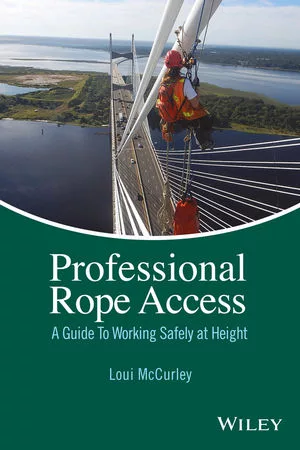
    Professional Rope Access: A Guide To Working Safely at Height

  • 0470387408.jpg

    Preparing for OSHA s Voluntary Protection Programs: A Guide to Success

See More Products
×

Become a Leader in Safety Culture

Build your knowledge with ISHN, covering key safety, health and industrial hygiene news, products, and trends.

JOIN TODAY
  • RESOURCES
    • Advertise
    • Contact Us
    • Directories
    • Manufacturing Division
    • Store
    • Want More
  • SIGN UP TODAY
    • Create Account
    • eMagazine
    • Newsletters
    • Customer Service
    • Manage Preferences
  • SERVICES
    • Marketing Services
    • Reprints
    • Market Research
    • List Rental
    • Survey/Respondent Access
  • STAY CONNECTED
    • LinkedIn
    • Facebook
    • YouTube
    • X (Twitter)
  • PRIVACY
    • PRIVACY POLICY
    • TERMS & CONDITIONS
    • DO NOT SELL MY PERSONAL INFORMATION
    • PRIVACY REQUEST
    • ACCESSIBILITY

Copyright ©2026. All Rights Reserved BNP Media, Inc. and BNP Media II, LLC.

Design, CMS, Hosting & Web Development :: ePublishing