ISHN logo
search
cart
facebook twitter linkedin youtube
  • Sign In
  • Create Account
  • Sign Out
  • My Account
ISHN logo
  • NEWS
    • Today's News
    • Global Safety News
    • Government Regulations
  • PRODUCTS
    • Product Innovations
    • Featured Products
  • TOPICS
    • Environmental Health and Safety
    • Facility Safety
    • Workplace Health
    • Occupational Safety
    • PPE
    • More Topics
  • CONSTRUCTION
  • TECHNOLOGY
  • COLUMNS
    • Best Practices
    • Dave Johnson: What’s going on
    • Editorial Comments
    • Leading Safety
  • MULTIMEDIA
    • ISHN Podcast
    • Videos
    • Cold Stress Education Quiz
    • Webinars
    • White Papers
  • MORE
    • Buyer's Guide
    • Newsletters
    • Convention Companion
    • Polls
    • Events
    • ISHN Store
    • Sponsor Insights
  • EMAGAZINE
    • eMagazine
    • Archived Issues
    • Contact
    • Advertise
  • JOIN TODAY!
Occupational SafetySafety TechnologyConstruction Industry Safety and Health

Getting ‘smart’ about construction safety

Wearable sensors could monitor stress, physical demands and even risk perception

Internet of Things IoT
May 27, 2019

The construction industry, by its nature, can be dangerous. SangHyun Lee, an associate professor in the University of Michigan’s Department of Civil and Environmental Engineering, says wearable sensors can improve construction worker safety and also reduce costs through better data on worker health. He answers questions about his research.

Why attach sensors to construction workers?

Lee: Construction is labor intensive and has the highest number of accidents among all U.S. industries. Many workers wind up leaving construction jobs without enjoying their full career due to injuries or stressful environments.

In addition, construction is struggling to recruit younger workers. It lacks a skilled workforce and that jeopardizes ongoing infrastructure rehabilitation. These wearables can be used to monitor the physical and mental stress of workers so that any potential problems can be understood and, eventually, fixed.

EEG data gives researchers a sense of a worker’s emotional state, and high stress levels can be indicative of unsafe behaviors.

It’s hard for a construction worker to carry any monitoring devices or to stop their labor to provide data. But wearables, like a wristband, can be worn without interfering in that work while continuously sending back data. And with the opportunity for haptic feedback, they can be used for important communication, such as safety alarms.

Beyond the workers, who stands to benefit from the use of sensing technology in the construction environment?

Lee: Some construction companies take steps like having workers stretch before starting the day to reduce the potential for accidents and injuries. They can also provide training to encourage employees to operate safely. So, any improvement for the workers can be directly beneficial to construction companies.

Adding sensing technology could lower insurance premiums since many insurance companies provide discounts if companies engage in activity aimed at reducing workplace injuries and accidents.

Like a patient in health care, we can monitor workers’ physical and mental status to identify red flags. However, this does not mean that all data has to be shared with management, which touches on worker privacy concerns. Workers could be empowered to monitor their own status.

What engineering advances in recent years have made sensing technology more adaptable to the work environment?

Lee: Much of the technology has become truly “wearable” (i.e., comfortable and small-sized) and the sensors, along with advanced signal processing and machine learning, have become capable of operating at a certain standard of accuracy and robustness. Currently, we’re seeing these technologies utilized most in the health care field.

How does your research fit into this overall picture?

Lee: My research applies advanced signal processing and machine learning techniques to derive useful information from wearables. For example, my research group identifies stress, physical demands, risk perception level and other factors from a simple wristband monitor. Sensors track heart rate, skin temperature and electrical activity on the skin.

I work with several construction companies to see how useful these technologies are for worker safety and health.

What are the hurdles to widespread implementation of wearable sensing technology?

Lee: I’ve spoken with many construction companies and their workers, as well as insurance companies. Everyone sees the potential to improve construction safety and health. But they all want to see successful cases of return on investment, which we’re working on.

In terms of the workers, one interesting finding is that older workers would like to see how the technology is useful to them, e.g., actual safety improvements. Younger workers are already familiar with wearable technologies and already see the value. However, they’re willing to wear them if their co-workers are using them, which is more about social influence.

Multiple strategies for the adoption of wearable sensing technology might be useful—targeting different demographics with different approaches.

Source: University of Michigan

KEYWORDS: wearables

Share This Story

Looking for a reprint of this article?
From high-res PDFs to custom plaques, order your copy today!

Recommended Content

JOIN TODAY
to unlock your recommendations.

Already have an account? Sign In

  • forklift safety

    Exploring the latest technologies in forklift safety

    With more staff and more stock in warehousing now more...
    Facility Safety
    By: Josh Cramer
  • welding

    All about welder’s flash or arc eye

    A flash burn is a painful inflammation of the cornea,...
    Environmental Health and Safety
  • dangerous jobs

    The 10 most dangerous jobs in the U.S.

    On-the-job deaths have been rising — hitting the highest...
    Construction Industry Safety and Health
    By: Benita Mehta
Manage My Account
  • eMagazine Subscriptions
  • ISHN Newsletter & Other Newsletter Alerts
  • Online Registration
  • Manage My Preferences
  • Subscription Customer Service

More Videos

Sponsored Content

Sponsored Content is a special paid section where industry companies provide high quality, objective, non-commercial content around topics of interest to the ISHN audience. All Sponsored Content is supplied by the advertising company and any opinions expressed in this article are those of the author and not necessarily reflect the views of ISHN or its parent company, BNP Media. Interested in participating in our Sponsored Content section? Contact your local rep!

close
  • man wearing the the Sundström SR200 Full Face Mask Respirator
    Sponsored byOHD

    5 Fit Testing Mistakes That Could Cost You

  • This image shows Magid AcuSpex polarized blue mirrored safety glasses.
    Sponsored byMagid Glove and Safety

    Construction PPE Guide: What Crews Need for Each Task

  • lone worker in confined space
    Sponsored byAlphasense Ltd.

    GET THE LEAD OUT of your Safety Oxygen Sensors!

Popular Stories

SpaceX 7 launch

OSHA Investigating Fatal Fall at SpaceX Starbase

dust explosion

Tennessee OSHA Issues Record $3.1M Fine After Deadly Explosion at Munitions Plant

Worker Impairment

How to Tell When a Co-Worker is Impaired? A Safety Pro’s Challenge

top 10 most dangerous jobs

Poll

Seasonal Readiness

With the federal heat stress prevention rule on the horizon, which area of your safety program needs the most attention?
View Results Poll Archive

Products

Surviving an OSHA Audit A Management Guide, 2nd Edition

Surviving an OSHA Audit A Management Guide, 2nd Edition

See More Products

ISHN Podcasts

Related Articles

  • Getting "smart" about construction safety

    See More
  • CDC urges Americans to “get smart about antibiotics”

    See More
  • wearable safety technology

    Construction safety goes high-tech

    See More

Related Products

See More Products
  • 9781264257829_24.jpeg

    Construction Safety: Health, Practices and OSHA

  • 9780849365461.jpg

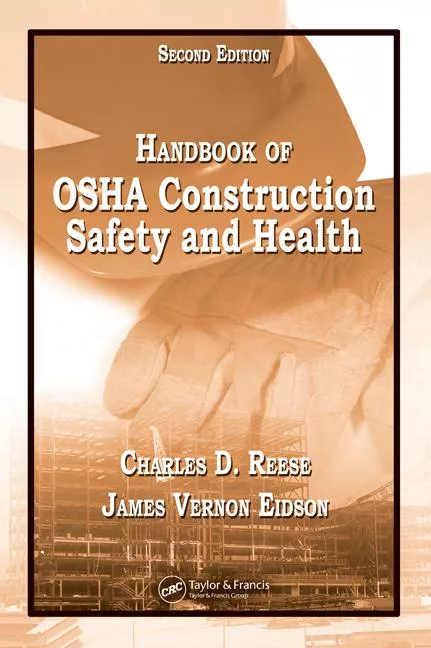
    Handbook of OSHA Construction Safety and Health, Second Edition

See More Products
×

Become a Leader in Safety Culture

Build your knowledge with ISHN, covering key safety, health and industrial hygiene news, products, and trends.

JOIN TODAY
  • RESOURCES
    • Advertise
    • Contact Us
    • Directories
    • Manufacturing Division
    • Store
    • Want More
  • SIGN UP TODAY
    • Create Account
    • eMagazine
    • Newsletters
    • Customer Service
    • Manage Preferences
  • SERVICES
    • Marketing Services
    • Reprints
    • Market Research
    • List Rental
    • Survey/Respondent Access
  • STAY CONNECTED
    • LinkedIn
    • Facebook
    • YouTube
    • X (Twitter)
  • PRIVACY
    • PRIVACY POLICY
    • TERMS & CONDITIONS
    • DO NOT SELL MY PERSONAL INFORMATION
    • PRIVACY REQUEST
    • ACCESSIBILITY

Copyright ©2026. All Rights Reserved BNP Media, Inc. and BNP Media II, LLC.

Design, CMS, Hosting & Web Development :: ePublishing