Conventional gas detection isn't enough when it comes to purge testing
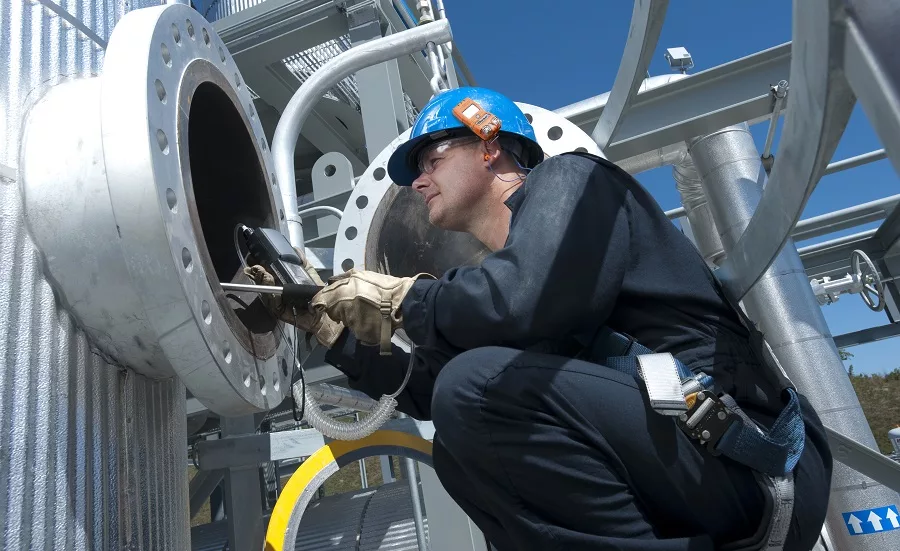
Purge testing is crucial when installing or replacing a natural gas pipeline or exposing an area to a new test gas. This clears the affected area of other gases that may mix with the new gas, which can lead to combustion or make the gas mixture more hazardous to employees. Conventional gas detectors not properly fitted for purge testing may encounter shortened sensor life and damage due to excessive exposure. Conventional Gas Detectors utilize an LEL sensor that generally reads from 0-100% LEL (effectively 2.5% Vol). A high pressure gas line may contain up to 100% VOL, which would disable a typical catalytic bead sensor in seconds. If teams do not perform purge testing, their gas detection equipment may get damaged or produce inaccurate readings.
What is purge testing?
Purge testing is the process of purging an area of all gases to make sure you know which gases are moving through your gas delivery system. This is the air your gas detection equipment will test when workers are inside the space. Some gases combust, become more dangerous, or create corrosive liquids when exposed to other gases. This can damage your gas detection equipment and pose a risk to the health and safety of your employees.
Purging removes or displaces these additional gases from the air, so they don’t mix with the target gas, such as natural gas in a mainline or another hazardous gas in confined spaces. Nitrogen is the most commonly used and preferred purge gas. After conducting a purge, an upstream valve is opened to allow natural gas to enter, while a service valve on the line with a stand pipe or diffuser attached is cracked to release the venting gas or nitrogen. Purge testing should be completed after performing maintenance and repairs to make sure the gas detection equipment is working properly.
This is also a part of the regular calibration and equipment analyzing process, regardless of whether these additional gases pose a risk to health and safety. Gas monitors require a fresh air calibration to reset the baseline on sensors. Without purge testing, the target gas may react with other elements and gases. Purging systems redirect additional gases away from the work area so they don’t mix with the target gas reaching the sensors.
Why conventional gas detection isn’t enough
Traditional gas detection systems aren’t designed to work in oxygen-deprived environments or test for gas mixtures. They are used to detect small traces of target gases in controlled environments. If there isn’t enough oxygen in the air or too many gases are present in the area, the sensors on the device may produce inaccurate results. Certain gas combinations and corrosive liquids may also damage the gas detection equipment, rendering it useless.
Without purge testing, some workers may be breathing in toxic gases without realizing it if the sensors on their detection equipment have become defective. This can lead to respiratory issues, serious injury, and even death.
You cannot rely on a standard confined space gas detection instrument to adequately test for safe conditions during this process, as the high gas level will overwhelm or damage an LEL sensor, and the sensor will not function in an oxygen-depleted atmosphere. Instead, go with a gas monitor that is specifically designed for this application that can utilize a sensor that can measure high gas levels without damage, and does not require oxygen for accurate measurements.
Installing a purge system
Some teams may use a purge system to regularly displace unwanted gases from the work area. The system connects to the regulatory body using a high-pressure inlet pump. It purges the area by pumping the displacement gas through the gas delivery system with an isolation or vent system downstream from the regulator for rerouting the displacement gas to a safe location. These systems can be used in a range of different locations and settings, including laboratories, confined spaces, and natural gas pipelines.
Purging a natural gas pipeline
It’s important to purge natural gas lines when making repairs or bringing a new system online. Most teams use nitrogen when purging mainlines. This displaces the natural gas to a safe location, so it doesn’t interfere with gas detection readings. A standpipe or diffuser is then used to let the nitrogen or displacement gas escape.
Teams should then take readings at the standpipe or diffuser. The gas detection device should be placed in % Vol only, also known as “purge mode” to avoid damaging the sensors on the gas detection equipment, some teams may need to use a T-fitting adapter to sample air from a wider area.
When purging an existing natural gas line, the mainline should be purged with nitrogen until oxygen levels are 0.5% or less, and gas readings are below 2%. Once these readings have been verified, the line can be opened, and the team can begin making repairs. However, this releases air into the main line, so the area will need to be purged again with nitrogen after the work is completed. Once the line has been re-purged, teams should again take readings at the standpipe with the gas detector in “purge mode” to make sure oxygen levels are 0.5% or less. When the line is back up and running, teams should use a gas monitor to make sure gas levels are at 98% or above.
When purging a new line, teams should purge the space with nitrogen before taking readings at the standpipe with the gas detector in “purge mode” to make sure oxygen levels are at 0.5% or less. They should then activate the line and make sure gas levels are at 98% or above.
It’s best to use a gas detection device that’s designed to work in a variety of settings, including those with low oxygen saturation, or teams run the risk of damaging their equipment. The device should use a durable thermal conductivity (TC) sensor to improve accuracy in the field. These sensors can measure high concentrations of gas without damaging the system’s LEL (Lower Explosive Levels) detection capabilities.
Companies should keep this information in mind when servicing natural gas lines or changing from one target gas to another. Additional gases can leak into the space, leading to combustion, corrosion, and inaccurate measurements. Purging is a regular part of the testing and maintenance process. Everyone should use the proper purging equipment when completing this process.
Looking for a reprint of this article?
From high-res PDFs to custom plaques, order your copy today!