ISHN logo
search
cart
facebook twitter linkedin youtube
  • Sign In
  • Create Account
  • Sign Out
  • My Account
ISHN logo
  • NEWS
    • Today's News
    • Global Safety News
    • Government Regulations
  • PRODUCTS
    • Product Innovations
    • Featured Products
  • TOPICS
    • Environmental Health and Safety
    • Facility Safety
    • Workplace Health
    • Occupational Safety
    • PPE
    • More Topics
  • CONSTRUCTION
  • TECHNOLOGY
  • COLUMNS
    • Best Practices
    • Dave Johnson: What’s going on
    • Editorial Comments
    • Leading Safety
  • MULTIMEDIA
    • ISHN Podcast
    • Videos
    • Cold Stress Education Quiz
    • Webinars
    • White Papers
  • MORE
    • Buyer's Guide
    • Newsletters
    • Convention Companion
    • Polls
    • Events
    • ISHN Store
    • Sponsor Insights
  • EMAGAZINE
    • eMagazine
    • Archived Issues
    • Contact
    • Advertise
  • JOIN TODAY!
Occupational SafetyIndustrial HygieneSafety TechnologySustainability in Health and Safety

Buildings suffering from under ventilation, toxic hazards need help
By Michael Driedger
toxic hazards

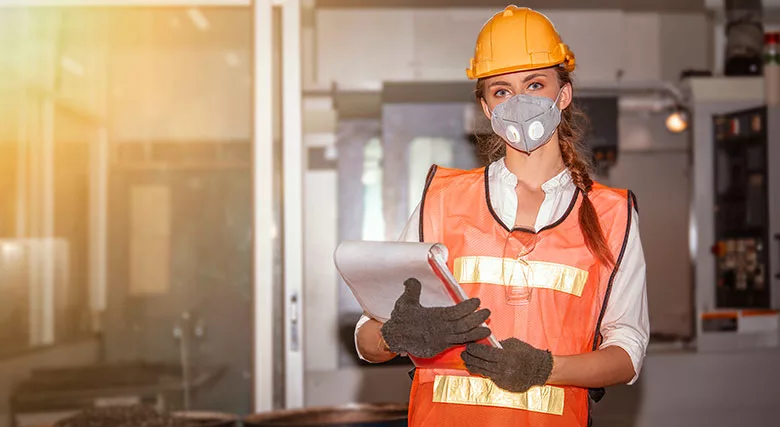
waraphorn-aphai / iStock / Getty Images Plus via Getty Images

January 20, 2022

In 1969 the Cuyahoga River in Ohio caught fire. This would have been a big news story at the time, had it not been for the fact that the river had caught fire numerous times in the past, in fact 13 times since 1868. However, what was notable in 1969 was that this time the fire, on an oil slick, was near the city of Cleveland and subsequently influenced how quickly the country adopted the Clean Water Act in 1972.

In 1973, ASHRAE Standard 62 reduced required ventilation from 10 cubic feet per minute (4.7 L/s) per person to 5 cubic feet per minute (2.4 L/s) per person. This action was found to be a contributing factor to “sick-building syndrome,” with building regulations getting tightened and ventilation rates being decreased to save energy. The policy was well intended, but today we are still dealing with a legacy of under ventilation and other significant issues inside of buildings that impact their health.

In the case of sick-building syndrome, many of the issues identified were related to mold being associated with legionnaire’s disease, spores causing breathing issues and other nasty illnesses becoming a risk. At that time, we did not yet fully understand the effects of VOCs off-gassing in a space, nor had asbestos yet been identified as a major building issue.

Change is slow

I remember in the first days of the green building movement (back in the early 2000s), it was very difficult to get people to agree that initiatives like flame retardants could be doing more harm than good (through off-gassing). Equally, attempting to remove VOCs and formaldehyde from products was something worth doing. Those early versions of LEED got a great deal of push back but now EPDs (environmental product declarations), MSDS (material safety data sheets), and things like the chemicals of concern repository from Pharos are becoming more and more mainstream in the building industry.

All the effort to remove toxic items from materials, water and our lives is considerable, but we haven't yet turned our attention to our indoor environments and taken the same kinds of action evidenced by many studies and through real-time monitoring.

It’s very hard to completely keep our particulate matter from buildings for example. It’s difficult because particulate matter is not just one type of contaminant. It’s a group of many different contaminants that are suspended in the air. Some are visible, like smoke or smog, but others are smaller and invisible, like soot or ash. Pollen also falls into this category. High levels of PM1, PM2.5 and PM10 (dust and other indoor pollution) in indoor spaces can trigger asthma or allergies and aggravate coronary or respiratory issues. Keeping them out with building filtration systems requires more maintenance and filter changing than is commonly happening in buildings.

Indoor air quality should be a priority

As an industry, we don’t yet have a handle on VOCs. We’ve seen spaces where material selection for low VOC was very well done yet high levels still exist (correlated to CO2 levels, so it’s very likely being brought in by people). High levels of VOCs in indoor spaces can reduce cognitive function and are a health risk. For a healthier and safer building, getting VOCs as low as possible is now a priority.

Even CO2 can be an issue in building. High levels of CO2 in indoor spaces can reduce cognitive function and are also a health risk. For a healthier and safer building, you monitor your indoor air quality in real-time, set alerts to identify risks, and optimize your system to save energy through our software

While COVID is on everyone’s minds these days, we shouldn’t forget that this virus is not the only concern with regards to indoor air quality. That said, creating viral indexes based on data such as relative humidity and temperature which affects virus survival rates, CO2 which can detect the likely amount of virus in the air, and particulate matter (transmissibility), are now available through sensor manufacturers. Of course the work is still ongoing to make this fully optimal, but let’s remember that improved IAQ doesn’t only lead to reduced virus risk, but also to reduced chemical risks.

Risks aside, the upside of improving indoor air quality (we spend 90% of our time indoors) will mean better sleep, thinking more clearly, and just generally feeling better - less lethargic with greater energy. While water quality regulation became a priority within 3 years after the Cuyahoga River incident, we should remember that we drink 6 liters of water a day but breathe 8 liters of air every minute. Makes you think doesn’t it?

The impetus of the pandemic and the risks associated with where we spend most of our time, will hopefully lead to changes throughout the building industry that will reshape the world beyond COVID.

KEYWORDS: chemicals indoor air quality (IAQ) Respiratory Protection

Share This Story

Looking for a reprint of this article?
From high-res PDFs to custom plaques, order your copy today!

Michael Driedger is the founder and CEO of Airsset Technologies, a platform of software and IoT devices that allows for the measurement, analysis and solving of air quality for indoor spaces with the goal to create healthy and productive spaces for all through digital transformation. Prior to launching Airsset, Michael co-founded and was CEO of a software SaaS company in the hospitality space and has a long career in the green/healthy building industry both as a consultant and founder. www.airsset.com

Recommended Content

JOIN TODAY
to unlock your recommendations.

Already have an account? Sign In

  • forklift safety

    Exploring the latest technologies in forklift safety

    With more staff and more stock in warehousing now more...
    Workplace Training Strategies
    By: Josh Cramer
  • welding

    All about welder’s flash or arc eye

    A flash burn is a painful inflammation of the cornea,...
    Environmental Health and Safety
  • dangerous jobs

    The 10 most dangerous jobs in the U.S.

    On-the-job deaths have been rising — hitting the highest...
    Occupational Safety
    By: Benita Mehta
Manage My Account
  • eMagazine Subscriptions
  • ISHN Newsletter & Other Newsletter Alerts
  • Online Registration
  • Manage My Preferences
  • Subscription Customer Service

More Videos

Sponsored Content

Sponsored Content is a special paid section where industry companies provide high quality, objective, non-commercial content around topics of interest to the ISHN audience. All Sponsored Content is supplied by the advertising company and any opinions expressed in this article are those of the author and not necessarily reflect the views of ISHN or its parent company, BNP Media. Interested in participating in our Sponsored Content section? Contact your local rep!

close
  • man wearing the the Sundström SR200 Full Face Mask Respirator
    Sponsored byOHD

    5 Fit Testing Mistakes That Could Cost You

  • This image shows Magid AcuSpex polarized blue mirrored safety glasses.
    Sponsored byMagid Glove and Safety

    Construction PPE Guide: What Crews Need for Each Task

  • lone worker in confined space
    Sponsored byAlphasense Ltd.

    GET THE LEAD OUT of your Safety Oxygen Sensors!

Popular Stories

SpaceX 7 launch

OSHA Investigating Fatal Fall at SpaceX Starbase

Worker Impairment

How to Tell When a Co-Worker is Impaired? A Safety Pro’s Challenge

Automated loading dock equipment

After March 2026 Rivian Death, Safety Managers Reassess Loading Dock Systems Under OSHA's Warehouse Emphasis Program

top 10 most dangerous jobs

Poll

Seasonal Readiness

With the federal heat stress prevention rule on the horizon, which area of your safety program needs the most attention?
View Results Poll Archive

Products

Surviving an OSHA Audit A Management Guide, 2nd Edition

Surviving an OSHA Audit A Management Guide, 2nd Edition

See More Products

ISHN Podcasts

Related Articles

  • Iraq/Afghanistan war vets suffering from new respiratory condition?

    See More
  • Is your company suffering from audit fatigue?

    See More
  • Are you suffering from audit fatigue?

    See More

Related Products

See More Products
  • ANSI/AIHA/ASSE Z9.3-2007 Spray Finishing Operations: Safety Code for Design, Construction and Ventilation

See More Products

Related Directories

  • e-Hazard

    E-Hazard is dedicated to building an electrical safety culture with you. Our electrical engineering services and training will prepare your team for any electrical safety needs or concerns. E-Hazard can help with electrical training, arc flash studies, electrical audits, electrical safety programs, LOTO, infrared scanning, NFPA 70B, consulting and much more.
×

Become a Leader in Safety Culture

Build your knowledge with ISHN, covering key safety, health and industrial hygiene news, products, and trends.

JOIN TODAY
  • RESOURCES
    • Advertise
    • Contact Us
    • Directories
    • Manufacturing Division
    • Store
    • Want More
  • SIGN UP TODAY
    • Create Account
    • eMagazine
    • Newsletters
    • Customer Service
    • Manage Preferences
  • SERVICES
    • Marketing Services
    • Reprints
    • Market Research
    • List Rental
    • Survey/Respondent Access
  • STAY CONNECTED
    • LinkedIn
    • Facebook
    • YouTube
    • X (Twitter)
  • PRIVACY
    • PRIVACY POLICY
    • TERMS & CONDITIONS
    • DO NOT SELL MY PERSONAL INFORMATION
    • PRIVACY REQUEST
    • ACCESSIBILITY

Copyright ©2026. All Rights Reserved BNP Media, Inc. and BNP Media II, LLC.

Design, CMS, Hosting & Web Development :: ePublishing