ISHN logo
search
cart
facebook twitter linkedin youtube
  • Sign In
  • Create Account
  • Sign Out
  • My Account
ISHN logo
  • NEWS
    • Today's News
    • Global Safety News
    • Government Regulations
  • PRODUCTS
    • Product Innovations
    • Featured Products
  • TOPICS
    • Environmental Health and Safety
    • Facility Safety
    • Workplace Health
    • Occupational Safety
    • PPE
    • More Topics
  • CONSTRUCTION
  • TECHNOLOGY
  • COLUMNS
    • Best Practices
    • Dave Johnson: What’s going on
    • Editorial Comments
    • Leading Safety
  • MULTIMEDIA
    • ISHN Podcast
    • Videos
    • Cold Stress Education Quiz
    • Webinars
    • White Papers
  • MORE
    • Buyer's Guide
    • Newsletters
    • Convention Companion
    • Polls
    • Events
    • ISHN Store
    • Sponsor Insights
  • EMAGAZINE
    • eMagazine
    • Archived Issues
    • Contact
    • Advertise
  • JOIN TODAY!
Environmental Health and SafetyFacility SafetyIndustrial HygieneSustainability in Health and Safety

Reducing toxic emissions: A holistic approach for industrial sustainability
By Advanced Technology Services
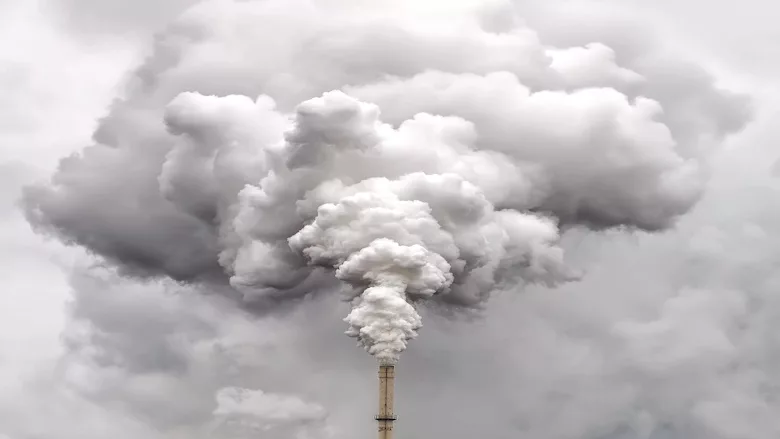
Smoke from factory pipe against dark overcast sky
Getty Images

Photo: Getty Images

May 30, 2024

Industrial plants — including manufacturing and power plants — are significant contributors to air pollution, emitting toxic substances that pose serious health risks to workers and the surrounding environment. While regulations exist to minimize these dangers, there are additional methods that can be incorporated to effectively reduce air pollution in these facilities.


Understanding the problem

Industrial plants are notorious for being among the largest sources of toxic emissions, releasing pollutants such as sulfur dioxide, nitrogen oxides, volatile organic compounds (VOCs) and particulate matter into the atmosphere. These emissions result from various industrial processes, including combustion, chemical reactions and material handling, and contribute significantly to air pollution and climate change.


Effective strategies to reduce air pollution

Switch to environmentally friendly equipment and materials: Transitioning to environmentally friendly equipment, technology and materials is a crucial step in reducing toxic emissions. For example, replacing traditional power cables with halogen-free bus ducts and bus plugs could help minimize electrical losses and decrease emissions associated with power distribution.

Utilize abatement technology: Implementing abatement technology — such as catalytic oxidizers, regenerative thermal oxidizers and wet scrubbers — can effectively destroy pollutants at their source of production. These systems utilize chemical processes to neutralize harmful emissions before they are released into the atmosphere, improving air quality and reducing health risks for workers.

Replace hazardous materials with greener alternatives: Substituting hazardous manufacturing materials with greener products and nonhazardous biocide alternatives can significantly reduce pollution and health risks for workers. By choosing eco-friendly alternatives, industrial plants could minimize their environmental footprint and promote sustainability.

Transition to cleaner energy sources: Shifting toward cleaner energy sources — such as wind, solar, biomass and geothermal systems — is essential for reducing toxic emissions. These renewable energy sources produce minimal air pollution and greenhouse gas emissions, offering a sustainable alternative to fossil fuels.

Utilize natural gas: Switching to natural gas as an energy source can help reduce emissions and mitigate the environmental impact of industrial operations. While not perfect, natural gas is considered cleaner than traditional fossil fuels, with lower levels of sulfur and mercury pollution.

Balance supply and demand: Implementing strategies to balance supply and demand within industrial processes can lead to decreased levels of VOCs and other air pollutants. By optimizing production processes and minimizing waste generation, industrial plants could reduce their overall environmental impact and improve air quality.


Utilizing cooling tower suppliers to enhance efficiency and sustainability

Cooling towers play a crucial role in industrial plants, helping to dissipate heat generated during various processes and maintain optimal operating temperatures. Partnering with a reputable cooling tower supplier offers numerous benefits for these facilities, such as:

Expertise and guidance: Suppliers offer specialized knowledge, assisting plants in selecting tailored cooling tower solutions and providing comprehensive support from design to maintenance services, including routine inspections, repairs and upgrades.

Customized solutions: Suppliers design solutions to maximize efficiency and minimize energy consumption, analyzing factors such as plant layout and cooling requirements.

Advanced technologies: Leveraging cutting-edge innovations, suppliers enhance cooling systems' efficiency and sustainability, reducing water consumption and environmental impact.

Energy savings: Upgrading to energy-efficient systems through suppliers can yield significant cost reductions, lowering electricity consumption and operational expenses.

Environmental compliance: Suppliers aid in meeting regulations and sustainability goals by offering solutions that minimize water and chemical usage, thus reducing emissions and environmental footprint.


Reducing toxic emissions is essential for protecting human health and preserving the environment. By implementing a combination of these strategies, industrial facilities can take the next step in significantly reducing their environmental footprint and contributing to a healthier, more sustainable future.

Would you like to learn more about reducing air pollution in the industrial sector? Please see the accompanying resource for further information. 


Reducing Toxic Emissions in Industrial Plants 

Resources

Reducing Toxic Emissions in Industrial Plants (PDF)

https://www.thecmmgroup.com/reduce-air-pollution-factories-industrial-operations/

https://www.c2es.org/content/regulating-industrial-sector-carbon-emissions/

KEYWORDS: air pollution emissions toxic substances

Share This Story

Looking for a reprint of this article?
From high-res PDFs to custom plaques, order your copy today!

The Advanced Technology Services Marketing Department is an innovative, collaborative, results-driven team focused on driving the business forward. The department consists of four pillars: Business Intelligence, Product Management, Demand Generation, and Marketing Communications in which team members work cross-functionally to increase brand awareness and drive demand for continuous bottom-line growth.

Recommended Content

JOIN TODAY
to unlock your recommendations.

Already have an account? Sign In

  • forklift safety

    Exploring the latest technologies in forklift safety

    With more staff and more stock in warehousing now more...
    Facility Safety
    By: Josh Cramer
  • welding

    All about welder’s flash or arc eye

    A flash burn is a painful inflammation of the cornea,...
    Environmental Health and Safety
  • dangerous jobs

    The 10 most dangerous jobs in the U.S.

    On-the-job deaths have been rising — hitting the highest...
    Occupational Safety
    By: Benita Mehta
Manage My Account
  • eMagazine Subscriptions
  • ISHN Newsletter & Other Newsletter Alerts
  • Online Registration
  • Manage My Preferences
  • Subscription Customer Service

More Videos

Sponsored Content

Sponsored Content is a special paid section where industry companies provide high quality, objective, non-commercial content around topics of interest to the ISHN audience. All Sponsored Content is supplied by the advertising company and any opinions expressed in this article are those of the author and not necessarily reflect the views of ISHN or its parent company, BNP Media. Interested in participating in our Sponsored Content section? Contact your local rep!

close
  • man wearing the the Sundström SR200 Full Face Mask Respirator
    Sponsored byOHD

    5 Fit Testing Mistakes That Could Cost You

  • This image shows Magid AcuSpex polarized blue mirrored safety glasses.
    Sponsored byMagid Glove and Safety

    Construction PPE Guide: What Crews Need for Each Task

  • lone worker in confined space
    Sponsored byAlphasense Ltd.

    GET THE LEAD OUT of your Safety Oxygen Sensors!

Popular Stories

SpaceX 7 launch

OSHA Investigating Fatal Fall at SpaceX Starbase

dust explosion

Tennessee OSHA Issues Record $3.1M Fine After Deadly Explosion at Munitions Plant

Worker Impairment

How to Tell When a Co-Worker is Impaired? A Safety Pro’s Challenge

top 10 most dangerous jobs

Poll

Seasonal Readiness

With the federal heat stress prevention rule on the horizon, which area of your safety program needs the most attention?
View Results Poll Archive

Products

Surviving an OSHA Audit A Management Guide, 2nd Edition

Surviving an OSHA Audit A Management Guide, 2nd Edition

See More Products

ISHN Podcasts

Related Articles

  • Holistic safety Proact.png

    Elevating occupational safety: A new holistic approach for excellence

    See More
  • Shawmut 2.jpeg

    Taking a holistic approach to safety

    See More
  • happiness

    A holistic approach to occupational safety and health

    See More

Related Products

See More Products
  • industrial hy.jpg

    Industrial Hygiene: Improving Worker Health through an Operational Risk Approach

  • 9781138749573.jpg

    Occupational Health and Safety Management: A Practical Approach, Third Edition

See More Products

Events

View AllSubmit An Event
  • December 10, 2014

    Proof Of Performance Testing For Industrial Ventilation Systems webinar

    This webinar will teach methods for testing IVSs as they pertain to the original design parameters. Topics include: indentifying published standards, selecting measuring equipment, identifying test locations, identifying proper techniques for airflow measurement, correcting field measurements for local conditions, interpreting field data compared to design data, and introduction to system balance techniques.
View AllSubmit An Event

Related Directories

  • Eckel Industries

    Eckel manufactures machinery enclosures for the protection of plant personnel working in the vicinity of loud, noisy equipment and machinery. Eckel also manufactures acoustic wall and ceiling panels to improve acoustics in plant spaces where loud machinery is operating.
×

Become a Leader in Safety Culture

Build your knowledge with ISHN, covering key safety, health and industrial hygiene news, products, and trends.

JOIN TODAY
  • RESOURCES
    • Advertise
    • Contact Us
    • Directories
    • Manufacturing Division
    • Store
    • Want More
  • SIGN UP TODAY
    • Create Account
    • eMagazine
    • Newsletters
    • Customer Service
    • Manage Preferences
  • SERVICES
    • Marketing Services
    • Reprints
    • Market Research
    • List Rental
    • Survey/Respondent Access
  • STAY CONNECTED
    • LinkedIn
    • Facebook
    • YouTube
    • X (Twitter)
  • PRIVACY
    • PRIVACY POLICY
    • TERMS & CONDITIONS
    • DO NOT SELL MY PERSONAL INFORMATION
    • PRIVACY REQUEST
    • ACCESSIBILITY

Copyright ©2026. All Rights Reserved BNP Media, Inc. and BNP Media II, LLC.

Design, CMS, Hosting & Web Development :: ePublishing