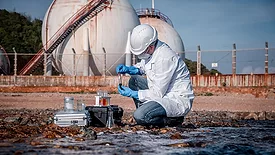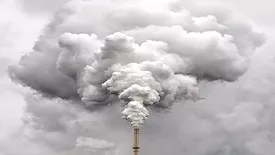
While regulations exist to minimize dangers of toxic substances in industrial plants, there are additional methods that can be incorporated to effectively reduce air pollution in these facilities.
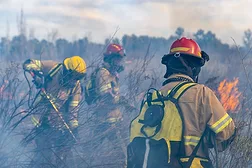
Here is a discussion of the short and long-term health risks wildfire clean-up crews face and how local and federal governments are working to make their jobs safer.
Confined spaces come in many forms — from silos and storage bins to tanks and maintenance holes. Every confined space presents hazards to those who enter and operate within them.
The U.S. Environmental Protection Agency (EPA) released its 2019 Toxics Release Inventory (TRI) National Analysis earlier this year, and companies across the nation are actively working to reduce their chemical footprint. Despite a minor increase in the Pacific Southwest Region, the overall release of TRI chemicals was down by 9 percent in 2019.
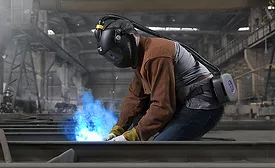
Workers in various industries can be exposed to dangerous airborne contaminants. The dangers range from nuisance level dusts to serious, life-threatening exposure, each requiring respiratory products at various levels of protection.
In 2019, 1,762,450 new cancer cases and 606,880 cancer deaths are projected to occur in the United States1. It is statistically improbable for someone in America not to know someone close who had or has cancer.
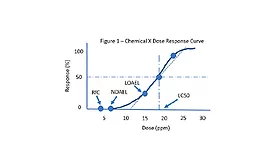
A basic understanding of the toxicological dose-response curve is a necessity for OHS pros. People fear most what they understand the least. New and vast toxicological information can trigger fear and irrational actions.
Cleaning and disinfecting products are complex mixtures of chemicals that can irritate the skin. Evidence also shows that exposure to these products may increase the risk of work-related asthma among healthcare workers. But the effects of specific chemicals remain unclear. Now, a NIOSH study published in the journal Annals of Work Exposures and Health has added to our understanding by linking products and tasks to specific exposures.
Most of the emergency responders dispatched to a serious incident involving a toxic gas exposure did not use required respirators for breathing protection, according to a NIOSH-funded investigation published in the CDC’s Morbidity and Mortality Weekly Report (MMWR).
The gas, phosphine, forms when pesticides containing aluminum phosphide mix with water.