ISHN logo
search
cart
facebook twitter linkedin youtube
  • Sign In
  • Create Account
  • Sign Out
  • My Account
ISHN logo
  • NEWS
    • Today's News
    • Global Safety News
    • Government Regulations
  • PRODUCTS
    • Product Innovations
    • Featured Products
  • TOPICS
    • Environmental Health and Safety
    • Facility Safety
    • Workplace Health
    • Occupational Safety
    • PPE
    • More Topics
  • CONSTRUCTION
  • TECHNOLOGY
  • COLUMNS
    • Best Practices
    • Dave Johnson: What’s going on
    • Editorial Comments
    • Leading Safety
  • MULTIMEDIA
    • ISHN Podcast
    • Videos
    • Cold Stress Education Quiz
    • Webinars
    • White Papers
  • MORE
    • Buyer's Guide
    • Newsletters
    • Convention Companion
    • Polls
    • Events
    • ISHN Store
    • Sponsor Insights
  • EMAGAZINE
    • eMagazine
    • Archived Issues
    • Contact
    • Advertise
  • JOIN TODAY!
Today's Safety NewsGovernment Safety RegulationsOccupational Safety

NIOSH offers free heat-stress prevention resources for employers and mine workers
the Mine Safety and Health Administration

Credit: Getty Images

June 17, 2024

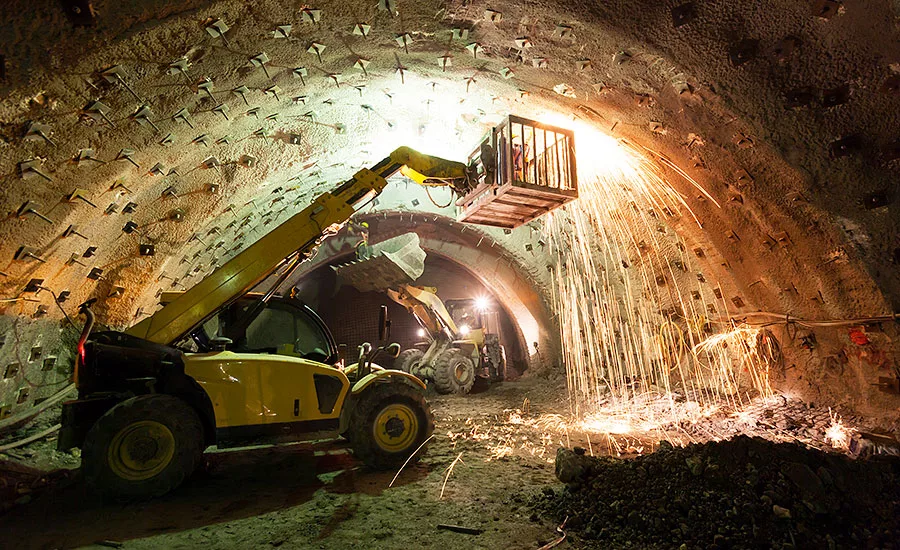
Heat stress is a real danger in mining. Without proper prevention strategies, exposure to heat can lead to several serious outcomes, such as heat exhaustion, heat stroke, and organ damage. Some research also suggests a link between heat exposure and an increased risk for worker injuries, such as slips, trips, and falls. Mine workers are experiencing an increase in dangerous health effects from heat exposure as surface temperatures get hotter and underground mines get deeper.

To help mine workers stay safe while on the job this summer, the National Institute for Occupational Safety and Health (NIOSH) offers resources for employers and workers to help tackle working in extreme heat and hot mine settings.


Who is at risk?

Any mine worker who is exposed to hot and humid conditions is at risk for a heat-related illness. Additionally, miners who are new to the job or not fully acclimatized, 65 years of age or older, are overweight, have heart disease or high blood pressure, or take certain medications are at greater risk for a heat-related illness.

“Reducing heat stress and preventing heat-related illnesses is vital for both employers and workers, especially when summer temperatures peak and exposure to hot mine environments are part of the job,” said Kristin Yeoman, M.D., medical officer in NIOSH’s Spokane Mining Research Division. “Additionally, employers should be aware that performing tasks requiring high physical effort, even under moderate environmental conditions, can increase the risk for heat-related illnesses.” 

NIOSH offers several recommendations and resources that employers and mine workers can use to help prevent heat-related illness, injury or death.


How to stay safe when working in heat

Some examples of NIOSH recommendations that employers or workers can apply in many different work settings include:

  • Limit time in the heat and/or increase recovery time in a cool environment.
  • Increase the number of workers per task.
  • Train supervisors and workers about heat stress, including symptoms of heat-related illness, first aid, and risk factors.
  • Use a buddy system where workers observe each other for signs of heat-related illness.
  • Provide adequate amounts of cool, potable water near the work area and encourage workers to drink frequently.
  • Use a heat alert program (additional written guidelines) whenever the weather service forecasts that a heat wave is likely to occur.
  • Develop a plan to get employees acclimatized to hot work conditions and to increase physical fitness.


Free resources for mine employers and workers

  • Keeping Cool: Training to Reduce Heat Stress Incidents in Mines

Keeping Cool is an online training module designed to help mine workers understand and reduce their risk factors for heat-related illness.

During this instructor-led training, learners assess a fictional crew of miners and participate in small group discussions on the crew’s risk factors and signs and symptoms of heat-related illness. Keeping Cool’s instructor’s guide allows any individual at a mine site to facilitate the training, regardless of their knowledge of heat stress. The training is applicable to any mining environment, and users can modify it to meet different training needs and time constraints.

“As we near the summer months, it’s critical that all mine workers receive training on heat,” said Yeoman. “The Keeping Cool training module is an efficient way to improve miners’ understanding of their risk factors for heat illness and how they can reduce those risks.”

  • Heat Stress: A Series of Fact Sheets for Promoting Safe Work in Hot Mining Settings

This set of heat stress fact sheets offers practical information in English and Spanish about working in hot mining conditions. These fact sheets are intended to be used together as a set, but each fact sheet can also stand alone. Topics include acclimatization, hydration, work/rest schedules, first aid for heat illness, and more.

  • Heat Stress: Understand Heat Stress Risk Factors, Prevention, and Treatment poster:

Print and hang this poster at the worksite to promote safe behaviors when working in the heat.

  • Heat Safety Tool app:

This free app for smart phones and other mobile devices features real-time heat index—a measure of how the temperature actually feels—and hourly heat index forecasts for the worker’s location.

Though employers have the responsibility of making sure their workers are safe on the job, workers at surface mines can use the Heat Safety Tool app to check the heat index and be more aware of the potential dangers of working outdoors for short or long periods of time. The app can also give precautionary recommendations specific to the heat index and includes signs and symptoms and first aid information for heat-related illness.

KEYWORDS: heat hazards heat stress mining industry NIOSH summer safety

Share This Story

Looking for a reprint of this article?
From high-res PDFs to custom plaques, order your copy today!

Recommended Content

JOIN TODAY
to unlock your recommendations.

Already have an account? Sign In

  • forklift safety

    Exploring the latest technologies in forklift safety

    With more staff and more stock in warehousing now more...
    Workplace Training Strategies
    By: Josh Cramer
  • welding

    All about welder’s flash or arc eye

    A flash burn is a painful inflammation of the cornea,...
    Environmental Health and Safety
  • dangerous jobs

    The 10 most dangerous jobs in the U.S.

    On-the-job deaths have been rising — hitting the highest...
    Occupational Safety
    By: Benita Mehta
Manage My Account
  • eMagazine Subscriptions
  • ISHN Newsletter & Other Newsletter Alerts
  • Online Registration
  • Manage My Preferences
  • Subscription Customer Service

More Videos

Sponsored Content

Sponsored Content is a special paid section where industry companies provide high quality, objective, non-commercial content around topics of interest to the ISHN audience. All Sponsored Content is supplied by the advertising company and any opinions expressed in this article are those of the author and not necessarily reflect the views of ISHN or its parent company, BNP Media. Interested in participating in our Sponsored Content section? Contact your local rep!

close
  • man wearing the the Sundström SR200 Full Face Mask Respirator
    Sponsored byOHD

    5 Fit Testing Mistakes That Could Cost You

  • This image shows Magid AcuSpex polarized blue mirrored safety glasses.
    Sponsored byMagid Glove and Safety

    Construction PPE Guide: What Crews Need for Each Task

  • lone worker in confined space
    Sponsored byAlphasense Ltd.

    GET THE LEAD OUT of your Safety Oxygen Sensors!

Popular Stories

SpaceX 7 launch

OSHA Investigating Fatal Fall at SpaceX Starbase

Automated loading dock equipment

After March 2026 Rivian Death, Safety Managers Reassess Loading Dock Systems Under OSHA's Warehouse Emphasis Program

psychology in the workplace

Most Workplaces Measure Psychological Safety, Ignoring Psychosocial Risks

top 10 most dangerous jobs

Poll

Seasonal Readiness

With the federal heat stress prevention rule on the horizon, which area of your safety program needs the most attention?
View Results Poll Archive

Products

Surviving an OSHA Audit A Management Guide, 2nd Edition

Surviving an OSHA Audit A Management Guide, 2nd Edition

See More Products

ISHN Podcasts

Related Articles

  • NIOSH offers free on-line violence prevention training for nurses

    See More
  • Help with heat stress prevention available online

    See More
  • heat stress

    Heat stress prevention recommendations

    See More

Related Products

See More Products
  • human resources.jpg

    Human Resources and Change Management for Safety Professionals

See More Products

Events

View AllSubmit An Event
  • March 4, 2015

    ACGIH® TLV® for Heat Stress and Strain in the Context of Heat Stress Management webinar

    While the Heat Stress and Strain TLV® is designed for exposure assessment, it exists in the context of an integrated heat stress management program. This webinar will outline the components of a heat stress management program to illustrate how the TLV® can be used for exposure assessment and the development of controls.
View AllSubmit An Event

Related Directories

  • Crisis Prevention Institute

    CPI equips organizations with training and resources on preventing and de-escalating difficult behavior.
×

Become a Leader in Safety Culture

Build your knowledge with ISHN, covering key safety, health and industrial hygiene news, products, and trends.

JOIN TODAY
  • RESOURCES
    • Advertise
    • Contact Us
    • Directories
    • Manufacturing Division
    • Store
    • Want More
  • SIGN UP TODAY
    • Create Account
    • eMagazine
    • Newsletters
    • Customer Service
    • Manage Preferences
  • SERVICES
    • Marketing Services
    • Reprints
    • Market Research
    • List Rental
    • Survey/Respondent Access
  • STAY CONNECTED
    • LinkedIn
    • Facebook
    • YouTube
    • X (Twitter)
  • PRIVACY
    • PRIVACY POLICY
    • TERMS & CONDITIONS
    • DO NOT SELL MY PERSONAL INFORMATION
    • PRIVACY REQUEST
    • ACCESSIBILITY

Copyright ©2026. All Rights Reserved BNP Media, Inc. and BNP Media II, LLC.

Design, CMS, Hosting & Web Development :: ePublishing