Maintaining a pristine environment: Cleanroom contamination control
Credit: Microsoft Images
Cleanrooms are controlled environments critical for various industries, from pharmaceuticals and medical devices to microelectronics and aerospace. Within these spaces, even the smallest particle of dust or a single microorganism can compromise the sterility and functionality of sensitive products. Therefore, rigorous contamination control measures are paramount. Therefore, it is vital to understand the essential cleaning procedures and proper Personal Protective Equipment (PPE) protocols for maintaining a pristine cleanroom environment.
Understanding the enemy: Sources of contamination
The first step in effective contamination control is identifying the potential culprits. Common sources of contamination lurk everywhere, from seemingly innocuous items like clothing and compressed air to more obvious offenders like exposed wood and flaking paint. Even human activities, such as shedding hair and skin particles, can contribute to contamination. Being aware of these potential hazards allows for targeted cleaning strategies.
Establishing a cleaning regimen
Maintaining a cleanroom environment requires a meticulous cleaning routine. Cleanroom-specific cleaning materials formulated to minimize particle shedding are essential. All surfaces, from floors and walls to equipment and workbenches, must be cleaned periodically based on the cleanroom classification and risk factors. Cleaning protocols often involve a multi-step process, including wiping surfaces with disinfectant solutions and allowing for a designated dwell time to ensure optimal effectiveness. Regular vacuuming of ceilings and mopping of floors further minimize particle build-up. Rotating cleaning chemicals periodically helps prevent bacteria from developing resistance.
The importance of proper PPE
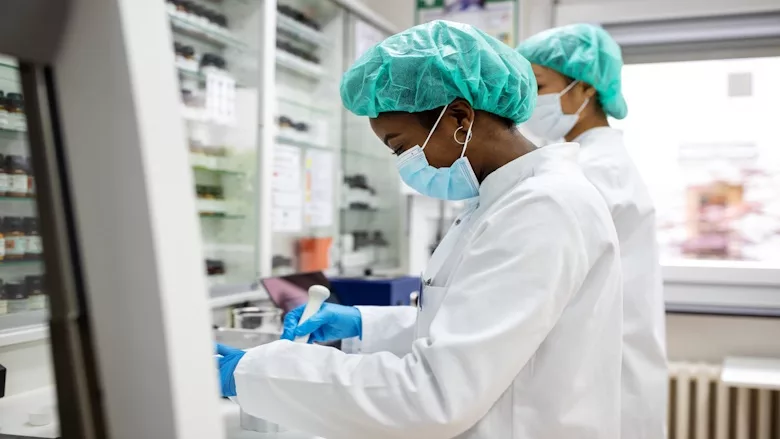
Just as crucial as cleaning procedures is the proper use of Personal Protective Equipment (PPE). The specific type of PPE will depend on the level of cleanroom classification and the potential risks involved in handling materials. However, some general principles apply. PPE serves as a barrier between personnel and the cleanroom environment, protecting both the product and the worker. Common PPE includes coveralls, gloves, booties, face masks, goggles, and hairnets. Reusable garments require proper laundering and sterilization after each use to prevent particle contamination. It's important to remember that these garments degrade over time, so regular inspection and replacement are crucial.
Beyond the basics: Contamination control tips
Maintaining a cleanroom environment extends beyond just cleaning and PPE. Here are some additional tips to minimize contamination:
Regular testing: Regularly scheduled controlled environment testing helps identify any potential breaches in the cleanroom's integrity.
Dedicated cleaning supplies: Maintaining a separate inventory of cleanroom-specific cleaning supplies helps prevent cross-contamination with other areas.
HEPA filters: Keeping High-Efficiency Particulate Air (HEPA) filtered equipment running whenever possible ensures continuous air filtration.
Minimizing contact: Limiting hand-to-surface contact reduces the risk of transferring contaminants.
Movement matters: Moving slowly within the cleanroom minimizes air turbulence that can stir up particles.
Hygiene habits: Enforcing proper hygiene practices, such as hand washing and avoiding cosmetics, goes a long way in preventing contamination.
Immediate replacement: Soiled PPE should be replaced immediately to prevent further contamination spread.
Employee training: Thorough training on cleanroom protocols and procedures empowers employees to actively participate in maintaining a sterile environment.
Statistics: The human factor in contamination
Interestingly, statistics reveal that people are the biggest contributor to cleanroom contamination, accounting for nearly half of all particle occurrences. Our hands alone harbor a staggering number of microorganisms, highlighting the importance of proper hand hygiene and PPE protocols. Additionally, human activities like shedding skin flakes and breathing can introduce contaminants into the environment. By implementing these control measures and fostering a culture of cleanroom etiquette, facilities can significantly minimize human-derived contamination.
By implementing these cleaning procedures, proper PPE protocols, and additional contamination control tips, cleanroom operators can create a pristine environment that safeguards the integrity of sensitive products and fosters a safe and productive work environment. However, maintaining a cleanroom is an ongoing process that requires constant vigilance and a commitment to best practices. To learn more, look over the guide below.

Read the PDF: Cleanroom Contamination Control: Cleaning Procedures and PPE
Looking for a reprint of this article?
From high-res PDFs to custom plaques, order your copy today!


