ISHN logo
search
cart
facebook twitter linkedin youtube
  • Sign In
  • Create Account
  • Sign Out
  • My Account
ISHN logo
  • NEWS
    • Today's News
    • Global Safety News
    • Government Regulations
  • PRODUCTS
    • Product Innovations
    • Featured Products
  • TOPICS
    • Environmental Health and Safety
    • Facility Safety
    • Workplace Health
    • Occupational Safety
    • PPE
    • More Topics
  • CONSTRUCTION
  • TECHNOLOGY
  • COLUMNS
    • Best Practices
    • Dave Johnson: What’s going on
    • Editorial Comments
    • Leading Safety
  • MULTIMEDIA
    • ISHN Podcast
    • Videos
    • Cold Stress Education Quiz
    • Webinars
    • White Papers
  • MORE
    • Buyer's Guide
    • Newsletters
    • Convention Companion
    • Polls
    • Events
    • ISHN Store
    • Sponsor Insights
  • EMAGAZINE
    • eMagazine
    • Archived Issues
    • Contact
    • Advertise
  • JOIN TODAY!
Occupational SafetySafety Technology

Integrating smart technologies to burn out fire hazards
By Jane Marsh
electrical safety

Photo credit: iantfoto / E+ / Getty Images Plus

August 29, 2024

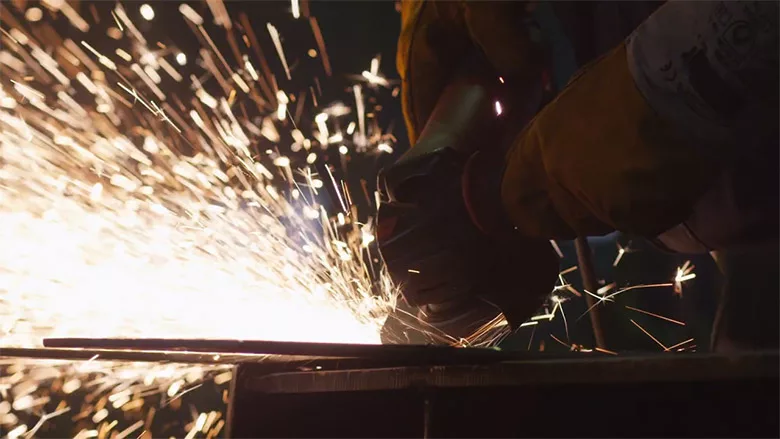
The Internet of Things (IoT) has become a mainstay in every field and the electrical industry is no exception. Energy professionals are deploying IoT for countless reasons, but it has the chance to boost safety by preventing electrical fires. Heat, burns and fires are likely to occur with all energy generators, but IoT could make these hazards one of the least common incident reports in the future.


How the IoT prevents fires

In 2022, around 1.5 million fires caused $18 billion in damage in the U.S. Energy professionals seek to upskill for the next generation of operations, which includes intimate knowledge of how a simple device and sensor could spot the chance of a fire before a person.


Real-time response

IoT devices are always collecting data, and if the equipment combines with artificial intelligence or machine learning, it becomes even more robust and knowledgeable. The analytics let operators see electrical loads, trip status and heat variances in real time to spot overloads. 


Smart circuit breakers

Many governments and energy professionals are collaborating to upgrade antiquated circuit breakers to modern, smart versions. These have off-site operational functionality with remote terminal units, allowing workers to always visualize data even if they cannot go to the site. 

Historical data logging, measuring currents, and noticing phase imbalances save technicians countless hours of manual labor. Technicians execute preventive maintenance faster if they see numbers validating suspected arc or ground faults, taking action before the issue worsens enough to cause a fire.


Environmental condition sensors

Outside conditions play a role in fire prevention despite circuit breakers or transformers being contained. IoT sensors will acknowledge temperatures and humidity and how they affect performance. If they sense smoke or gas, an automated response can contact emergency services or activate suppression systems.


Automated load-shedding

Sparks fly and fires start when electrical systems draw and manage too much power. If the controls sense potential overheating or ignition, they can shed load automatically. This capability is critical to prevent outages during peak hours when people require the most energy.


What technologies are disrupting the market

Fire prevention with IoT works alongside other system improvements, like strengthened soil. Conventional mineral oils for transformers have low flash and fire points, ranging between 155-160 degrees Celcius, compared to novel synthetics or FR3 fluids rising up to 360 degrees Celsius. Using the latter alongside sensors and AI is ideal when creating a holistic fire-prevention strategy.

IoT-infused electrical systems are more than a single sensor within a control panel. IoT-based fire prevention leverages many disruptive technologies changing the landscape of fire prevention, including:

  • Smart smoke detectors
  • Thermal imaging cameras
  • Power quality monitors
  • Automated evacuation systems
  • Shutdown mechanisms
  • Smart plugs and outlets


When real-time analytics matters

Has IoT successfully prevented electrical fires in the past, and how effective has it been? Case studies explore if energy specialists should commit to installing these tools.

One case study analyzed 265,000 U.S. homes to see if AI-infused smart home technology could prevent electrical fires. The sample contained 4,100 instances where fire hazards were possible. The technology distinguished between catastrophic fires versus ignition concerns that did not lead to arcing. The research shows electrical fires are on the rise, but IoT handled the uptick with no false positives. 

Another analysis used IoT to prevent fires and identify top concerns in educational buildings, which included:

  • 37.71% caused by excessive thermal demand
  • 22% caused by tampered electricity


Few fires related to flaming heat sources

The assets successfully communicated with cloud-based software to give people access to real-time data. The system was even capable of sending text message alerts in case of an emergency and notifying firefighters.


Only the IoT can prevent electrical fires

IoT could be the most reliable system for mitigating electrical fires in the modern energy age. It anticipates dangers better than people, keeping workers safe before the situation becomes too dire. This signals how IoT could reduce incidents across all energy systems for more than just fires, making the energy sector a secure workplace.
KEYWORDS: fire safety IoT sensors

Share This Story

Looking for a reprint of this article?
From high-res PDFs to custom plaques, order your copy today!

Jane covers topics in green technology and manufacturing. She also works as the Editor-in-Chief of Environment.co.

Recommended Content

JOIN TODAY
to unlock your recommendations.

Already have an account? Sign In

  • forklift safety

    Exploring the latest technologies in forklift safety

    With more staff and more stock in warehousing now more...
    Facility Safety
    By: Josh Cramer
  • welding

    All about welder’s flash or arc eye

    A flash burn is a painful inflammation of the cornea,...
    Environmental Health and Safety
  • dangerous jobs

    The 10 most dangerous jobs in the U.S.

    On-the-job deaths have been rising — hitting the highest...
    Government Safety Regulations
    By: Benita Mehta
Manage My Account
  • eMagazine Subscriptions
  • ISHN Newsletter & Other Newsletter Alerts
  • Online Registration
  • Manage My Preferences
  • Subscription Customer Service

More Videos

Sponsored Content

Sponsored Content is a special paid section where industry companies provide high quality, objective, non-commercial content around topics of interest to the ISHN audience. All Sponsored Content is supplied by the advertising company and any opinions expressed in this article are those of the author and not necessarily reflect the views of ISHN or its parent company, BNP Media. Interested in participating in our Sponsored Content section? Contact your local rep!

close
  • man wearing the the Sundström SR200 Full Face Mask Respirator
    Sponsored byOHD

    5 Fit Testing Mistakes That Could Cost You

  • This image shows Magid AcuSpex polarized blue mirrored safety glasses.
    Sponsored byMagid Glove and Safety

    Construction PPE Guide: What Crews Need for Each Task

  • lone worker in confined space
    Sponsored byAlphasense Ltd.

    GET THE LEAD OUT of your Safety Oxygen Sensors!

Popular Stories

SpaceX 7 launch

OSHA Investigating Fatal Fall at SpaceX Starbase

Worker Impairment

How to Tell When a Co-Worker is Impaired? A Safety Pro’s Challenge

psychology in the workplace

Most Workplaces Measure Psychological Safety, Ignoring Psychosocial Risks

top 10 most dangerous jobs

Poll

Seasonal Readiness

With the federal heat stress prevention rule on the horizon, which area of your safety program needs the most attention?
View Results Poll Archive

Products

Surviving an OSHA Audit A Management Guide, 2nd Edition

Surviving an OSHA Audit A Management Guide, 2nd Edition

See More Products

ISHN Podcasts

Related Articles

  • depression

    It’s official: Burn-out is an “occupational phenomenon”

    See More
  • Wyo OSHA witnessed fires and fire hazards prior to workers being burned

    See More
  • Meatpacking facility

    OSHA Cites Poultry Plant for Exposing workers to Fire Hazards

    See More

Related Directories

  • e-Hazard

    E-Hazard is dedicated to building an electrical safety culture with you. Our electrical engineering services and training will prepare your team for any electrical safety needs or concerns. E-Hazard can help with electrical training, arc flash studies, electrical audits, electrical safety programs, LOTO, infrared scanning, NFPA 70B, consulting and much more.
×

Become a Leader in Safety Culture

Build your knowledge with ISHN, covering key safety, health and industrial hygiene news, products, and trends.

JOIN TODAY
  • RESOURCES
    • Advertise
    • Contact Us
    • Directories
    • Manufacturing Division
    • Store
    • Want More
  • SIGN UP TODAY
    • Create Account
    • eMagazine
    • Newsletters
    • Customer Service
    • Manage Preferences
  • SERVICES
    • Marketing Services
    • Reprints
    • Market Research
    • List Rental
    • Survey/Respondent Access
  • STAY CONNECTED
    • LinkedIn
    • Facebook
    • YouTube
    • X (Twitter)
  • PRIVACY
    • PRIVACY POLICY
    • TERMS & CONDITIONS
    • DO NOT SELL MY PERSONAL INFORMATION
    • PRIVACY REQUEST
    • ACCESSIBILITY

Copyright ©2026. All Rights Reserved BNP Media, Inc. and BNP Media II, LLC.

Design, CMS, Hosting & Web Development :: ePublishing