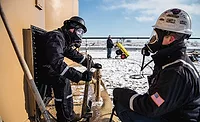
Hi-Vis Safety Considerations for Confined Spaces
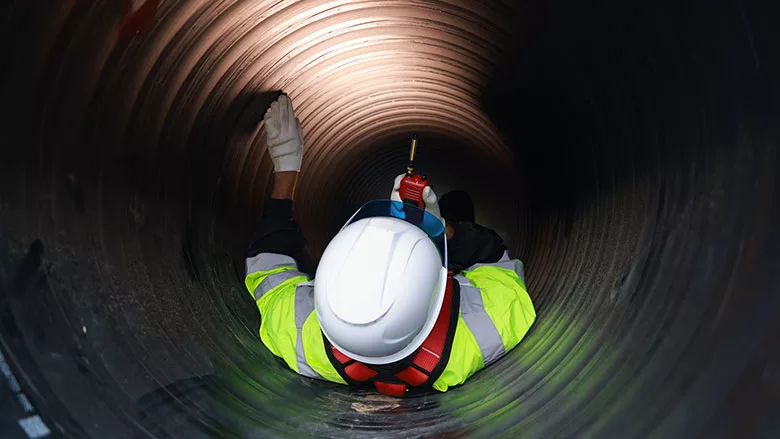
Photo: onuma Inthapong / iStock / Getty Images Plus
High-visibility (hi-vis) apparel isn’t just for roadside crews — it’s critical across any worksite where workers are near vehicles or heavy machinery, including confined space worksites. Confined space worksites often include low-light, enclosed, or hazardous environments, such as tunnels, underground worksites, sewers, manholes, storage tanks, silos, pipelines, trenches, ship hulls, cargo holds, boiler rooms, HVAC ducts, mines, quarries, utility vaults, or electrical substations, to name a few.
Whether or not hi-vis apparel is necessary is based on the specific circumstances of each individual worksite. If the confined space is near active machinery, vehicles, or construction zones, hi-vis is essential to prevent accidents. Below are key safety factors to consider when it comes to keeping workers safe and visible in confined spaces.
Low-light environments
Confined spaces are often dimly lit or completely dark, requiring specialized lighting, such as headlamps or floodlights. This type of lighting can still work in tandem with reflective hi-vis apparel. Reflective elements on hi-vis apparel help workers remain visible in low light conditions when illuminated by flashlights or other light sources. However, if confined spaces with little to no light where all work happens in complete isolation from hazards involving vehicular or moving equipment, hi-vis may not be as critical. In environments with zero light, glow in the dark or phosphorescent elements may complement or replace traditional reflective materials. While there are currently no Occupational Safety and Health Administration (OSHA) or American National Standards Institute (ANSI) regulations that mandate photoluminescent (glow-in-the-dark) markings on high-visibility safety apparel, it can provide an added layer of safety.
Fire and electrical hazards
Fire and burn hazards in confined spaces pose serious risks due to limited ventilation, restricted exits, and the potential for rapid fire spread. If a confined worksite has flammable gases, vapors or arc flash hazards, hi-vis clothing should also be flame resistant (FR) and comply with safety standards such as NFPA 2112. FR hi-vis garments are engineered to resist ignition and prevent the spread of flames. FR hi-vis fabrics fall into two main categories: inherently flame-resistant fabrics and treated flame-resistant fabrics. Inherently flame-resistant hi-vis fabrics are constructed from fibers that are naturally resistant to flames. Their chemical composition prevents combustion without the need for additional treatment. In contrast, treated flame-resistant hi-vis fabrics start as flammable materials, such as cotton, and undergo a chemical treatment to gain flame-resistant properties. The treatment process saturates the fabric with flame-retardant chemicals that react with heat to create a protective barrier, preventing ignition.
Snag risks
In confined spaces, workers wearing hi-vis apparel or other types of personal protective equipment (PPE) face serious snag hazards, where loose or protruding clothing elements can get caught on equipment, pipes, or structural features. Snagging can lead to falls, entrapment, or even strangulation if a worker’s clothing becomes caught while maneuvering in tight spaces. This risk is especially concerning in tunnels, tanks, and utility vaults, where movement is restricted and a quick exit may be crucial. To prevent snags, workers should wear streamlined hi-vis apparel designed for confined spaces, such as tear-away vests, fitted high-visibility shirts, and FR-rated garments with minimal loose fabric. Employers should also enforce hazard assessments before entry, ensuring that PPE choices align with the specific risks of the worksite. Proper training on situational awareness and emergency response further reduces the danger of snag-related incidents, helping keep workers both visible and safe in confined environments.
Temperature extremes
Keeping workers safe in confined spaces during temperature extremes requires careful selection of hi-vis apparel to ensure both comfort and protection. In hot environments, such as tunnels or boiler rooms, workers face risks of heat stress and dehydration, making lightweight, moisture-wicking, and breathable hi-vis apparel essential. ANSI-certified hi-vis shirts with cooling technology and vented designs can help regulate body temperature while maintaining visibility. In cold environments, like underground storage tanks or utility vaults in winter, workers are at risk of hypothermia and reduced dexterity, requiring insulated, high-visibility jackets, thermal base layers, and waterproof outer shells that keep them warm without restricting movement. Layering with moisture-wicking fabrics prevents sweat buildup, which can lead to chills in cold conditions. No matter the temperature, proper PPE selection, hydration, and monitoring for signs of heat exhaustion or cold stress are key to ensuring worker safety in confined spaces.
PPE integration
Workers may need to layer hi-vis clothing with other protective apparel, such as harnesses, chemical resistant suits, or thermal gear. This can affect comfort and mobility. For high-visibility apparel to be truly effective, it must integrate seamlessly with other PPE without compromising comfort, mobility, or safety. Workers in confined spaces often wear harnesses for fall protection, respirators for air quality hazards, hard hats for head protection, gloves for hand safety, and flame-resistant gear for fire risks. Hi-vis clothing must work in conjunction with these additional PPE requirements. For example, hi-vis vests should fit comfortably over harnesses without obscuring reflective striping, and moisture-wicking or FR-rated hi-vis shirts should be lightweight enough to be worn under protective coveralls without causing overheating. Properly designed hi-vis apparel ensures that workers remain both highly visible and fully protected, reducing the risk of injury while maintaining compliance with safety regulations.
Hi-vis safety apparel may or may not be necessary in confined spaces, depending on the specific hazards and requirements. However, it often provides critical value for visibility during transitions, team operations, and emergencies. Safety protocol should be based on a hazard assessment tailored to the confined space and surrounding environment, ensuring that any PPE use aligns with the conditions and risks present.
Looking for a reprint of this article?
From high-res PDFs to custom plaques, order your copy today!