Mine Safety Benefits From AI Technology
Tame Heavy Equipment Truck Blind Spots with AI Collision Avoidance
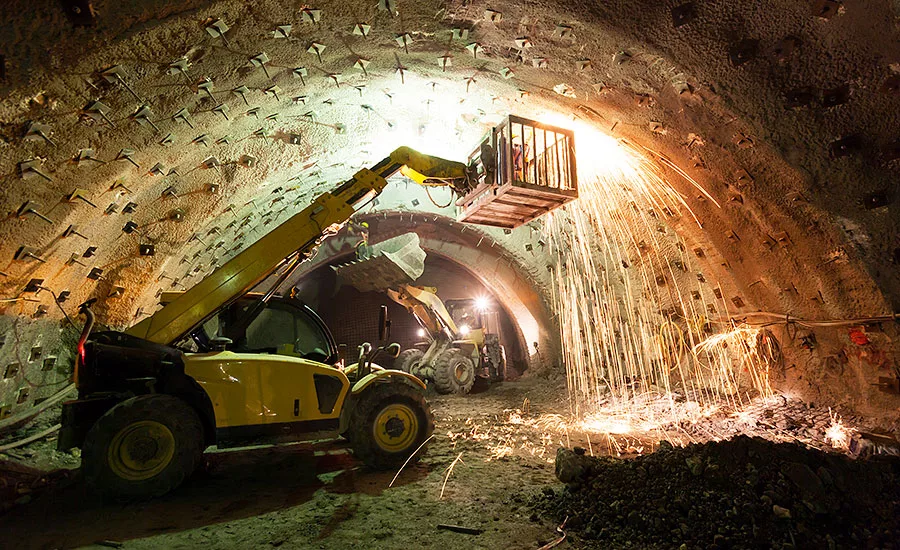
Credit: Getty Images
Mining is a dangerous industry, but it does not have to be as risky as it often is. Innovations in Internet of Things (IoT) and artificial intelligence (AI) technology provide ways to make mines safer than ever before. AI collision avoidance deserves particular attention.
The Importance of Collision Avoidance in Mining
While hazards like inhalation risks and repetitive motion may be more obvious, collision avoidance is essential to mining safety. Machinery accounts for 40% of all mining deaths — more than any other incident type. Equipment-related accidents are also a leading cause of nonfatal injuries.
Mining’s mix of large equipment, tight quarters and limited visibility makes collisions a prominent threat. Vehicle operators may not see other employees before it is too late, and workers on foot may not see or hear machinery coming. Fatigue and stress may exacerbate these hazards, as they make distracted miners less aware of their surroundings.
Historically, collision avoidance in mining has relied on manual steps and workflow adjustments. Drivers and pedestrian workers should observe their surroundings and communicate hazards, and mines should provide adequate space and lighting to enable safer movement. Such practices are beneficial but too prone to error, and on-site conditions may limit their usefulness.
How Does AI Collision Avoidance Work?
AI collision avoidance offers a better way forward. The combination of IoT sensors and AI algorithms to monitor their data can reduce equipment-related injuries through both immediate and long-term optimizations.
Real-Time Alerts
Federal regulations require mines to use proximity sensors, but conventional systems are imperfect. They typically use lasers, LiDAR, GPS, or connections to wearable tags to alert operators when machines get within a certain distance of employees or other equipment. While this is better than an entirely manual solution, these technologies have their own blind spots.
GPS signals can get weak underground, lasers and LiDAR are prone to interference, and inter-device communications can introduce lag. AI-enabled systems are more reliable because they combine inputs from multiple sensors. Instead of taking one reading at face value, AI models compare all inputs to contextualize data, remaining accurate even when one sensor may fail.
Over time, AI models also grow more accurate, leading to more reliable detection and alerts. In addition to preventing collisions, these algorithms reduce false positives, helping workers take real-time warnings more seriously.
Ongoing Optimization
AI collision avoidance also unlocks broader, longer-term changes. Every time one of these systems detects an obstacle, it creates hard data on the situation. Over time, there will be enough information for machine learning models to identify trends across mining workflows.
Some mines may experience more run-ins in one area of the site — others may have issues with one type of equipment more than others. Whatever the specifics, AI can identify these trends to pinpoint areas where collision avoidance in mining operations can improve through adjustments like workflow changes or maintenance.
These insights become all the more valuable as mining embraces automation. As much as 80% of the vehicle fleet at some mines is now automated, and driverless equipment requires vast amounts of real-world data to navigate safely. Switching to AI collision prevention today can give organizations the data they need to implement such upgrades in the future.
Best Practices for Implementing AI Collision Avoidance
As impressive as AI is, mining leaders must remember that any technology is only as effective as its users’ ability to implement it. Consequently, operations must follow several best practices when using AI to close heavy equipment blind spots.
Avoid Over-Reliance on AI
Ensuring employees do not rely too heavily on AI is the most crucial step. While this technology is generally reliable, it can still produce errors, so operators and miners must avoid becoming complacent. Attention to one’s surroundings is still vital.
Steps outside of AI to prevent collisions have other important benefits, too. The same low light that limits visibility can cause eye strain and vision problems, so proper lighting — including headlights for all employees — is necessary. Beeps to alert them to nearby machinery and emergency braking functions are also ideal.
Choose Solutions Carefully
Mining organizations should also scrutinize their options when selecting an AI collision avoidance system. The best solutions will support a wider range of sensor inputs, are easy to implement and have a proven track record in the field.
Cybersecurity is another prominent concern. AI requires considerable data, and IoT devices may make once-offline equipment vulnerable to attacks. Consequently, mines should only partner with technology suppliers offering extensive built-in protections, user training and 24/7 support.
Inspect Equipment Regularly
Like all technologies, AI systems require proactive upkeep to remain effective. While the algorithms themselves may not need any ongoing fixes, teams should regularly calibrate sensor arrays and ensure any communication features and machine interfaces work correctly.
Different IoT and AI solutions can be useful here. Predictive maintenance — which uses these technologies to inform better repair schedules — prevents up to 75% of breakdowns, ensuring tools remain in optimal condition and crews avoid incidents from dangerous malfunctions.
Emphasize Worker Training
Thorough training is likewise critical. The common claim that 80% of industrial accidents stem from human error may have murky origins, but mistakes are still a common and preventable cause of injuries. Integrating new technology also requires workforce adaptation.
Mines should emphasize how new collision avoidance systems do not eliminate the need for double-checking blind spots and other safety protocols. Anyone using heavy equipment should also learn how these solutions work and where they might fail. This knowledge will inform safer usage.
Monitor and Adapt
Finally, mining operations must record the impact of their new safety tools and adjust workflows as necessary. Few technology rollouts are ever perfect at the start, and maximum results require small improvements over time.
Safety managers should measure relevant performance indicators before and after implementing an AI solution to quantify their impact. Regularly reviewing this data can reveal where technologies or processes must adapt to overcome persistent issues.
Heavy Equipment Blind Spots Are Smaller With AI
Collision avoidance in mining has significant room to improve. Thankfully, new technologies provide the way forward. AI may not be a complete solution by itself, but properly using it can yield considerable results. When mining safety leaders understand this potential, they can compare AI systems to determine how their specific operations can benefit, which may prove vital to worker well-being.
Looking for a reprint of this article?
From high-res PDFs to custom plaques, order your copy today!