ISHN logo
search
cart
facebook twitter linkedin youtube
  • Sign In
  • Create Account
  • Sign Out
  • My Account
ISHN logo
  • NEWS
    • Today's News
    • Global Safety News
    • Government Regulations
  • PRODUCTS
    • Product Innovations
    • Featured Products
  • TOPICS
    • Environmental Health and Safety
    • Facility Safety
    • Workplace Health
    • Occupational Safety
    • PPE
    • More Topics
  • CONSTRUCTION
  • TECHNOLOGY
  • COLUMNS
    • Best Practices
    • Dave Johnson: What’s going on
    • Editorial Comments
    • Leading Safety
  • MULTIMEDIA
    • ISHN Podcast
    • Videos
    • Cold Stress Education Quiz
    • Webinars
    • White Papers
  • MORE
    • Buyer's Guide
    • Newsletters
    • Convention Companion
    • Polls
    • Events
    • ISHN Store
    • Sponsor Insights
  • EMAGAZINE
    • eMagazine
    • Archived Issues
    • Contact
    • Advertise
  • JOIN TODAY!
Today's Safety NewsWorkplace Safety Culture

ASSP Safety: No One is Perfect

By Dave Johnson
workplace culture

Image credit: thebigland88 / iStock / Getty Images Plus

July 29, 2025

Orlando — Do you know who Todd Conklin is? At the annual conference of the American Society of Safety Professionals he might just be the most quoted safety authority. ISHN attended numerous sessions that included a slide with a Conklin quote.

Along with Sydney Dekker, Conklin is probably the most popular proponent of “Safety Differently” or Safety 2.0. He’s the author of numerous books, including “Workers are the solution, not the problem,” co-written by Jennifer Long.

A principle that Conklin has pounded home for years is “mistakes are normal” and “blame poor conditions, not human error.” In fact, this is the first principle of Human and Organizational Performance (HOP) — errors are an inherent part of human behavior and even the most skilled individuals can make mistakes.

Conklin fiercely opposes placing blame on individuals. Instead, he advocates organizations recognize and accept that errors are inevitable and build systems that account for human fallibility.

Blame fixes nothing, he asserts. Blame after an incident does not address the underlying causes and prevents learning and improvement. Organizations need to understand the full context and systemic factors that contribute to incidents to prevent future occurrences.

As one speaker at the conference said, blame treats the symptoms, not the causes. Error is real and normal. Build work systems with the understanding that complex work, environmental and situational factors contribute to errors and those systems will be error-tolerant and allow workers to fail safely.

The blame game has permeated safety for 100 years, especially in small workplaces without full-time safety staff or resources. Large companies have been adopting HOP principles for years now. The challenge is reach the vast breadth of workplaces where Todd Conklin, Safety Differently and HOP are complete unknowns.

KEYWORDS: ASSP

Share This Story

Looking for a reprint of this article?
From high-res PDFs to custom plaques, order your copy today!

Djohnson new pic 7.10.22

Dave Johnson was chief editor of ISHN from 1980 until early 2020. He uses his decades of expertise to write on hot topics and current events in the world of safety. He also writes and edits at Dave Johnson’s Writing Shop LLC and is editor-at-large for ISHN. Find him at https://www.facebook.com/Dave-Johnsons-Writing-Shop-101316571547263/, and on LinkedIn at https://www.linkedin.com/in/daveljohnsoneditor/.

Recommended Content

JOIN TODAY
to unlock your recommendations.

Already have an account? Sign In

  • forklift safety

    Exploring the latest technologies in forklift safety

    With more staff and more stock in warehousing now more...
    Workplace Training Strategies
    By: Josh Cramer
  • welding

    All about welder’s flash or arc eye

    A flash burn is a painful inflammation of the cornea,...
    Environmental Health and Safety
  • dangerous jobs

    The 10 most dangerous jobs in the U.S.

    On-the-job deaths have been rising — hitting the highest...
    Government Safety Regulations
    By: Benita Mehta
Manage My Account
  • eMagazine Subscriptions
  • ISHN Newsletter & Other Newsletter Alerts
  • Online Registration
  • Manage My Preferences
  • Subscription Customer Service

More Videos

Sponsored Content

Sponsored Content is a special paid section where industry companies provide high quality, objective, non-commercial content around topics of interest to the ISHN audience. All Sponsored Content is supplied by the advertising company and any opinions expressed in this article are those of the author and not necessarily reflect the views of ISHN or its parent company, BNP Media. Interested in participating in our Sponsored Content section? Contact your local rep!

close
  • man wearing the the Sundström SR200 Full Face Mask Respirator
    Sponsored byOHD

    5 Fit Testing Mistakes That Could Cost You

  • This image shows Magid AcuSpex polarized blue mirrored safety glasses.
    Sponsored byMagid Glove and Safety

    Construction PPE Guide: What Crews Need for Each Task

  • lone worker in confined space
    Sponsored byAlphasense Ltd.

    GET THE LEAD OUT of your Safety Oxygen Sensors!

Popular Stories

SpaceX 7 launch

OSHA Investigating Fatal Fall at SpaceX Starbase

Automated loading dock equipment

After March 2026 Rivian Death, Safety Managers Reassess Loading Dock Systems Under OSHA's Warehouse Emphasis Program

psychology in the workplace

Most Workplaces Measure Psychological Safety, Ignoring Psychosocial Risks

top 10 most dangerous jobs

Poll

Seasonal Readiness

With the federal heat stress prevention rule on the horizon, which area of your safety program needs the most attention?
View Results Poll Archive

Products

Surviving an OSHA Audit A Management Guide, 2nd Edition

Surviving an OSHA Audit A Management Guide, 2nd Edition

See More Products

ISHN Podcasts

Related Articles

  • When no one is looking

    See More
  • When no one is looking . . .

    See More
  • MANAGING BEST PRACTICES: No one is bullet-proof from stress

    See More

Related Products

See More Products
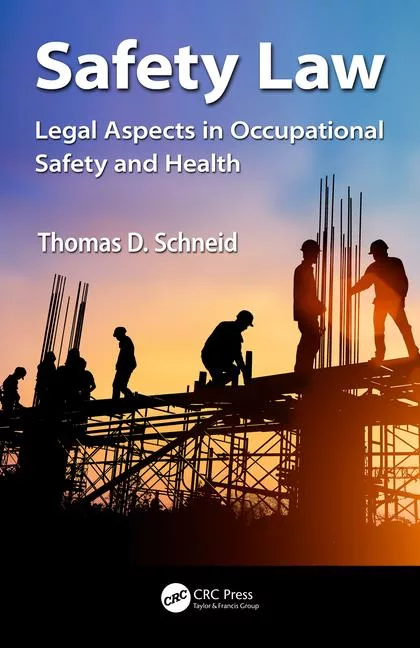
  • safety law.jpg

    Safety Law: Legal Aspects in Occupational Safety and Health

See More Products

Related Directories

  • American Society of Safety Professionals (ASSP)

    The American Society of Safety Professionals (ASSP) is a global association of occupational safety and health professionals who are dedicated to workplace safety. We provide education, safety standards, advocacy and a professional community that supports our diverse members and the profession.
×

Become a Leader in Safety Culture

Build your knowledge with ISHN, covering key safety, health and industrial hygiene news, products, and trends.

JOIN TODAY
  • RESOURCES
    • Advertise
    • Contact Us
    • Directories
    • Manufacturing Division
    • Store
    • Want More
  • SIGN UP TODAY
    • Create Account
    • eMagazine
    • Newsletters
    • Customer Service
    • Manage Preferences
  • SERVICES
    • Marketing Services
    • Reprints
    • Market Research
    • List Rental
    • Survey/Respondent Access
  • STAY CONNECTED
    • LinkedIn
    • Facebook
    • YouTube
    • X (Twitter)
  • PRIVACY
    • PRIVACY POLICY
    • TERMS & CONDITIONS
    • DO NOT SELL MY PERSONAL INFORMATION
    • PRIVACY REQUEST
    • ACCESSIBILITY

Copyright ©2026. All Rights Reserved BNP Media, Inc. and BNP Media II, LLC.

Design, CMS, Hosting & Web Development :: ePublishing