How to Improve Industrial Indoor Air Quality in Industrial Facilities
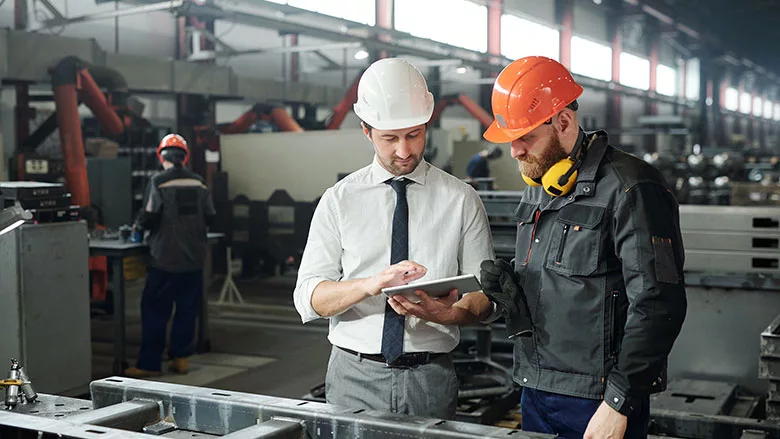
Photo credit: shironosov / iStock / Getty Images Plus
Combustion byproducts, solvents and pesticides, deteriorating building materials — these are just a few types of contaminants that may be present in industrial facilities. Indoor air pollutants can slowly build up, putting employees at greater risk of exposure. In fact, the U.S. Environmental Protection Agency (EPA) warns that reported health problems have increased in large buildings and offices due to problems with indoor air quality (IAQ).
How can industrial leaders meet this issue head-on and provide a working environment with healthier and cleaner air? The specific measures to take for better air quality depend on facility type and other factors, with each facility having its own unique needs. But the following guide on boosting IAQ in industrial settings can help building owners understand the kinds of actions to take to ensure occupational safety.
What Are Common Indoor Air Contaminants?
The exact pollutants in a building vary. Some facilities may have higher amounts of hazardous gases, such as carbon dioxide or radon. Others might have problems with dust mites or mold. Some of the more common types of contaminants in industrial settings include:
- Volatile organic compounds (VOCs) from solvents and other sources
- Synthetic fibers, coal dust, and other non-biological particles
- Gases, such as radon (mining) or carbon monoxide (vehicle exhaust)
- Combustion byproducts, such as carbon dioxide
- Bacteria, mold, fungi, and other microbial contaminants
- Dust mites in fibers and fabrics
What Are Potential Risks of Poor Industrial IAQ?
The dangers of poor air quality go beyond health-related issues, potentially resulting in productivity decreases, declining customer satisfaction, and fines or citations for noncompliance with regulations. Here’s a closer look at different types of risks facilities may face.
Employee-Related Risks
- Employee health problems, such as headaches, respiratory conditions, and cognitive issues
- Higher absenteeism due to frequent or ongoing health problems from poor IAQ
- Decreased productivity from missed days and/or health issues on the job
- Increased downtime and higher risks of damage to systems and equipment due to physical or cognitive health issues
Customer-Related Risks
- Increased risk of contaminated products making their way to customers
- Delayed deliveries and/or other problems with product fulfillment
- Lower customer satisfaction overall
Financial Risks
- Penalties from regulatory noncompliance with OSHA and the EPA
- Revenue loss tied to productivity loss, customer dissatisfaction, etc.
- Lawsuits, if there is product contamination or workmen’s compensation claims
- Higher energy costs due to poor airflow and ventilation
How Can Industrial Facilities Improve IAQ?
Healthier air for employees starts with the following steps.
- Check Air Quality: Is equipment for air pollutants working as it should? Routinely measuring IAQ helps determine whether these solutions are successful or require some changes based on agency standards and regulations, such as ASHRAE and EPA.
- Which tests should facilities use? Several testing methods are available, depending on contaminant type, such as specialized radon monitors or photoionization detectors for VOCs. A cement manufacturer might need to test for sulfur dioxide and cement dust, for example, while waste incinerators may need to check for unstable gases — it all depends on the industry/facility type.
- Maintain All Devices and Equipment: Newly installed systems may offer good IAQ improvements at first. But as with any type of equipment, they’re going to need maintenance to keep functioning. That means checking and maintaining every piece of equipment used for air pollution control.
- Install the Right Equipment: Opening windows for fresh air may not be possible in many industrial settings. And HVAC equipment might not provide an adequate way to keep air filtered and clean. Facilities can benefit from investing in equipment that’s specially designed to handle industrial air quality challenges, such as:
- High-efficiency dust collectors
- Abatement devices for VOCs and other air contaminants
- Custom backdraft vents or other industrial dampers
- Ventilation systems for better air circulation
- Proper filter media or air filters for each system or piece of equipment
Boosting IAQ for Better Operational Efficiency and Workplace Safety
From oil refineries and biomass plants to glass manufacturers and paper mills, air quality is a common challenge across different industries. The good news is that it’s led to advanced pollution control systems and monitoring methods.
These solutions allow building owners to take charge of IAQ and avoid potential issues that are on the rise — like “sick building syndrome.” Instead, facilities can focus on maintaining productivity and raising employee morale, while also increasing customer satisfaction.
Resources
https://drive.google.com/file/d/1j9xelqEycbSXl74g6rAR2VkF4X1FqQ2y/view?usp=sharing
https://www.kelairdampers.com/blog/industrial-indoor-air-quality
https://www.epa.gov/indoor-air-quality-iaq/indoor-air-quality-offices-and-other-large-buildings
https://www.ashrae.org/file%20library/technical%20resources/ieq%20resources/iaq_ieq_resources.pdf
https://www.epa.gov/report-environment/indoor-air-quality
Looking for a reprint of this article?
From high-res PDFs to custom plaques, order your copy today!