Ergonomic Assist Devices Can Support an Aging Industrial Workforce
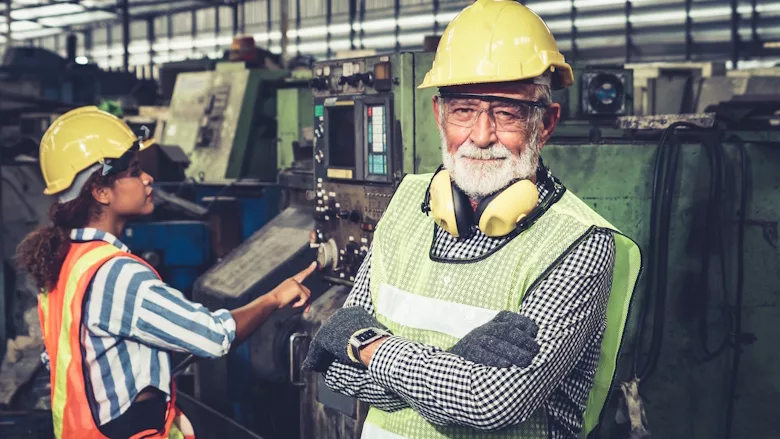
Across manufacturing plants, warehouses and distribution centers, the workforce is continually evolving. One of the most critical shifts involves age. Many experienced employees now remain on the job longer, bringing valuable skills, institutional knowledge and leadership to daily operations. At the same time, physical demands that once felt manageable can become more challenging with age.
For facility managers and manufacturers, this trend creates both responsibility and opportunity. By investing in ergonomic assist devices, organizations can help employees stay productive, comfortable and safe while protecting operational performance.
The Aging Industrial Workforce
An aging workforce refers to employees who continue working into their late 40s, 50s, 60s and beyond. Age-related changes often include reduced muscle strength, slower recovery time, decreased joint flexibility and increased sensitivity to repetitive stress. These changes represent natural aspects of aging rather than limitations.
Industrial environments frequently involve lifting, pushing, pulling, overhead reaching and prolonged standing. When these demands remain unchanged over time, cumulative strain can build. Ergonomic strategies focus on fitting the job to the worker rather than expecting the worker to adapt endlessly to the job.
For facility leaders, the goal is to foster longevity, consistency and confidence in the workplace. Ergonomic assist devices offer a practical way to align physical job demands with the capabilities of a diverse age range.
What Are Ergonomic Assist Devices?
Ergonomic assist devices include tools, equipment and systems designed to reduce physical strain during work tasks. These devices support posture, movement and force control, allowing employees to perform tasks with less stress on muscles and joints. Common categories include:
- Mechanical lifting aids such as hoists, lift tables and vacuum lifters.
- Powered and manual material handling devices, including conveyors and carts.
- Wearable technologies such as industrial exoskeletons.
- Adjustable workstations that support neutral postures.
- Tool balancers and torque-assist tools that reduce hand and arm fatigue.
- Each solution addresses specific ergonomic risk factors while maintaining productivity.
Why Ergonomic Assist Devices Matter More with Age
Ergonomic assist devices offer benefits for employees of all ages. For older workers, these benefits become especially meaningful due to cumulative exposure to physical demands.
Improved Endurance and Consistency
Fatigue often builds up more quickly when physical effort remains high throughout a shift. Assist devices help employees maintain steady output over extended work periods. This consistency supports quality, throughput and morale.
Reduced Musculoskeletal Stress
Musculoskeletal disorders refer to injuries or disorders affecting muscles, tendons, ligaments, nerves and joints. Over time, repeated physical demands can place cumulative stress on the body. Assist devices reduce peak forces during lifting, reaching and carrying, which supports long-term joint health.
Preservation of Experience and Skill
Older workers often serve as mentors, troubleshooters and quality leaders. When physical strain decreases, these employees can focus on decision-making, training and oversight rather than managing discomfort.
Lower Injury Risk and Recovery Time
Ergonomic assist devices reduce strain and support safer movement, especially for aging workers. For instance, a Massachusetts construction firm reduced its total recordable incident rate by 25% through the implementation of technology and safety measures.
Key Types of Ergonomic Assist Devices for Industrial Settings
Industrial environments place a wide range of physical demands on employees, from lifting and positioning materials to performing repetitive or overhead tasks. Ergonomic assist devices address these challenges by reducing physical effort and supporting more natural movement throughout the workday.
Understanding the primary types of available solutions helps facility managers and manufacturers select equipment that aligns with specific tasks, workforce needs and operational goals.
Mechanical Lifting and Handling Equipment
Mechanical lifting aids form the foundation of ergonomic material handling. Lift tables, jib cranes, vacuum lifters and powered hoists allow employees to raise, lower and position loads without excessive bending or force.
Overhead cranes and gantry hoists, for example, maintain a steady flow of materials while reducing manual lifting, and their adjustable heights and spans allow loads to be moved safely and precisely. For older workers, these devices reduce stress on the back, knees and shoulders while supporting consistent productivity.
Adjustable Workstations and Fixtures
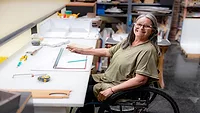
Adjustable-height workstations enable tasks to be performed at optimal working heights. When surfaces adjust to the employee rather than the other way around, neutral postures become easier to maintain.
In manufacturing and assembly environments, adjustable fixtures reduce overhead reaching and forward bending. These improvements support shoulder mobility and spinal alignment, benefiting workers across all age ranges.
Tool Support and Force-Reduction Systems
Hand tools that vibrate, weigh heavily or require high torque contribute to fatigue and strain. Tool balancers, torque-assist systems and low-vibration designs reduce the physical effort needed to complete repetitive tasks.
For aging hands and wrists, these tools support grip endurance and fine motor control while maintaining production standards.
Industrial Exoskeletons
Industrial exoskeletons represent an emerging ergonomic solution gaining attention in recent occupational health research. These wearable devices support the back, shoulders or legs during activities such as lifting, overhead work and prolonged standing.
Recent studies highlighted in occupational safety publications show promising results in reducing muscle activation and perceived exertion. Exoskeletons work best when carefully matched to tasks and employee preferences. When implemented thoughtfully, they provide additional support without limiting movement.
Ergonomic Assist Devices and Productivity
A common concern among facility managers involves the relationship between ergonomics and productivity. Ergonomic assist devices support productivity rather than slow it down.
When tasks require less physical effort, employees maintain accuracy and pace over longer periods. Reduced fatigue supports fewer errors, smoother handoffs and more predictable output. Assist devices also help standardize work methods, which improves training and quality control.
Implementing Ergonomic Assist Devices Successfully
Introducing ergonomic assist devices requires thoughtful planning, collaboration and attention to how work actually happens on the floor. Successful implementation focuses on selecting solutions that align with job demands, support employee comfort and integrate smoothly into daily operations.
Effective ergonomics begins with understanding the work. Task analysis involves observing job activities, identifying high-force or repetitive motions, and noting postures that place stress on the body. Engaging employees during this process provides useful insights. Workers often identify challenges and improvement ideas quickly when invited to participate.
Assist devices deliver the greatest value when aligned with actual job demands. For example, vacuum lifters are well-suited for repetitive box handling, while lift tables support pallet work. Exoskeletons are intended for tasks that involve overhead reach or static holding. Selecting equipment that integrates smoothly into existing workflows supports adoption and consistent use.
Training ensures employees feel confident using new equipment. Hands-on demonstrations, adjustment guidance, and feedback sessions promote comfort and trust. Older workers often appreciate training that emphasizes ease of use and personal adjustment rather than speed alone. This approach reinforces respect and inclusion.
Ergonomic programs evolve, so monitoring usage patterns, employee feedback and performance metrics allows continuous improvement. Adjustments based on real-world experience strengthen long-term outcomes. Regular reviews help ensure solutions remain effective as tasks and workforce needs change.
Cultural Benefits of Ergonomic Investment
Ergonomic assist devices influence more than physical comfort — they shape how employees experience their work environment. When organizations provide adjustable tools, supportive equipment, and opportunities to adjust posture or movement throughout the day, they signal that employee well-being is a priority. This approach resonates strongly with experienced workers who value environments designed around real human needs.
Ergonomic investment encourages movement, flexibility and self-awareness during the workday. Employees gain the ability to adjust workstations, tools, or positions to stay comfortable and focused, which supports sustained attention and reduces fatigue. As workers feel better physically, concentration and confidence often improve as well.
A culture that prioritizes ergonomics also supports knowledge retention and collaboration. Experienced employees remain engaged longer, while newer workers adopt safer work habits early in their careers. Over time, this shared focus on adjustability, comfort and usability strengthens safety culture, improves communication and contributes to higher morale across the facility.
Cost Considerations and Return on Investment
Ergonomic assist devices involve up-front investment. Over time, these costs are offset by measurable benefits, including reduced injury claims, fewer lost workdays and improved employee retention. When evaluating cost, facility managers benefit from viewing ergonomic devices as long-term operational assets rather than short-term expenses.
Designing Industrial Work That Supports Workers at Every Age
As workforce demographics continue to shift, ergonomic assist devices have become an essential part of long-term workforce strategy. By reducing physical strain and supporting natural movement, these solutions help experienced employees remain productive, confident and engaged. Mechanical lifting aids, adjustable workstations and emerging technologies, such as industrial exoskeletons, allow organizations to align job demands with human capabilities.
Investing in ergonomics strengthens resilience, supports knowledge retention and promotes sustainable operations. When work environments are designed to accommodate workers at every age, organizations create safer, more inclusive workplaces where performance and experience grow together.
Looking for a reprint of this article?
From high-res PDFs to custom plaques, order your copy today!