The Hidden Hazards of Tank Batteries
How to detect and prevent gas exposure before it turns deadly
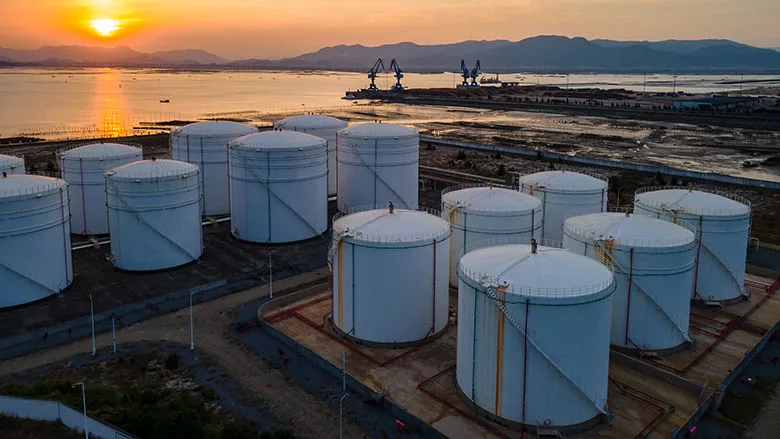
In oil and gas fields across the Permian Basin, Uinta Basin, and other production regions, tank batteries are part of daily operations. Workers gauge tanks, pull samples, inspect equipment, and perform maintenance around sites that can appear stable and routine from the outside.
But tank batteries can become dangerous in seconds.
Hydrogen sulfide (H2S), volatile organic compounds (VOCs), methane, and oxygen-deficient atmospheres can accumulate around thief hatches, vents, separators, and enclosed areas without warning. Many of these gases are invisible, and some can overwhelm a worker’s sense of smell before symptoms appear.
For oil and gas crews, the greatest danger often comes during routine tasks performed in environments where gas conditions can change rapidly.
Why Tank Batteries Create High-Risk Environments
Tank batteries collect, separate, and store produced fluids and gases from oil wells. Even properly maintained sites can release hazardous gases during venting events, pressure changes, maintenance work, or equipment malfunctions.
Workers face elevated exposure risks during tasks such as:
- Opening thief hatches for gauging or sampling
- Inspecting vents and pressure relief systems
- Performing maintenance on valves or piping
- Working around produced water tanks
- Responding to leaks or abnormal pressure events
One of the biggest challenges is that hazardous atmospheres are not always obvious. H2S may initially smell like rotten eggs, but high concentrations can quickly deaden the sense of smell. Methane and other combustible gases may build without visible warning signs, while VOC exposure can cause dizziness, confusion, and respiratory irritation before workers recognize the hazard.
In some incidents, workers collapse before they can call for help.
Common Gas Hazards Around Tank Batteries
Hydrogen Sulfide (H2S)
H2S remains one of the most dangerous gases in upstream oil and gas operations. Commonly found in crude oil production environments, it can accumulate around tanks and production equipment.
Exposure symptoms may begin with headaches, coughing, or dizziness. At higher concentrations, H2S can cause rapid unconsciousness and respiratory failure. Because workers can lose their ability to smell the gas after exposure begins, relying on human senses creates a dangerous false sense of security.
Volatile Organic Compounds (VOCs)
Tank batteries can release VOCs such as benzene and toluene during venting, gauging, and fluid transfer operations.
Short-term exposure may cause headaches, nausea, and confusion, while long-term exposure to certain VOCs has been linked to serious health effects. Workers opening thief hatches or gauging tanks manually may face especially high exposure risks when vapors escape from pressurized tanks.
Methane and Combustible Gases
Methane is not highly toxic, but it presents major fire and explosion hazards.
When combustible gases accumulate near ignition sources, vapor clouds can ignite from static electricity, engines, electrical equipment, or hot work activities. Monitoring lower explosive limit (LEL) levels is critical around production tanks and enclosed areas.
Oxygen Deficiency
Gas releases can displace oxygen in confined or poorly ventilated spaces near tank batteries.
Even modest reductions in oxygen levels can impair judgment and coordination. In severe cases, oxygen-deficient atmospheres can cause unconsciousness within minutes.
Why Routine Tasks Become Deadly
Many serious gas exposure incidents happen during ordinary job tasks.
A worker climbs a tank to gauge fluid levels. A technician checks a valve during a pressure upset. A crew member opens a hatch expecting a routine reading.
Because these tasks happen every day, familiarity can create complacency. Workers may assume conditions are safe because the site appeared stable earlier in the shift.
But atmospheric conditions can shift quickly due to temperature changes, pressure buildup, equipment failures, venting events, or vapor accumulation in low-lying areas.
Without continuous monitoring, workers may not recognize dangerous conditions until symptoms begin. By then, it may already be too late.
The Role of Real-Time Gas Detection
One of the biggest challenges is that hazardous atmospheres are not always obvious. H2S may initially smell like rotten eggs, but high concentrations can quickly deaden the sense of smell.
Real-time gas detection gives workers immediate awareness of atmospheric hazards that cannot be seen or reliably smelled.
Modern gas monitors continuously track conditions and alert workers when dangerous gas levels develop. Portable multi-gas monitors are commonly used to detect hydrogen sulfide (H2S), oxygen levels,combustible gases (LEL), carbon monoxide (CO), and VOCs in some applications.
When hazardous conditions are detected, monitors provide audible, visual, and vibration alarms that alert workers immediately, even in noisy field environments.
Continuous monitoring is especially important during tank gauging, maintenance work, confined space entry, flowback operations, and emergency response activities.
The advantage is simple: gas detection systems identify changing conditions before workers experience physical symptoms.
Connected Safety Technologies Improve Awareness
Many operators are also adopting connected safety technologies that improve visibility across remote job sites.
Connected gas detection systems can transmit readings and alarms to supervisors or control rooms in real time. In large oil fields where crews work across isolated locations, these systems can help safety teams monitor lone workers, improve emergency response coordination, and identify recurring hazard areas.
For remote operations common in regions like the Permian Basin, faster visibility into dangerous conditions can improve response times during emergencies.
Building a Stronger Safety Program
Technology alone cannot eliminate atmospheric hazards. Effective prevention requires strong safety practices supported by training and preparation.
Tank battery safety programs should include:
- Hazard assessments before work begins
- Continuous gas monitoring during active tasks
- Worker training on exposure symptoms and alarm response procedures
- Regular bump testing and calibration of gas monitors
- Clear emergency response and evacuation plans
Workers should also understand the limitations of relying on smell to identify dangerous gases, particularly in environments where H2S may be present.
Invisible Hazards Require Visible Awareness
Tank batteries remain one of the most hazardous environments in oil and gas operations because the risks are often invisible until it is too late.
Workers cannot rely on instinct or past experience to identify changing atmospheric conditions around production tanks.
Real-time gas detection and connected safety technologies provide something workers cannot get from experience alone: immediate awareness of invisible hazards before exposure turns deadly.
For oil and gas safety leaders, the goal is not simply compliance. It is making sure workers performing routine tasks at tank batteries return home safely at the end of every shift.
Looking for a reprint of this article?
From high-res PDFs to custom plaques, order your copy today!