Commercial Door Safety Inspection Habits to Help Prevent Struck-By and Crush Injuries
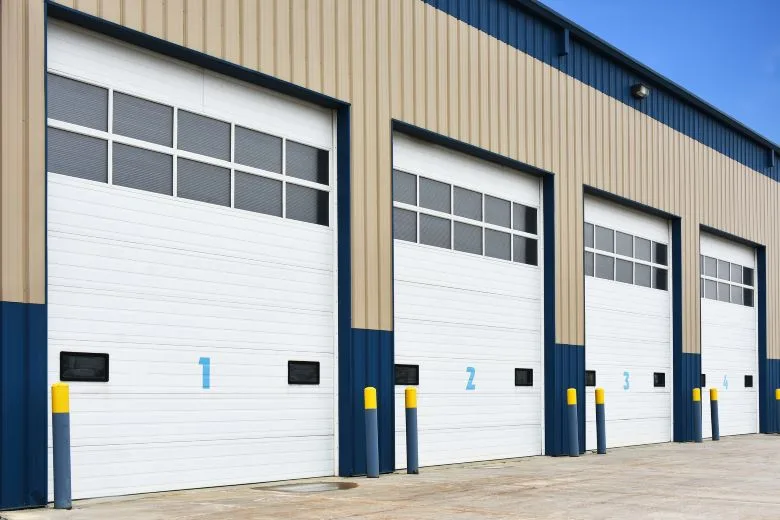
Commercial overhead doors are one of the most important areas of your working space, and when maintained and used properly, they allow people, equipment, and materials to move efficiently throughout the workday. Like any piece of heavy equipment, however, they require routine inspection and maintenance to operate safely.
Consistent Inspection and Maintenance Habits
Struck-by and crush injuries can occur when doors or their components are damaged, improperly maintained, or used incorrectly. Developing consistent inspection habits helps identify potential problems early, reducing the risk of accidents while keeping commercial overhead doors operating safely and reliably.
Recognize and Tend to Common Hazards
Injuries can happen when there's a lack of response to initial signs of wear and tear or malfunction, such as:
- Snapped, sheared, or otherwise compromised lifting cables, including those that are rusty, frayed, or damaged from an impact.
- Track misalignment that is bent or dislocated out of its proper position, which may cause the door to bind midway down or force the rollers out of their proper channels.
- Torsion spring failure, often due to metal fatigue or rust that wears down those areas, causing them to break or snap, possibly sending splintered metal flying.
Any warning sign of these mechanical hazards — damage, improper movement, or function of the door — indicates a need to make adjustments.
Complete Routine Inspections
Encourage employees to report information about risks if they notice:
- Changes to the function
- Sensors that do not align properly
- Changes to the visual look of the springs, tracks, or door itself
In addition to reporting immediately noticeable changes, schedule comprehensive inspections according to the manufacturer's recommended maintenance schedule and applicable industry standards. Have a qualified service professional perform the inspection to identify subtle signs of wear, damage, or operational issues that might otherwise go unnoticed. This includes:
- Completing a visual inspection of springs, hinges, brackets, and panels to look for any signs of wear and tear.
- Complete a full safety test on the photoelectric sensor lens by disengaging the motor and manually testing the auto-reverse feature.
- Visual inspection of all seals along the bottom and perimeter of the door is critical, especially during significant weather changes.
Inspections should become consistent, occurring on a routine basis alongside other preventive measures within the business to maintain equipment. Ensure the tension and weight of the commercial door continue to meet federal and local standards.
Follow Proper Maintenance Strategies
Ensuring safety is more than just inspections; commercial doors require routine maintenance to keep them working at their best and safest level. Following are common steps that a skilled professional will perform:
- Track clearing: Remove all debris and dirt from the tracks. Typically, it is necessary to leave a 3/8-inch clearance between the door's edge and the track.
- Tightening: Most constantly moving doors will need to be tightened routinely. This includes tightening all bolts, nuts, and screws, and ensuring all brackets and hinges are properly aligned and fastened.
- Lubrication: Use only commercial-grade garage door lubricant when the manufacturer recommends it on the springs, rollers, and hinges.
It may also be necessary for a licensed technician to make tension adjustments to meet the necessary requirements set for the size and type of door. In addition, if your location has a rolling fire door, you will need to complete a drop test at recommended intervals that complies with federal regulations, specifically NFPA 80 safety codes. These are also steps a licensed professional can help you maintain.
Safety Starts with Consistent Inspection
Routine inspection and maintenance help reduce the risk of struck-by and crush injuries while keeping commercial overhead doors operating reliably. By addressing wear, damage, and performance issues early, businesses can protect workers, reduce downtime, and extend the life of their door systems.
Looking for a reprint of this article?
From high-res PDFs to custom plaques, order your copy today!