ISHN logo
search
cart
facebook twitter linkedin youtube
  • Sign In
  • Create Account
  • Sign Out
  • My Account
ISHN logo
  • NEWS
    • Today's News
    • Global Safety News
    • Government Regulations
  • PRODUCTS
    • Product Innovations
    • Featured Products
  • TOPICS
    • Environmental Health and Safety
    • Facility Safety
    • Workplace Health
    • Occupational Safety
    • PPE
    • More Topics
  • CONSTRUCTION
  • TECHNOLOGY
  • COLUMNS
    • Best Practices
    • Dave Johnson: What’s going on
    • Editorial Comments
    • Leading Safety
  • MULTIMEDIA
    • ISHN Podcast
    • Videos
    • Cold Stress Education Quiz
    • Webinars
    • White Papers
  • MORE
    • Buyer's Guide
    • Newsletters
    • Convention Companion
    • Polls
    • Events
    • ISHN Store
    • Sponsor Insights
  • EMAGAZINE
    • eMagazine
    • Archived Issues
    • Contact
    • Advertise
  • JOIN TODAY!
Today's Safety News

Do teen athletes’ heart attack deaths mean rest of family is at risk? (4/11)

April 11, 2011


Dr. Anne Murphy

The recent flurry of highly publicized cases of young athletes dying suddenly on the playing field has prompted Johns Hopkins Children’s Center cardiologists to discuss the medical significance of a child’s sudden death for the rest of the family.

Because most cases of sudden cardiac death in young athletes stem from an underlying heart condition, a child’s sudden death or resuscitation from cardiac arrest should always prompt medical evaluation for the whole family, starting with parents and siblings and, possibly, extending to other family members.

“Because several types of inherited, and often lethal, heart conditions can manifest themselves in sudden death or fainting during exercise, the story doesn’t end with the child being successfully brought back to life or with the postmortem results,” says pediatric cardiologist Anne Murphy, M.D., of Hopkins Children’s.

Once the initial shock is over, the family should talk with their physician about further evaluation to rule out inherited forms of heart disease, she advises.

Who should be tested and when?

Pediatricians should refer to a pediatric cardiologist any child with chest pain and/or fainting that occur during exercise. Tests may include an electrocardiogram (ECG) and an echocardiogram. An ECG captures the electrical activity of the heart and can reveal some abnormalities that can cause fatal arrhythmias. Most people with such conditions have normal heart structure. The echocardiogram, on the other hand, uses ultrasound to check for abnormalities of the heart’s structure, including any thickening of the heart muscle, called hypertrophic cardiomyopathy, the top killer in young athletes who die from heart disease.

Any child with a family history of sudden cardiac death not caused by common types of coronary heart disease that occurred in a parent or sibling should see a pediatric cardiologist. Referral is a good idea even if an autopsy was never performed, or if the postmortem exam didn’t find a clear cause of death, Hopkins Children’s experts say. Most people who die of heart-rhythm disorders have structurally normal hearts, and the autopsy is often unrevealing, Murphy explains. Any children with family members who develop coronary heart disease before age 50 should have a cholesterol check at a minimum. If the test shows unusually high levels, the child should undergo further evaluation for inherited cholesterol disorders, Murphy adds.

Genetic testing: To do or not to do?

Genetic testing can identify the genetic mutations behind some types of inherited heart disease. People with symptoms suggestive of such conditions are good candidates for genetic testing as are their symptom-free family members. Testing the rest of the family can help cardiologists determine who needs therapy, lifestyle changes and close clinical monitoring to ward off sudden cardiac events in the future, Murphy says. A negative test can be reassuring, and a positive test can lead to lifesaving treatment with medication or an implantable defibrillator.

However, experts warn, genetic testing has its own pitfalls and needs to be done only in the context of a full clinical evaluation along with thorough genetic counseling.

“Genetic tests should never be the first step in evaluating a patient,” Murphy says. “They should come last to confirm a suspected diagnosis, and only once the cardiologist has specific genetic test targets in mind.”

There are two important caveats, cardiologists warn. Because multiple genes are tested, there’s always a chance to detect a variation, but a variation doesn’t always mean disease, nor will it necessarily explain certain symptoms. In such cases, clinical evaluation and family history become even more important, Murphy says. On the flip side, genetic tests may not detect any mutation in some people with clear signs of heart disease, but that doesn’t mean they don’t have a disorder.

“All it means is we have not found the genetic mutation responsible for their symptoms,” Murphy says. This is why a session with a genetic counselor before the test is critical, experts say.

“We must prepare patients for the possible outcomes of the test," Murphy says, "And what they mean to them."

Share This Story

Looking for a reprint of this article?
From high-res PDFs to custom plaques, order your copy today!

Recommended Content

JOIN TODAY
to unlock your recommendations.

Already have an account? Sign In

  • forklift safety

    Exploring the latest technologies in forklift safety

    With more staff and more stock in warehousing now more...
    Workplace Training Strategies
    By: Josh Cramer
  • welding

    All about welder’s flash or arc eye

    A flash burn is a painful inflammation of the cornea,...
    Environmental Health and Safety
  • dangerous jobs

    The 10 most dangerous jobs in the U.S.

    On-the-job deaths have been rising — hitting the highest...
    Construction Industry Safety and Health
    By: Benita Mehta
Manage My Account
  • eMagazine Subscriptions
  • ISHN Newsletter & Other Newsletter Alerts
  • Online Registration
  • Manage My Preferences
  • Subscription Customer Service

More Videos

Sponsored Content

Sponsored Content is a special paid section where industry companies provide high quality, objective, non-commercial content around topics of interest to the ISHN audience. All Sponsored Content is supplied by the advertising company and any opinions expressed in this article are those of the author and not necessarily reflect the views of ISHN or its parent company, BNP Media. Interested in participating in our Sponsored Content section? Contact your local rep!

close
  • man wearing the the Sundström SR200 Full Face Mask Respirator
    Sponsored byOHD

    5 Fit Testing Mistakes That Could Cost You

  • This image shows Magid AcuSpex polarized blue mirrored safety glasses.
    Sponsored byMagid Glove and Safety

    Construction PPE Guide: What Crews Need for Each Task

  • lone worker in confined space
    Sponsored byAlphasense Ltd.

    GET THE LEAD OUT of your Safety Oxygen Sensors!

Popular Stories

SpaceX 7 launch

OSHA Investigating Fatal Fall at SpaceX Starbase

dust explosion

Tennessee OSHA Issues Record $3.1M Fine After Deadly Explosion at Munitions Plant

roofing dangerous jobs Getty.jpg

OSHA Finds Florida Roofing Company Willfully Exposed Workers to Safety Hazards After Worker’s Fatal Fall

top 10 most dangerous jobs

Poll

Seasonal Readiness

With the federal heat stress prevention rule on the horizon, which area of your safety program needs the most attention?
View Results Poll Archive

Products

Surviving an OSHA Audit A Management Guide, 2nd Edition

Surviving an OSHA Audit A Management Guide, 2nd Edition

See More Products

ISHN Podcasts

Related Articles

  • Can't sleep? You could be at higher risk of a heart attack

    See More
  • A quarter of European workers believe that their health is at risk because of their work

    See More
  • professional industrial hygienists

    The unexamined organization is at risk

    See More

Related Products

See More Products
  • 0470074876vol4.jpg

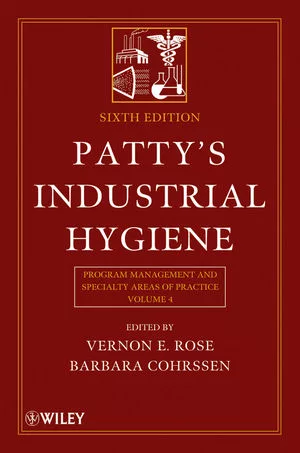
    Patty's Industrial Hygiene, Volume 4, Program Management and Specialty Areas of Practice , 6th Edition

  • 1119906652.webp

    Alive and Well at the End of the Day: The Supervisor's Guide to Managing Safety in Operations, 2E

  • industrial hy.jpg

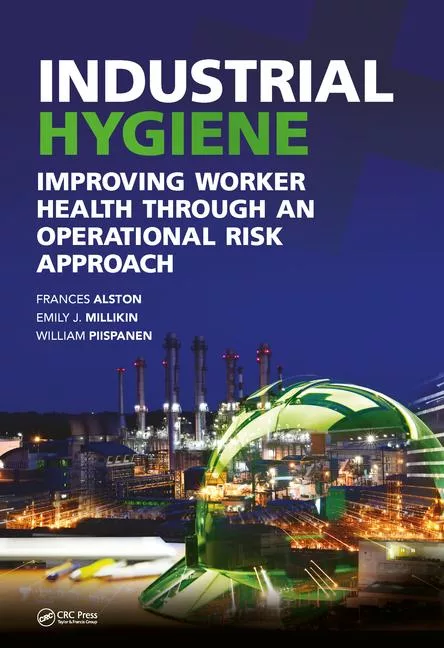
    Industrial Hygiene: Improving Worker Health through an Operational Risk Approach

See More Products

Related Directories

  • American Heart Association

×

Become a Leader in Safety Culture

Build your knowledge with ISHN, covering key safety, health and industrial hygiene news, products, and trends.

JOIN TODAY
  • RESOURCES
    • Advertise
    • Contact Us
    • Directories
    • Manufacturing Division
    • Store
    • Want More
  • SIGN UP TODAY
    • Create Account
    • eMagazine
    • Newsletters
    • Customer Service
    • Manage Preferences
  • SERVICES
    • Marketing Services
    • Reprints
    • Market Research
    • List Rental
    • Survey/Respondent Access
  • STAY CONNECTED
    • LinkedIn
    • Facebook
    • YouTube
    • X (Twitter)
  • PRIVACY
    • PRIVACY POLICY
    • TERMS & CONDITIONS
    • DO NOT SELL MY PERSONAL INFORMATION
    • PRIVACY REQUEST
    • ACCESSIBILITY

Copyright ©2026. All Rights Reserved BNP Media, Inc. and BNP Media II, LLC.

Design, CMS, Hosting & Web Development :: ePublishing