ISHN logo
search
cart
facebook twitter linkedin youtube
  • Sign In
  • Create Account
  • Sign Out
  • My Account
ISHN logo
  • NEWS
    • Today's News
    • Global Safety News
    • Government Regulations
  • PRODUCTS
    • Product Innovations
    • Featured Products
  • TOPICS
    • Environmental Health and Safety
    • Facility Safety
    • Workplace Health
    • Occupational Safety
    • PPE
    • More Topics
  • CONSTRUCTION
  • TECHNOLOGY
  • COLUMNS
    • Best Practices
    • Dave Johnson: What’s going on
    • Editorial Comments
    • Leading Safety
  • MULTIMEDIA
    • ISHN Podcast
    • Videos
    • Cold Stress Education Quiz
    • Webinars
    • White Papers
  • MORE
    • Buyer's Guide
    • Newsletters
    • Convention Companion
    • Polls
    • Events
    • ISHN Store
    • Sponsor Insights
  • EMAGAZINE
    • eMagazine
    • Archived Issues
    • Contact
    • Advertise
  • JOIN TODAY!
Today's Safety NewsEnvironmental Health and SafetyTransportation Safety

Health care experts fight repeal of Michigan’s motorcycle helmet law

“We are unified in our opposition”

September 8, 2011

motorcycleA move to make helmet use optional under Michigan law is meeting with stiff opposition from a coalition of health care organizations, who say that helmets save both lives and money.

“From a medical perspective, repealing Michigan’s mandatory helmet law just doesn’t make sense,” says William Barsan, M.D., chair and director of the University of Michigan Health System’s Department of Emergency Medicine. “Helmet use greatly reduces a rider’s chance of dying or suffering a life-altering brain injury.”

U of M, along with other large health systems, the Michigan College of Emergency Medical Physicians, Michigan Health & Hospital Association and dozens of county medical associations are urging state legislators to refrain from repealing the 42-year-old universal helmet law.

“The national Centers for Disease Control and Prevention consider universal helmet laws the single most effective way for states to reduce motorcycle deaths. Helmets cut the risk of death by 37 percent and the risk of head injury by 69 percent,” echoes Robert McCurdy, M.D., chairman of St. Joseph Mercy Ann Arbor’s Department of Emergency Medicine.

Meanwhile, hospital staffers continue to see firsthand the devastation caused by serious motorcycle crashes.

Helmet use also reduces medical expenses for taxpayers and families, says Karla Klas, B.S.N., R.N., C.C.R.P., injury prevention education specialist at the U-M Trauma Burn Center.

Klas – an avid street and off-road motorcyclist – was one of the authors of a 2002 U-M study which found riders who didn’t wear helmets incurred much higher medical costs. It found that inpatient hospital and rehabilitation costs were about $26,000 more for patients who were not wearing helmets. Moreover, the study did not include long-term rehabilitation costs or income loss, which can run into the millions.

Other studies have found that just over half of motorcycle crash victims had private health insurance coverage. For patients without private insurance, a majority of medical costs are borne by taxpayers, according to the National Highway Traffic Safety Administration.

Most patients in the U-M study were insured but, the authors cautioned, “The increased cost of hospitalization in these patients merely shifts the costs from the operator to the insurance company, and ultimately to the subscribers.”

The CDC estimates that helmet use in Michigan saves $43 million for every 100,000 motorcycles registered in the state. Across the country, helmet use saved roughly 1,829 lives and $2.9 billion in medical costs and lost earnings in 2008, the NHTSA reported.

Universal helmet laws have been shown to increase helmet use and weakening helmet laws has resulted in significant drops in helmet use, according to a CDC report. For example, when Florida repealed its law in 2000, use fell from 99 percent to 53 percent.

After California’s universal helmet law went into effect in 1992, hospital costs for motorcycle-related head injuries fell from $36.6 million the previous year to $15.9 million, according to the NHTSA. During this time, the share of medical costs accounted for by head injuries fell from 46 percent to 31 percent.

“As a nurse, I can tell you that it deeply saddens all of us when someone comes in with severe head trauma or dies despite our best efforts because of an injury that could have been prevented by wearing a helmet,” Klas says. “Every day we see the life-changing results of these crashes. We see people with permanent brain damage that keeps them from ever working again. We see fiercely independent people suddenly reliant on others to take care of them. We see the enormous strain it puts on families.”

Lena M. Napolitano, M.D., trauma director of U-M’s Level I Trauma Center, chief of acute care surgery at the U-M Health System and professor of surgery at the U-M Medical School, agrees.

“We are unified in our opposition to the repeal,” she says. “This is about standing up for a smart public health policy – one that will save lives, prevent injuries and reduce health care costs.”

KEYWORDS: emergency health helmets

Share This Story

Looking for a reprint of this article?
From high-res PDFs to custom plaques, order your copy today!

Recommended Content

JOIN TODAY
to unlock your recommendations.

Already have an account? Sign In

  • forklift safety

    Exploring the latest technologies in forklift safety

    With more staff and more stock in warehousing now more...
    Workplace Training Strategies
    By: Josh Cramer
  • welding

    All about welder’s flash or arc eye

    A flash burn is a painful inflammation of the cornea,...
    Environmental Health and Safety
  • dangerous jobs

    The 10 most dangerous jobs in the U.S.

    On-the-job deaths have been rising — hitting the highest...
    Occupational Safety
    By: Benita Mehta
Manage My Account
  • eMagazine Subscriptions
  • ISHN Newsletter & Other Newsletter Alerts
  • Online Registration
  • Manage My Preferences
  • Subscription Customer Service

More Videos

Sponsored Content

Sponsored Content is a special paid section where industry companies provide high quality, objective, non-commercial content around topics of interest to the ISHN audience. All Sponsored Content is supplied by the advertising company and any opinions expressed in this article are those of the author and not necessarily reflect the views of ISHN or its parent company, BNP Media. Interested in participating in our Sponsored Content section? Contact your local rep!

close
  • man wearing the the Sundström SR200 Full Face Mask Respirator
    Sponsored byOHD

    5 Fit Testing Mistakes That Could Cost You

  • This image shows Magid AcuSpex polarized blue mirrored safety glasses.
    Sponsored byMagid Glove and Safety

    Construction PPE Guide: What Crews Need for Each Task

  • lone worker in confined space
    Sponsored byAlphasense Ltd.

    GET THE LEAD OUT of your Safety Oxygen Sensors!

Popular Stories

SpaceX 7 launch

OSHA Investigating Fatal Fall at SpaceX Starbase

Worker Impairment

How to Tell When a Co-Worker is Impaired? A Safety Pro’s Challenge

psychology in the workplace

Most Workplaces Measure Psychological Safety, Ignoring Psychosocial Risks

top 10 most dangerous jobs

Poll

Seasonal Readiness

With the federal heat stress prevention rule on the horizon, which area of your safety program needs the most attention?
View Results Poll Archive

Products

Surviving an OSHA Audit A Management Guide, 2nd Edition

Surviving an OSHA Audit A Management Guide, 2nd Edition

See More Products

ISHN Podcasts

Related Articles

  • Health care experts try to boost booster seat use

    See More
  • Public health experts oppose repeal of Obamacare

    See More
  • Motorcycle helmet laws save money, study finds

    See More

Related Products

See More Products
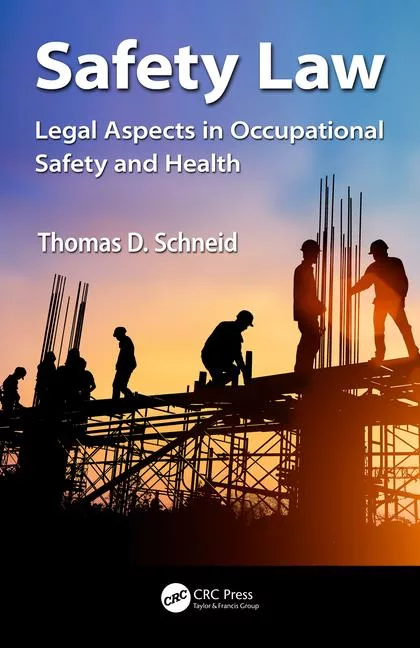
  • safety law.jpg

    Safety Law: Legal Aspects in Occupational Safety and Health

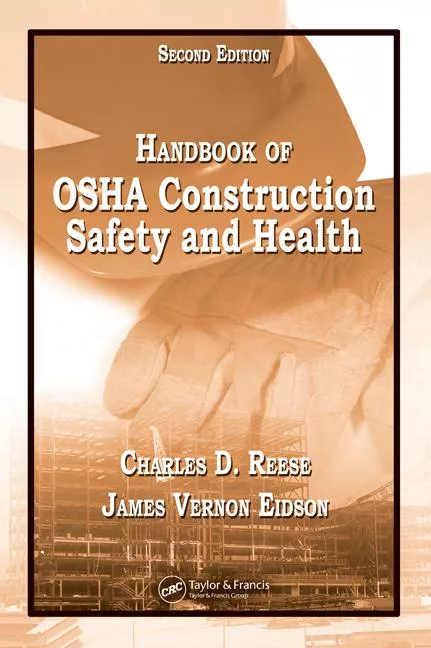
  • 9780849365461.jpg

    Handbook of OSHA Construction Safety and Health, Second Edition

See More Products

Related Directories

  • Construction Association of Michigan (CAM)

    CAM is a not-for-profit organization consisting of over 1,700 members, including general contractors, subcontractors, equipment and material suppliers, architects, engineers and service providers, such as attorneys, financial managers, and business consultants.
×

Become a Leader in Safety Culture

Build your knowledge with ISHN, covering key safety, health and industrial hygiene news, products, and trends.

JOIN TODAY
  • RESOURCES
    • Advertise
    • Contact Us
    • Directories
    • Manufacturing Division
    • Store
    • Want More
  • SIGN UP TODAY
    • Create Account
    • eMagazine
    • Newsletters
    • Customer Service
    • Manage Preferences
  • SERVICES
    • Marketing Services
    • Reprints
    • Market Research
    • List Rental
    • Survey/Respondent Access
  • STAY CONNECTED
    • LinkedIn
    • Facebook
    • YouTube
    • X (Twitter)
  • PRIVACY
    • PRIVACY POLICY
    • TERMS & CONDITIONS
    • DO NOT SELL MY PERSONAL INFORMATION
    • PRIVACY REQUEST
    • ACCESSIBILITY

Copyright ©2026. All Rights Reserved BNP Media, Inc. and BNP Media II, LLC.

Design, CMS, Hosting & Web Development :: ePublishing