ISHN logo
search
cart
facebook twitter linkedin youtube
  • Sign In
  • Create Account
  • Sign Out
  • My Account
ISHN logo
  • NEWS
    • Today's News
    • Global Safety News
    • Government Regulations
  • PRODUCTS
    • Product Innovations
    • Featured Products
  • TOPICS
    • Environmental Health and Safety
    • Facility Safety
    • Workplace Health
    • Occupational Safety
    • PPE
    • More Topics
  • CONSTRUCTION
  • TECHNOLOGY
  • COLUMNS
    • Best Practices
    • Dave Johnson: What’s going on
    • Editorial Comments
    • Leading Safety
  • MULTIMEDIA
    • ISHN Podcast
    • Videos
    • Cold Stress Education Quiz
    • Webinars
    • White Papers
  • MORE
    • Buyer's Guide
    • Newsletters
    • Convention Companion
    • Polls
    • Events
    • ISHN Store
    • Sponsor Insights
  • EMAGAZINE
    • eMagazine
    • Archived Issues
    • Contact
    • Advertise
  • JOIN TODAY!
Today's Safety NewsFacility SafetyWorkplace Health

Chemical industry fires back at NRDC

January 23, 2012

chemicalsThe American Chemistry Council (ACC) is taking aim at a National Resources Defense Council (blog) that accuses the chemical industry of having undue influence over Congress, particularly in actions related to the assessment and classification of chemicals like formaldehyde and styrene.

As reported on www.ishn.com, the post by NRDC senior attorney Daniel Rosenberg on the Switchboard blog charged Congress with "taking its direction on science and environmental health policy from the chemical industry, rather than independent scientists who lack a financial interest in the question of whether some chemicals can cause cancer and other health problems."

The ACC calls Rosenberg's claims "a desperate attempt to defend a flawed process."

"The Congressional Appropriations language to which Rosenberg refers is based on the conclusions of an expert panel convened by the National Academy of Sciences (NAS)," according to an ACC statement. "While the NAS panel was tasked with reviewing EPA’s draft assessment for formaldehyde under the Agency’s Integrated Risk Information System (IRIS), it concluded that 'the persistence of limitations of the IRIS assessment methods and reports is of concern.' As a consequence, the panel devoted an entire chapter to recommending substantial improvements to the IRIS process overall 'in light of the continued evolution of risk-assessment methods and the growing societal and legislative pressure to evaluate many more chemicals in an expedient manner.'"

The ACC said many of the concerns noted by the NAS panel have been voiced by other federal agencies, academics, and industry scientists. The group also cited a Government Accountability Office (GAO) report released recently which concluded that “EPA has not fully addressed recurring issues concerning the clarity and transparency of its development and presentation of draft IRIS assessments.”

The GAO is an investigative arm of the US Congress.

The NRDC's Rosenberg said two key riders included in the Omnibus bill passed by Congress late last year are an attempt by the chemical industry to "undermine the integrity and credibility of government science programs charged with assessing the potential health effects of toxic chemicals."  

Rosenberg said the rider requiring EPA to have three of the chemical assessments conducted by the agency’s IRIS program reviewed by the National Academy of Sciences (NAS) is part of a decade-old campaign by the chemical industry to "protect" formaldehyde and styrene from a growing body of evidence that they cause cancer in humans.

The EPA’s IRIS program conducts health assessments of chemicals and determines acceptable levels of exposure. IRIS assessments are frequently used by regulators to set health-based standards for chemicals. "Because an IRIS assessment can lead to new or strengthened protections from exposure to a toxic substance, the chemical industry has spent years fighting EPA efforts to complete those assessments," wrote Rosenberg.

The ACC, however, says that no scientific findings have emerged that would warrant modifying formaldehyde's classification, and that the passage of the IRIS language in the bill by bipartisan votes in both the House and Senate indicates a desire for the EPA to improve the scientific procedures and processes for evaluating the risk chemicals can pose.

"Contrary to the claims of NRDC’s Rosenberg, Congress’ action reflects a growing concern about IRIS," says the ACC statement.

The ACC says notes that formaldehyde is a simple chemical compound made of hydrogen, oxygen and carbon, with the formula CH2O. All organic life forms--bacteria, plants, fish, animals and humans--make formaldehyde naturally at various levels. Formaldehyde does not accumulate in the environment or within plants, animals or people, as metabolic processes quickly break it down in the body and the atmosphere.

First used as a biological preservative more than a century ago, formaldehyde has become "an essential part of the production of hundreds of beneficial products that are used every day in homes and factories. Formaldehyde-based technologies are an important part of the U.S. economy, as they are used to produce a wide range of materials," according to the ACC.

Click here to read the Rosenberg's blog post. Click here to visit the American Chemistry Council website.

KEYWORDS: chemicals formaldehyde

Share This Story

Looking for a reprint of this article?
From high-res PDFs to custom plaques, order your copy today!

Recommended Content

JOIN TODAY
to unlock your recommendations.

Already have an account? Sign In

  • forklift safety

    Exploring the latest technologies in forklift safety

    With more staff and more stock in warehousing now more...
    Workplace Training Strategies
    By: Josh Cramer
  • welding

    All about welder’s flash or arc eye

    A flash burn is a painful inflammation of the cornea,...
    Environmental Health and Safety
  • dangerous jobs

    The 10 most dangerous jobs in the U.S.

    On-the-job deaths have been rising — hitting the highest...
    Transportation Safety
    By: Benita Mehta
Manage My Account
  • eMagazine Subscriptions
  • ISHN Newsletter & Other Newsletter Alerts
  • Online Registration
  • Manage My Preferences
  • Subscription Customer Service

More Videos

Sponsored Content

Sponsored Content is a special paid section where industry companies provide high quality, objective, non-commercial content around topics of interest to the ISHN audience. All Sponsored Content is supplied by the advertising company and any opinions expressed in this article are those of the author and not necessarily reflect the views of ISHN or its parent company, BNP Media. Interested in participating in our Sponsored Content section? Contact your local rep!

close
  • man wearing the the Sundström SR200 Full Face Mask Respirator
    Sponsored byOHD

    5 Fit Testing Mistakes That Could Cost You

  • This image shows Magid AcuSpex polarized blue mirrored safety glasses.
    Sponsored byMagid Glove and Safety

    Construction PPE Guide: What Crews Need for Each Task

  • lone worker in confined space
    Sponsored byAlphasense Ltd.

    GET THE LEAD OUT of your Safety Oxygen Sensors!

Popular Stories

SpaceX 7 launch

OSHA Investigating Fatal Fall at SpaceX Starbase

Worker Impairment

How to Tell When a Co-Worker is Impaired? A Safety Pro’s Challenge

Automated loading dock equipment

After March 2026 Rivian Death, Safety Managers Reassess Loading Dock Systems Under OSHA's Warehouse Emphasis Program

top 10 most dangerous jobs

Poll

Seasonal Readiness

With the federal heat stress prevention rule on the horizon, which area of your safety program needs the most attention?
View Results Poll Archive

Products

Surviving an OSHA Audit A Management Guide, 2nd Edition

Surviving an OSHA Audit A Management Guide, 2nd Edition

See More Products

ISHN Podcasts

Related Articles

  • NRDC: Chemical industry is calling the shots on congressional EHS policies

    See More
  • Did White House choose chemical industry interests over public health?

    See More
  • Tianjin disaster: How prepared is the US chemical industry?

    See More

Related Products

See More Products
  • 1119906652.webp

    Alive and Well at the End of the Day: The Supervisor's Guide to Managing Safety in Operations, 2E

  • 111885960X.jpg

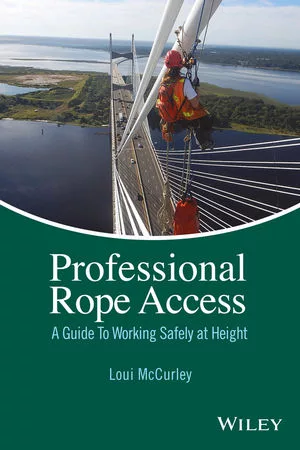
    Professional Rope Access: A Guide To Working Safely at Height

See More Products

Related Directories

  • The Back School

    The Back School facilitates reducing work-related injuries; increasing employee productivity, safety, efficiency and job satisfaction; and reducing absenteeism.
×

Become a Leader in Safety Culture

Build your knowledge with ISHN, covering key safety, health and industrial hygiene news, products, and trends.

JOIN TODAY
  • RESOURCES
    • Advertise
    • Contact Us
    • Directories
    • Manufacturing Division
    • Store
    • Want More
  • SIGN UP TODAY
    • Create Account
    • eMagazine
    • Newsletters
    • Customer Service
    • Manage Preferences
  • SERVICES
    • Marketing Services
    • Reprints
    • Market Research
    • List Rental
    • Survey/Respondent Access
  • STAY CONNECTED
    • LinkedIn
    • Facebook
    • YouTube
    • X (Twitter)
  • PRIVACY
    • PRIVACY POLICY
    • TERMS & CONDITIONS
    • DO NOT SELL MY PERSONAL INFORMATION
    • PRIVACY REQUEST
    • ACCESSIBILITY

Copyright ©2026. All Rights Reserved BNP Media, Inc. and BNP Media II, LLC.

Design, CMS, Hosting & Web Development :: ePublishing