ISHN logo
search
cart
facebook twitter linkedin youtube
  • Sign In
  • Create Account
  • Sign Out
  • My Account
ISHN logo
  • NEWS
    • Today's News
    • Global Safety News
    • Government Regulations
  • PRODUCTS
    • Product Innovations
    • Featured Products
  • TOPICS
    • Environmental Health and Safety
    • Facility Safety
    • Workplace Health
    • Occupational Safety
    • PPE
    • More Topics
  • CONSTRUCTION
  • TECHNOLOGY
  • COLUMNS
    • Best Practices
    • Dave Johnson: What’s going on
    • Editorial Comments
    • Leading Safety
  • MULTIMEDIA
    • ISHN Podcast
    • Videos
    • Cold Stress Education Quiz
    • Webinars
    • White Papers
  • MORE
    • Buyer's Guide
    • Newsletters
    • Convention Companion
    • Polls
    • Events
    • ISHN Store
    • Sponsor Insights
  • EMAGAZINE
    • eMagazine
    • Archived Issues
    • Contact
    • Advertise
  • JOIN TODAY!
Today's Safety NewsWorkplace Health

Low-carb diet? Low-fat? Either is good if it sheds belly fat
March 19, 2012

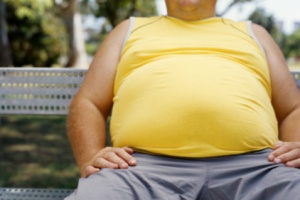
obesityOverweight people who shed pounds, especially belly fat, can improve the function of their blood vessels no matter whether they are on a low-carb or a low-fat diet, according to a study by Johns Hopkins researchers that is focused on cardiovascular disease prevention.

In the six-month weight-loss study, Hopkins researchers found that the more belly fat the participants lost, the better their arteries were able to expand when needed, allowing more blood to flow more freely. The researchers also found that participants in the study who were on a low-carb diet lost about ten pounds more, on average, than those who were on a low-fat diet. Being overweight increases the risk of cardiovascular disease, especially if the fat is accumulated in the belly above the waist.

“After six months, those who were on the low-carb diet lost an average of 28.9 pounds versus 18.7 pounds among those on the low-fat diet,” says lead investigator Kerry J. Stewart, Ed.D., a professor of medicine at the Johns Hopkins University School of Medicine and director of clinical and research exercise physiology at the Johns Hopkins Heart and Vascular Institute.

Stewart and his colleagues studied 60 men and women who weighed an average of 215 pounds at the start of the program. Half of the participants went on a low-carb diet while the others followed a low-fat diet. All took part in moderate exercise and their diets  provided a similar amount of calories each day.

In order to evaluate the health of the participants’ blood vessels before and after the weight loss program, the researchers conducted a blood flow test by constricting circulation in the upper arm for five minutes with a blood pressure cuff. With this type of test, when the cuff is released, a healthier artery will expand more, allowing more blood to flow through the artery. The researchers measured how much blood reached the fingertips before, during, and after the constriction of the artery. Stewart says this test can give an indication of the overall health of the vascular system throughout the body. The researchers found that the more belly fat a person had lost, the greater the blood flow to the finger, signaling better the function of the artery.

“Our study demonstrated that the amount of improvement in the  vessels was directly linked to how much central, or belly fat, the individuals lost, regardless of  which diet they were on,” says Stewart. “This is important since there have been concerns that a low-carb diet, which means eating more fat, may have a harmful effect on cardiovascular health. These results showed no harmful effects from the low-carb diet.”

In the low-carb diet used in the study, up to 30 percent of calories came from carbs such as bread, pasta and certain fruits, while 40 percent was from fat consumed from meat, dairy products and nuts. In contrast, the low-fat diet consisted of no more than 30 percent of calories from fat and 55 percent from carbs.

Stewart notes that participants on the low-carb diet lost more weight and at a faster pace, on average, which has also been seen in several other studies. He says eating higher amounts of carbohydrates can slow down the rate of body fat loss while on a weight reduction diet.

The findings were consistent with early results presented by Stewart in June 2011 at the annual meeting of the American College of Sports Medicine in Denver. That initial report was based on results after participants in the study had lost their first 10 pounds. These longer-term results show that weight loss, along with exercise, is important for improving vascular health, and suggests following a low-carb diet rather than the conventionally recommended low-fat diet for weight loss is not a concern in terms of vascular health.

KEYWORDS: health nutrition

Share This Story

Looking for a reprint of this article?
From high-res PDFs to custom plaques, order your copy today!

Recommended Content

JOIN TODAY
to unlock your recommendations.

Already have an account? Sign In

  • forklift safety

    Exploring the latest technologies in forklift safety

    With more staff and more stock in warehousing now more...
    Facility Safety
    By: Josh Cramer
  • welding

    All about welder’s flash or arc eye

    A flash burn is a painful inflammation of the cornea,...
    Environmental Health and Safety
  • dangerous jobs

    The 10 most dangerous jobs in the U.S.

    On-the-job deaths have been rising — hitting the highest...
    Transportation Safety
    By: Benita Mehta
Manage My Account
  • eMagazine Subscriptions
  • ISHN Newsletter & Other Newsletter Alerts
  • Online Registration
  • Manage My Preferences
  • Subscription Customer Service

More Videos

Sponsored Content

Sponsored Content is a special paid section where industry companies provide high quality, objective, non-commercial content around topics of interest to the ISHN audience. All Sponsored Content is supplied by the advertising company and any opinions expressed in this article are those of the author and not necessarily reflect the views of ISHN or its parent company, BNP Media. Interested in participating in our Sponsored Content section? Contact your local rep!

close
  • man wearing the the Sundström SR200 Full Face Mask Respirator
    Sponsored byOHD

    5 Fit Testing Mistakes That Could Cost You

  • This image shows Magid AcuSpex polarized blue mirrored safety glasses.
    Sponsored byMagid Glove and Safety

    Construction PPE Guide: What Crews Need for Each Task

  • lone worker in confined space
    Sponsored byAlphasense Ltd.

    GET THE LEAD OUT of your Safety Oxygen Sensors!

Popular Stories

SpaceX 7 launch

OSHA Investigating Fatal Fall at SpaceX Starbase

Automated loading dock equipment

After March 2026 Rivian Death, Safety Managers Reassess Loading Dock Systems Under OSHA's Warehouse Emphasis Program

psychology in the workplace

Most Workplaces Measure Psychological Safety, Ignoring Psychosocial Risks

top 10 most dangerous jobs

Poll

Seasonal Readiness

With the federal heat stress prevention rule on the horizon, which area of your safety program needs the most attention?
View Results Poll Archive

Products

Surviving an OSHA Audit A Management Guide, 2nd Edition

Surviving an OSHA Audit A Management Guide, 2nd Edition

See More Products

ISHN Podcasts

Related Articles

  • NFIB Jobs Report: Small employers disagree if it’s safe to hire again

    See More
  • It only works if it’s worn: What workers want in eye protection

    See More
  • Workplace dissent is good for safety, says ASSE journal article

    See More
×

Become a Leader in Safety Culture

Build your knowledge with ISHN, covering key safety, health and industrial hygiene news, products, and trends.

JOIN TODAY
  • RESOURCES
    • Advertise
    • Contact Us
    • Directories
    • Manufacturing Division
    • Store
    • Want More
  • SIGN UP TODAY
    • Create Account
    • eMagazine
    • Newsletters
    • Customer Service
    • Manage Preferences
  • SERVICES
    • Marketing Services
    • Reprints
    • Market Research
    • List Rental
    • Survey/Respondent Access
  • STAY CONNECTED
    • LinkedIn
    • Facebook
    • YouTube
    • X (Twitter)
  • PRIVACY
    • PRIVACY POLICY
    • TERMS & CONDITIONS
    • DO NOT SELL MY PERSONAL INFORMATION
    • PRIVACY REQUEST
    • ACCESSIBILITY

Copyright ©2026. All Rights Reserved BNP Media, Inc. and BNP Media II, LLC.

Design, CMS, Hosting & Web Development :: ePublishing