Hand-washing: Do's and don'ts
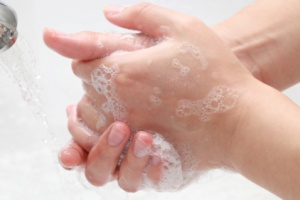 Frequent hand-washing is one of the best ways to avoid getting sick and spreading illness. Hand-washing requires only soap and water or an alcohol-based hand sanitizer — a cleanser that doesn't require water. Find out when and how to wash your hands properly.
When to wash your hands
As you touch people, surfaces and objects throughout the day, you accumulate germs on your hands. In turn, you can infect yourself with these germs by touching your eyes, nose or mouth. Although it's impossible to keep your hands germ-free, washing your hands frequently can help limit the transfer of bacteria, viruses and other microbes.
Always wash your hands before:
- Preparing food or eating
- Treating wounds, giving medicine, or caring for a sick or injured person
- Inserting or removing contact lenses
Always wash your hands after:
- Preparing food, especially raw meat or poultry
- Using the toilet or changing a diaper
- Touching an animal or animal toys, leashes, or waste
- Blowing your nose, coughing or sneezing into your hands
- Treating wounds or caring for a sick or injured person
- Handling garbage, household or garden chemicals, or anything that could be contaminated — such as a cleaning cloth or soiled shoes
In addition, wash your hands whenever they look dirty.
How to wash your hands
- It's generally best to wash your hands with soap and water. Follow these simple steps:
- Wet your hands with running water.
- Apply liquid, bar or powder soap.
- Lather well.
- Rub your hands vigorously for at least 20 seconds. Remember to scrub all surfaces, including the backs of your hands, wrists, between your fingers and under your fingernails.
- Rinse well.
- Dry your hands with a clean or disposable towel or air dryer.
- If possible, use your towel to turn off the faucet.
Keep in mind that antibacterial soap is no more effective at killing germs than is regular soap. Using antibacterial soap may even lead to the development of bacteria that are resistant to the product's antimicrobial agents — making it harder to kill these germs in the future.
How to use an alcohol-based hand sanitizer
Alcohol-based hand sanitizers, which don't require water, are an acceptable alternative when soap and water aren't available. If you choose to use a hand sanitizer, make sure the product contains at least 60 percent alcohol. Then follow these simple steps:
- Apply enough of the product to the palm of your hand to wet your hands completely.
- Rub your hands together, covering all surfaces, until your hands are dry.
- Antimicrobial wipes or towelettes are another effective option. Again, look for a product that contains a high percentage of alcohol. If your hands are visibly dirty, wash with soap and water.
Kids need clean hands, too
Help children stay healthy by encouraging them to wash their hands properly and frequently. Wash your hands with your child to show him or her how it's done. To prevent rushing, suggest washing hands for as long as it takes to sing the "Happy Birthday" song twice. You might place hand-washing reminders at your child's eye level, such as a chart by the bathroom sink that can be marked every time your child washes his or her hands. If your child can't reach the sink on his or her own, keep a step stool handy.
Alcohol-based hand sanitizers are OK for children and adolescents, too, especially when soap and water aren't available. Remind your child to make sure the sanitizer completely dries before he or she touches anything. Store the container safely away after use.
Hand-washing is especially important for children in child care settings. Young children cared for in groups outside the home are at greater risk of respiratory and gastrointestinal diseases, which can easily spread to family members and other contacts. Be sure your child care provider promotes frequent hand-washing or use of alcohol-based hand sanitizers. Ask whether the children are required to wash their hands several times a day — not just before meals. Note, too, whether diapering areas are cleaned after each use and whether eating and diapering areas are well separated.
A simple way to stay healthy
Hand-washing doesn't take much time or effort, but it offers great rewards in terms of preventing illness. Adopting this simple habit can play a major role in protecting your health.
Looking for a reprint of this article?
From high-res PDFs to custom plaques, order your copy today!