ISHN logo
search
cart
facebook twitter linkedin youtube
  • Sign In
  • Create Account
  • Sign Out
  • My Account
ISHN logo
  • NEWS
    • Today's News
    • Global Safety News
    • Government Regulations
  • PRODUCTS
    • Product Innovations
    • Featured Products
  • TOPICS
    • Environmental Health and Safety
    • Facility Safety
    • Workplace Health
    • Occupational Safety
    • PPE
    • More Topics
  • CONSTRUCTION
  • TECHNOLOGY
  • COLUMNS
    • Best Practices
    • Dave Johnson: What’s going on
    • Editorial Comments
    • Leading Safety
  • MULTIMEDIA
    • ISHN Podcast
    • Videos
    • Cold Stress Education Quiz
    • Webinars
    • White Papers
  • MORE
    • Buyer's Guide
    • Newsletters
    • Convention Companion
    • Polls
    • Events
    • ISHN Store
    • Sponsor Insights
  • EMAGAZINE
    • eMagazine
    • Archived Issues
    • Contact
    • Advertise
  • JOIN TODAY!
Environmental Health and SafetySafety & Health Best Practices Workplace HealthRisk Management

Working during pregnancy: Do's and don'ts

pregnant woman
July 30, 2019

Although many women can and do work throughout their pregnancies – depending upon the physical demands of their job – being pregnant can present challenges in the workplace.

The Mayo Clinic offers guidance on how to alleviate common pregnancy discomforts that may occur at work, and how to determine if a work task might jeopardize a pregnancy.

Easing nausea and vomiting

"Morning" sickness is a misnomer – pregnancy-related nausea can affect a woman at any time. To ease nausea at work:

  • Avoid nausea triggers. 
  • Snack often. Keep a stash at work of crackers and other bland foods for easy snacking. Ginger ale or ginger tea might help, too.

Handling fatigue

You might feel tired as your body works overtime to support your pregnancy — and resting during the workday can be tough. It might help to:

  • Eat foods rich in iron and protein. Fatigue can be a symptom of iron deficiency anemia, but adjusting your diet can help. Choose foods such as red meat, poultry, seafood, leafy green vegetables, iron-fortified whole-grain cereal and beans.
  • Take short, frequent breaks. Getting up and moving around for a few minutes can reinvigorate you. Spending a few minutes with the lights off, your eyes closed and your feet up also can help you recharge.
  • Drink plenty of fluids. Keep a water bottle at your desk or in your work area and sip throughout the day.
  • Cut back on activities. Scaling back can help you get more rest when your workday ends. Consider doing your shopping online or hiring someone to clean the house or take care of the yard.
  • Keep up your fitness routine. Although exercise might be the last thing on your mind at the end of a long day, physical activity can help boost your energy level — especially if you sit at a desk all day. Take a walk after work or join a prenatal fitness class, as long as your health care provider says it's OK.
  • Go to bed early. Aim for at least eight hours of sleep every night. Resting on your left side will maximize blood flow to your baby and ease swelling. For added comfort, place pillows between your legs and under your belly.

Staying comfortable

As your pregnancy progresses, everyday activities such as sitting and standing can become uncomfortable. Remember those short, frequent breaks to combat fatigue? Moving around every few hours also can ease muscle tension and help prevent fluid buildup in your legs and feet. Try these other strategies, too:

  • Sitting. Using an adjustable chair with good lower back support can make long hours of sitting much easier — especially as your weight and posture change. If your chair isn't adjustable, use a small pillow or cushion to provide extra support for your back. Elevate your legs to decrease swelling.
  • Standing. If you must stand for long periods of time, put one of your feet up on a footrest, low stool or box. Switch feet every so often and take frequent breaks. Wear comfortable shoes with good arch support. Consider wearing support or compression hose, too.
  • Bending and lifting. Even when you're lifting something light, proper form can spare your back. Bend at your knees, not your waist. Keep the load close to your body, lifting with your legs — not your back. Avoid twisting your body while lifting.

Keeping stress under control

Stress on the job can sap the energy you need to care for yourself and your baby. To minimize workplace stress:

  • Take control. Make daily to-do lists and prioritize your tasks. Consider what you can delegate to someone else — or eliminate.
  • Talk it out. Share frustrations with a supportive co-worker, friend or loved one.
  • Relax. Practice relaxation techniques, such as breathing slowly or imagining yourself in a calm place. Try a prenatal yoga class, as long as your health care provider says it's OK.

Taking proper job precautions

Certain working conditions might increase your risk of complications during pregnancy — especially if you're at high risk of preterm labor — including:

  • Exposure to harmful substances
  • Prolonged standing
  • Heavy lifting, climbing or carrying
  • Excessive noise
  • Heavy vibrations, such as from large machines
  • Extreme temperatures

If you're concerned about any of these issues, mention it to your health care provider. Together you can decide if you need to take special precautions or modify your work duties during your pregnancy.

Source: Mayo Clinic


Share This Story

Looking for a reprint of this article?
From high-res PDFs to custom plaques, order your copy today!

Recommended Content

JOIN TODAY
to unlock your recommendations.

Already have an account? Sign In

  • forklift safety

    Exploring the latest technologies in forklift safety

    With more staff and more stock in warehousing now more...
    Facility Safety
    By: Josh Cramer
  • welding

    All about welder’s flash or arc eye

    A flash burn is a painful inflammation of the cornea,...
    Environmental Health and Safety
  • dangerous jobs

    The 10 most dangerous jobs in the U.S.

    On-the-job deaths have been rising — hitting the highest...
    Government Safety Regulations
    By: Benita Mehta
Manage My Account
  • eMagazine Subscriptions
  • ISHN Newsletter & Other Newsletter Alerts
  • Online Registration
  • Manage My Preferences
  • Subscription Customer Service

More Videos

Sponsored Content

Sponsored Content is a special paid section where industry companies provide high quality, objective, non-commercial content around topics of interest to the ISHN audience. All Sponsored Content is supplied by the advertising company and any opinions expressed in this article are those of the author and not necessarily reflect the views of ISHN or its parent company, BNP Media. Interested in participating in our Sponsored Content section? Contact your local rep!

close
  • man wearing the the Sundström SR200 Full Face Mask Respirator
    Sponsored byOHD

    5 Fit Testing Mistakes That Could Cost You

  • This image shows Magid AcuSpex polarized blue mirrored safety glasses.
    Sponsored byMagid Glove and Safety

    Construction PPE Guide: What Crews Need for Each Task

  • lone worker in confined space
    Sponsored byAlphasense Ltd.

    GET THE LEAD OUT of your Safety Oxygen Sensors!

Popular Stories

SpaceX 7 launch

OSHA Investigating Fatal Fall at SpaceX Starbase

Worker Impairment

How to Tell When a Co-Worker is Impaired? A Safety Pro’s Challenge

Automated loading dock equipment

After March 2026 Rivian Death, Safety Managers Reassess Loading Dock Systems Under OSHA's Warehouse Emphasis Program

top 10 most dangerous jobs

Poll

Seasonal Readiness

With the federal heat stress prevention rule on the horizon, which area of your safety program needs the most attention?
View Results Poll Archive

Products

Surviving an OSHA Audit A Management Guide, 2nd Edition

Surviving an OSHA Audit A Management Guide, 2nd Edition

See More Products

ISHN Podcasts

Related Articles

  • Do’s and don’ts for working at heights

    See More
  • Fall protection do’s and don’ts from OSHA

    See More
  • Hand-washing: Do's and don'ts

    See More

Related Products

See More Products
  • 111885960X.jpg

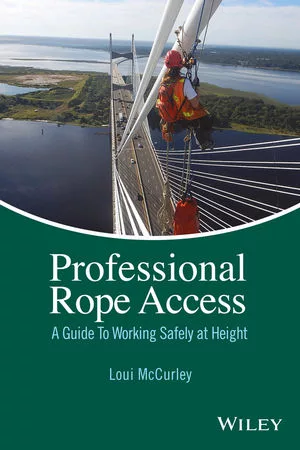
    Professional Rope Access: A Guide To Working Safely at Height

See More Products

Events

View AllSubmit An Event
  • June 28, 2017

    Walking working surfaces webinar offered by ORCHSE Strategies

    OSHA’s Updated Walking Working Surfaces Standard Webinar will be led by Rich Fairfax, Former Deputy Assistant Director for OSHA, on June 28, 2017 from 10:30 am -12 noon.
  • December 16, 2016

    ASSE to host virtual symposium on new OSHA Walking-Working Standard

    The American Society of Safety Engineers is offering a virtual symposium to help occupational safety and health professionals better understand the sweeping changes OSHA recently made to its final rule on Walking-Working Surfaces and Personal Fall Protection standards in relation to slip, trip and fall hazards.
View AllSubmit An Event
×

Become a Leader in Safety Culture

Build your knowledge with ISHN, covering key safety, health and industrial hygiene news, products, and trends.

JOIN TODAY
  • RESOURCES
    • Advertise
    • Contact Us
    • Directories
    • Manufacturing Division
    • Store
    • Want More
  • SIGN UP TODAY
    • Create Account
    • eMagazine
    • Newsletters
    • Customer Service
    • Manage Preferences
  • SERVICES
    • Marketing Services
    • Reprints
    • Market Research
    • List Rental
    • Survey/Respondent Access
  • STAY CONNECTED
    • LinkedIn
    • Facebook
    • YouTube
    • X (Twitter)
  • PRIVACY
    • PRIVACY POLICY
    • TERMS & CONDITIONS
    • DO NOT SELL MY PERSONAL INFORMATION
    • PRIVACY REQUEST
    • ACCESSIBILITY

Copyright ©2026. All Rights Reserved BNP Media, Inc. and BNP Media II, LLC.

Design, CMS, Hosting & Web Development :: ePublishing