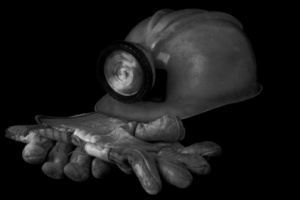
Mining deaths sharply higher in 4th quarter, following record low fatality rates
 According to preliminary data released by the U.S. Department of Labor's Mine Safety and Health Administration (MSHA) 42 miners died in work-related accidents at the nation's mines in 2013, an increase from the 36 miners who died in 2012.
While mining fatalities occurred at a record low rate for the first three quarters of 2013, during the fourth quarter of 2013, six coal miners and nine metal/nonmetal miners died in mining accidents, a significant increase from the same period in 2012, when four coal miners and two metal/nonmetal miners died.
“Mining deaths are preventable, and those that occurred in 2013 are no exception,” said Joseph A. Main, assistant secretary of labor for mine safety and health. “While we have made a number of improvements and have been moving mine safety in the right direction, the increased number of metal/nonmetal deaths makes clear we need to do more to protect our nation’s miners.
“It takes the entire mining community to continue to reach new milestones in health and safety,” he added. “Miners need the reassurance that they will return home safe and healthy after every shift.”
Fewer contractor deaths
Last year, there were 20 coal mining and 22 metal/nonmetal mining fatalities, compared with 20 and 16, respectively, in 2012. Four mining deaths in 2013 involved contractors (two each in coal and metal/nonmetal), marking the fewest number of contractor deaths since MSHA began maintaining contractor data in 1983.
Fourteen of the coal mining deaths occurred underground and six occurred at surface operations. In metal/nonmetal mining, five deaths occurred underground, and 17 occurred at surface operations.
Most common causes
The most common causes of mining accidents in 2013 involved machinery and powered haulage equipment. West Virginia had the most coal mining deaths, with six, and Kentucky had the most metal/nonmetal mining deaths, with four.
Preliminary fatality and injury rate data for the first three quarters of 2013 were .0112 and 2.45, respectively, below the rates for the same period in 2012, which marked the lowest such rates recorded in a calendar year in mining history. [Note: Rates are determined by the number of fatalities or injuries per 200,000 hours worked. Rates for calendar year 2013, which are calculated using operator-reported employment hours, are not yet available.]
For fiscal year 2013 (Oct. 1, 2012, through Sept. 30, 2013), preliminary data indicate a record-low fatality rate of .0104 and injury rate of 2.42, as well as the fewest number of mining deaths at 33.
Preventive measures
Main stressed that, to prevent deaths, mine operators must: maintain effective safety and health management programs that are constantly evaluated, continue find-and-fix programs to identify and eliminate mine hazards, and provide training for all mining personnel.
Among the measures MSHA has undertaken to prevent mining deaths are: increasing surveillance and strategic enforcement through impact inspections at mines with troubling compliance histories; enhancing pattern of violations actions; implementing special initiatives, such as “Rules to Live By,” which focuses attention on the most common causes of mining deaths; and engaging in outreach efforts with the mining community.
An analysis of mining fatalities, along with best practices for mining operations, is available at www.msha.gov/fatals/summaries/summaries.asp. Main’s “From the Assistant Secretary's Desk – 4th quarter 2013 mining fatalities and end-of-year summary” is available at www.msha.gov/FromtheDesk/FromtheDesk162014.asp.
Twice the average rate
Safety precautions that could prevent these deaths are often lacking. Inadequate plan reviews for ventilation, controlling the roofs of underground mines, and other issues by the Mine Safety and Health Administration (MSHA) have been linked to several mine disasters, such as the one at the Upper Big Branch Mine that killed 29 people. The Colorado mine where two workers died in November has an accident rate more than twice the national average. That mine also received 11 citations from MSHA in 2013, paying nearly $4,000 in penalties.
Starved for funding
Yet MSHA and the Occupational Safety and Health Administration (OSHA), the agencies meant to ensure worker safety and prevent these unnecessary deaths and accidents, have long been starved of funding and hampered by a lack of resources. President Obama’s budget called for lower MSHA funding, and in the light of a smaller budget the agency said it will focus on enforcing health and safety standards in coal mines and inspections of non-coal mines while reducing resources for reviewing plans, offering information, and conducting education and training. OSHA has fared even worse, unable to hire and retain inspectors in part due to low pay and conducting so few workplace inspections that the average site will only see an inspector every 99 years. If these agencies aren’t shielded from cuts in the current budget allocation process, things could get a whole lot worse.
Mining isn’t the only industry to experience workplace fatalities. An average of 13 workers died on the job every day in 2011. Last year saw a string of deadly accidents in other industrial facilities, including the fertilizer plant explosion that killed 14 people in West, Texas, as well as two other chemical plant explosions in Louisiana, a grain plant accident in Indiana, and a gas tank plant explosion in Florida.
Looking for a reprint of this article?
From high-res PDFs to custom plaques, order your copy today!