ISHN logo
search
cart
facebook twitter linkedin youtube
  • Sign In
  • Create Account
  • Sign Out
  • My Account
ISHN logo
  • NEWS
    • Today's News
    • Global Safety News
    • Government Regulations
  • PRODUCTS
    • Product Innovations
    • Featured Products
  • TOPICS
    • Environmental Health and Safety
    • Facility Safety
    • Workplace Health
    • Occupational Safety
    • PPE
    • More Topics
  • CONSTRUCTION
  • TECHNOLOGY
  • COLUMNS
    • Best Practices
    • Dave Johnson: What’s going on
    • Editorial Comments
    • Leading Safety
  • MULTIMEDIA
    • ISHN Podcast
    • Videos
    • Cold Stress Education Quiz
    • Webinars
    • White Papers
  • MORE
    • Buyer's Guide
    • Newsletters
    • Convention Companion
    • Polls
    • Events
    • ISHN Store
    • Sponsor Insights
  • EMAGAZINE
    • eMagazine
    • Archived Issues
    • Contact
    • Advertise
  • JOIN TODAY!
Today's Safety NewsWorkplace Health

Processed red meat linked to higher risk of heart failure, death in men

June 17, 2014

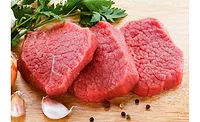
heart attackMen who eat moderate amounts of processed red meat may have an increased risk of incidence and death from heart failure, according to a study in Circulation: Heart Failure, an American Heart Association (AHA) journal.

Bacon, hot dogs, etc.

Processed meats are preserved by smoking, curing, salting or adding preservatives. Examples include cold cuts (ham, salami), sausage, bacon and hot dogs.

“Processed red meat commonly contains sodium, nitrates, phosphates and other food additives, and smoked and grilled meats also contain polycyclic aromatic hydrocarbons, all of which may contribute to the increased heart failure risk,” said Alicja Wolk, D.M.Sc., senior author of the study and professor in the Division of Nutritional Epidemiology at the Institute of Environmental Medicine, Karolinska Institutet in Stockholm, Sweden. “Unprocessed meat is free from food additives and usually has a lower amount of sodium.”

The Cohort of Swedish Men study — the first to examine the effects of processed red meat separately from unprocessed red meat — included 37,035 men 45-79 years old with no history of heart failure, ischemic heart disease or cancer. Participants completed a questionnaire on food intake and other lifestyle factors and researchers followed them from 1998 to the date of heart failure diagnosis, death or the end of the study in 2010.

After almost 12 years of follow-up, researchers found:

  • Heart failure was diagnosed in 2,891 men and 266 died from heart failure.
  • Men who ate the most processed red meat (75 grams per day or more) had a 28 percent higher risk of heart failure compared to men who ate the least (25 grams per day or less) after adjusting for multiple lifestyle variables.
  • Men who ate the most processed red meat had more than a 2-fold increased risk of death from heart failure compared to men in the lowest category.
  • For each 50 gram (e.g. 1-2 slices of ham) increase in daily consumption of processed meat, the risk of heart failure incidence increased by 8 percent and the risk of death from heart failure by 38 percent.
  • The risk of heart failure or death among those who ate unprocessed red meat didn’t increase.

At the beginning of the study, participants completed a 96-item questionnaire about their diet. Processed meat questions focused on consumption of sausages, cold cuts (ham/salami), blood pudding/sausages and liver pate over the last year. Unprocessed meat questions covered pork and beef/veal, including hamburger or ground-minced meat.

Results of the study for total red meat consumption are consistent with findings from the Physicians’ Health Study, in which men who ate the most total red meat had a 24 percent higher risk of heart failure incidence compared to those who ate the least.

Dietary recommendations

“To reduce your risk of heart failure and other cardiovascular diseases, we suggest avoiding processed red meat in your diet, and limiting the amount of unprocessed red meat to one to two servings per week or less,” said Joanna Kaluza, Ph.D., study lead author and assistant professor in the Department of Human Nutrition at Warsaw University of Life Sciences in Poland. “Instead, eat a diet rich in fruit, vegetables, whole grain products, nuts and increase your servings of fish.”

Researchers said they expect to find similar associations in a current study conducted with women.

Almost 6 million Americans have heart failure and about 50 percent die within five years of diagnosis. The health care costs and loss of productivity due to heart failure are an estimated $34 billion each year, researchers said.

The American Heart Association recommends that people eat a dietary pattern that emphasizes fruits, vegetables, whole grains, low-fat dairy products, poultry, fish, and nuts while limiting red meat and sugary foods and beverages. For people who eat meat, choose lean meats and poultry without skin and eat fish at least twice a week – preferably fish high in omega-3 fatty acids such as salmon, trout, and herring.

Additional Resources: The American Heart Association's Diet and Lifestyle Recommendations

KEYWORDS: cardiovascular health heart attack meat consumption

Share This Story

Looking for a reprint of this article?
From high-res PDFs to custom plaques, order your copy today!

Recommended Content

JOIN TODAY
to unlock your recommendations.

Already have an account? Sign In

  • forklift safety

    Exploring the latest technologies in forklift safety

    With more staff and more stock in warehousing now more...
    Workplace Training Strategies
    By: Josh Cramer
  • welding

    All about welder’s flash or arc eye

    A flash burn is a painful inflammation of the cornea,...
    Environmental Health and Safety
  • dangerous jobs

    The 10 most dangerous jobs in the U.S.

    On-the-job deaths have been rising — hitting the highest...
    Occupational Safety
    By: Benita Mehta
Manage My Account
  • eMagazine Subscriptions
  • ISHN Newsletter & Other Newsletter Alerts
  • Online Registration
  • Manage My Preferences
  • Subscription Customer Service

More Videos

Sponsored Content

Sponsored Content is a special paid section where industry companies provide high quality, objective, non-commercial content around topics of interest to the ISHN audience. All Sponsored Content is supplied by the advertising company and any opinions expressed in this article are those of the author and not necessarily reflect the views of ISHN or its parent company, BNP Media. Interested in participating in our Sponsored Content section? Contact your local rep!

close
  • man wearing the the Sundström SR200 Full Face Mask Respirator
    Sponsored byOHD

    5 Fit Testing Mistakes That Could Cost You

  • This image shows Magid AcuSpex polarized blue mirrored safety glasses.
    Sponsored byMagid Glove and Safety

    Construction PPE Guide: What Crews Need for Each Task

  • lone worker in confined space
    Sponsored byAlphasense Ltd.

    GET THE LEAD OUT of your Safety Oxygen Sensors!

Popular Stories

SpaceX 7 launch

OSHA Investigating Fatal Fall at SpaceX Starbase

Worker Impairment

How to Tell When a Co-Worker is Impaired? A Safety Pro’s Challenge

Automated loading dock equipment

After March 2026 Rivian Death, Safety Managers Reassess Loading Dock Systems Under OSHA's Warehouse Emphasis Program

top 10 most dangerous jobs

Poll

Seasonal Readiness

With the federal heat stress prevention rule on the horizon, which area of your safety program needs the most attention?
View Results Poll Archive

Products

Surviving an OSHA Audit A Management Guide, 2nd Edition

Surviving an OSHA Audit A Management Guide, 2nd Edition

See More Products

ISHN Podcasts

Related Articles

  • Insomnia tied to higher risk of heart disease, stroke

    See More
  • depression

    Concussion linked to higher risk of suicide years later

    See More
  • red meat

    A high protein diet raises risk of heart failure

    See More

Related Products

See More Products
  • 1119906652.webp

    Alive and Well at the End of the Day: The Supervisor's Guide to Managing Safety in Operations, 2E

  • 1118911040.jpg

    Risk Assessment: A Practical Guide to Assessing Operational Risks

See More Products

Related Directories

  • American Heart Association

×

Become a Leader in Safety Culture

Build your knowledge with ISHN, covering key safety, health and industrial hygiene news, products, and trends.

JOIN TODAY
  • RESOURCES
    • Advertise
    • Contact Us
    • Directories
    • Manufacturing Division
    • Store
    • Want More
  • SIGN UP TODAY
    • Create Account
    • eMagazine
    • Newsletters
    • Customer Service
    • Manage Preferences
  • SERVICES
    • Marketing Services
    • Reprints
    • Market Research
    • List Rental
    • Survey/Respondent Access
  • STAY CONNECTED
    • LinkedIn
    • Facebook
    • YouTube
    • X (Twitter)
  • PRIVACY
    • PRIVACY POLICY
    • TERMS & CONDITIONS
    • DO NOT SELL MY PERSONAL INFORMATION
    • PRIVACY REQUEST
    • ACCESSIBILITY

Copyright ©2026. All Rights Reserved BNP Media, Inc. and BNP Media II, LLC.

Design, CMS, Hosting & Web Development :: ePublishing