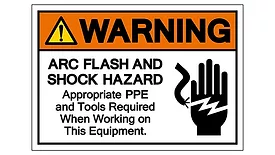
A fatal forklift accident, the health implications of housing conditions and climate change and arc flash myths were among this week’s top EHS-related stories featured on ISHN.com.
A crew from the Los Angeles Department of Water & Power was working upgrading the battery room at a receiving substation. (The room provided emergency power for up to 8 hours.) The electric utility had purchased replacement batteries from RSC in Wilmington, CA.
1 - Arc flash explosions do not happen… I have never seen one… Electrical work by its nature is dangerous due to the high energy levels involved and, until an accident occurs, electricity is odorless, colorless, and invisible. Electrical work is the third most dangerous profession, according to OSHA.
How to get ready for the upcoming GHS label deadline, commuter railroad safety and a first for AIHce were all in the EHS-related news featured on ISHN.com this week.
National Fire Protection Association, National Safety Council, and Bureau of Labor Statistics data indicate that 10 arc flash accidents happen every day in the U.S. More than 3,600 disabling electrical contact injuries happen every year. Last year in Oregon two workers were seriously burned in arc flash incidents:
An arc flash occurs during a fault, or short circuit condition, which passes through as arc gap. The flash can be initiated through accidental contact, equipment which is underrated for the available short circuit current, contamination or tracking over insulated surfaces, deterioration or corrosion of equipment and, or parts, and other causes.
Company inspected after worker fell through a roof
April 30, 2014
Republic Steel has agreed to settle health and safety violations at the company’s facilities in Lorain, Canton and Massillon, Ohio, as well as Blasdell, N.Y.