The decision to restructure NIOSH will have severe consequences for both U.S. workers and the public, especially concerning their respiratory protection approval process.
This restructuring marks a significant shift in workplace safety oversight, with many experts fearing a loss of scientific expertise, reduced regulatory effectiveness, and an increase in workplace hazards.
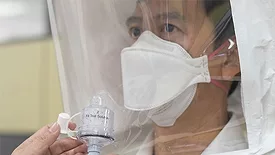
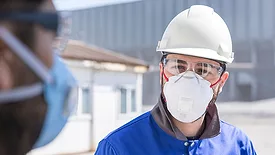
Closing the lab that tests and approves all occupational respiratory equipment brings into question whether or not respirators will be independently certified in the future.
The list of hazardous drugs is designed to assist employers in identifying drugs that are hazardous to the health and safety of workers who handle these drugs.
Pedestrians walking by a construction site may be momentarily shaken by the noise generated from heavy equipment, but what about the construction workers themselves?
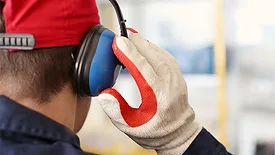
A new study by NIOSH reports that more than half (53%) of the workers don’t use hearing protection “always” or “usually” when encountering dangerous noise levels.
The guide provides a structure by which employers can assess, plan, and implement strategies and practices that support mine worker mental health and address harmful opioid use.