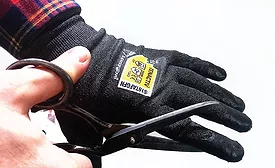
When talking about the biggest pain points customers face, cut resistance always tops the list. To ease the confusion, we’ve compiled a list of ten tips for choosing the right cut-resistant gloves.
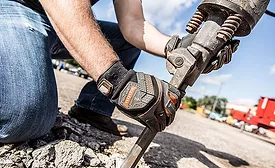
Experts say about two million U.S. workers are exposed to hand-arm vibration on the job and as many as half of them will develop Hand-Arm Vibration Syndrome (HAVS). Here’s a look at what causes HAVS, how to recognize symptoms and how to mitigate the damage.
Currently, there are no hand protection standards for measuring hand impact reduction. Manufacturers are not required to test the impact protection of their gloves, so how do you evaluate and compare impact protection offered by various glove models?
The primary way to avoid hand and finger injuries is to ensure hands are kept out of the “danger zone” while a work task is performed. Evaluate each work task and ensure that it is being performed in the safest manner possible. Personal responsibilities to keep your hands out of the “danger zone” include:
Selecting the right tool for the job is as critical to preventing injury as it is to getting the job done right. Educate employees on the proper tool selection and the risks in improvising (i.e. using a screwdriver as a chisel). Stress the importance of operating tools according to the manufacturers’ instructions. Walk employees through the correct use and storage of the device to prevent accidents that could easily be avoided.
Your hands and wrists are a complex system of bones, muscles and tendons, ligaments, blood vessels and nerves protected by layers of skin. A total of 27 hand and wrist bones are connected to the muscles by tendons. Ligaments join bones together and hold the joints in place.
When using machinery, pinch points can catch workers when they are not looking. Pulleys and belts can form in-running nips, a type of pinch point that can draw the hand in and cause severe damage. Here’s what to do:
Wear work gloves when handling rough materials and when hands are directly involved with lifting or moving objects.
A breakdown of the five most common hand injuries in the workplace include lacerations (63%), crushes (13%), avulsions or detachments (8%), punctures (6%) and fractures (5%), according to the Safety and Health Council of North Carolina.
Hand injuries resulting from cuts and puncture cost the construction industry approximately $382 million each year, second only to back strain and sprain injury, according to the BLS.
Every year work gloves and sleeves improve to offer stronger protection with higher cut resistance and better insulation from heat. And while these innovations are crucial to safety, another equally important aspect of protection is comfort.