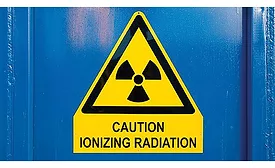
That “CAUTION IONIZING RADIATION” yellow and black warning sign is intimidating enough to frighten anyone – as though any thought of radiation exposure is enough to us running for SCBAs, chemical suits, and bunkers.
Residents of the Fukushima area and the rest of Japan will experience more than 10,000 excess cancer deaths as a result of radiation exposure from the triple-reactor meltdown that took place on March 11, 2011, according to a new report from Physicians for Social Responsibility (PSR) and International Physicians for the Prevention of Nuclear War (IPPNW).
The objective of the Department of Energy’s Radiation Protection Program (RPP) is to ensure radiation exposures to DOE workers and the public, and releases of radioactivity to the environment, are maintained below regulatory limits, and deliberate efforts are taken to further reduce exposures and releases as low as reasonably achievable.
Potential eye hazards against which protection is needed in the workplace are: Projectiles (dust, concrete, metal, wood and other particles); Chemicals (splashes and fumes); Radiation (especially visible light, ultraviolet radiation, heat or infrared radiation, and lasers); Bloodborne pathogens (hepatitis or HIV) from blood and body fluids.
QRAE 3’s advanced wireless functionality delivers hazard data 24/7/365 to increase worker, asset, and responder safety
February 10, 2014
RAE Systems Inc., the leader in wirelessly connected gas and radiation detection solutions, today introduced the industry’s first wireless, portable, 4-gas pumped and diffusion gas monitor that will significantly enhance worker safety in industrial environments and better protect first responders.
Radiation has added a new dimension to the industrial safety manager/hygienist’s role – a dimension that includes greater time pressures in response, identification, isolation and protection.