MSD rates in construction take a surprising turn, Amazon criticized in new report and workplace safety experts want Congress to take it slow on marijuana legalization. These were among the top stories featured on ISHN.com this week.
Some 250 cardiovascular disease patients, survivors, caregivers, researchers descended on Washington, D.C. this week to urge lawmakers to remove flavored tobacco products, including e-cigarettes, cigars and menthol cigarettes, from the market.
The activists, part of the American Heart Association’s (AHA) You’re the Cure grassroots network, were in the nation’s capital for congressional hearings about the health threats of electronic cigarettes.
A new report from the CDC sheds some possible light on the spate of lung injuries associated with e-cigarette use. Although the exact cause of the injuries is unknown, the latest findings – which were published in the CDC’s Morbidity and Mortality Weekly Report (MMWR) – suggest that THC products are playing a role in the outbreak.
If you have certain health problems, you could be at higher risk for early death
October 2, 2019
Middle-aged adults with high blood pressure, Type 2 diabetes, heart disease or stroke could be at high risk for cancer and early death when sleeping less than six hours per day, according to new research published in the Journal of the American Heart Association, the open access journal of the American Heart Association (AHA).
Contrary to previously announced plans, OSHA will not revoke all of the ancillary provisions in its Beryllium Standards for Construction and Shipyards. Beryllium is a strong, lightweight metal used in the aerospace, telecommunications, information technology, defense, medical, and nuclear industries. Workers who are exposed to beryllium – by inhaling or contacting it in the air or on surfaces - are at risk for developing beryllium disease and lung cancer.
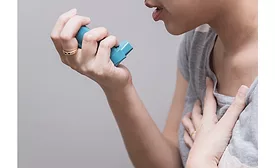
Two recent studies by the National Institute for Occupational Safety and Health (NIOSH) are shedding light on how to prevent work-related asthma by controlling exposure to hazardous substances. Work-related asthma can occur when workplace exposure to a hazardous substance triggers symptoms in someone with asthma or causes new asthma to occur in someone who doesn’t already have it.
We all know that washing our hands can keep us from spreading germs and getting sick. But a new Rutgers-New Brunswick study found that cool water removes the same amount of harmful bacteria as hot. “People need to feel comfortable when they are washing their hands but as far as effectiveness, this study shows us that the temperature of the water used didn’t matter,” said Donald Schaffner, distinguished professor and extension specialist in food science.
According to the U.S. Centers for Disease Control and Prevention, prediabetes is a serious health condition in which blood sugar levels are higher than normal, but not high enough to meet the threshold for type 2 diabetes. The federal agency says that some 84 million Americans ages 18 or older — more than one out of three — have prediabetes but 90% don’t know it.
An oil company that puts safety first – and one that doesn’t; a surprising hazard for firefighters and how cooperating with an OSHA investigation got two workers fired – then got them a million dollar settlement. These were among the top occupational safety and health stories featured on ISHN.com this week.
Mesothelioma cancer is the most fatal among asbestos-related diseases. The cancer presents itself 20 to 50 years after exposure and may originate in the lungs, heart, or abdominal cavity. The disease will begin to form after inhalation or ingestion of airborne asbestos particles. Due to the generic symptoms a patient may experience, late stage diagnosis is a common occurrence among mesothelioma patients.