Some 59 percent of fire stations in the U.S. are not equipped with exhaust emission control systems, which are critical for mitigating firefighter exposure/keywords/13730-occupational-exposure to diesel fumes. Exposure to these fumes can increase the likelihood of cardiovascular disease, cardiopulmonary disease, respiratory disease, and lung cancer. Many firefighters sleep in fire stations because they work extended shifts – an arrangement which increases their chance of exposure.
Soft drinks – whether diet versions or in their regular, sugar-laden form – are associated with a higher risk of dying from any cause, according to new research published in JAMA Internal Medicine. The study titled, Association Between Soft Drink Consumption and Mortality in 10 European Countries, is the largest of its kind to date. This study found even in people of a healthy weight, sugary and diet drinks increase risk of dying from circulatory and digestive disease.
The U.S. Department of Labor's Mine Safety and Health Administration (MSHA) has published a Request for Information (RFI) in the Federal Register seeking data on economically and technologically feasible methods to protect miners' health from exposure to quartz. The RFI includes an examination of an appropriately reduced permissible exposure limit, potential new or developing protective technologies, and/or technical and educational assistance.
How Artificial Intelligence could affect workplace safety, a trench collapse results in felony charges for an employer and a preview of the 2019 Congress & Expo were among the top occupational and health stories featured on ISHN.com this week.
While vaping appears to be at the root of the growing number of people struck by pulmonary-related illnesses after vaping, the Centers for Disease Control’s (CDC) investigation into the cluster of illnesses is ongoing. To date, 193 cases of such illnesses have been reported across 22 states, with one death – Illinois.
American Lung Association (ALA) Chief Medical Officer Albert Rizzo, M.D. called the developments “alarming.”
People suffering from insomnia may have an increased risk of coronary artery disease, heart failure and stroke, according to new research in the American Heart Association’s journal Circulation.
Previous observational studies have found an association between insomnia, which affects up to 30% of the general population, and an increased risk of developing heart disease and stroke.
OSHA may “broaden the circumstances” under which certain employers would be permitted to comply with its Respirable Crystalline Silica Standard for Construction, according to a request for information and comment issued by the agency last week.
OSHA is looking for information on additional engineering and work practice control methods to effectively limit exposure to silica.
“While you don’t have to give up foods derived from animals completely, our study does suggest that eating a larger proportion of plant-based foods and a smaller proportion of animal-based foods may help reduce your risk of having a heart attack, stroke or other type of cardiovascular disease,” said lead researcher, Casey M. Rebholz, Ph.D., assistant professor of epidemiology at Johns Hopkins Bloomberg School of Public Health, Baltimore, Maryland.
75 million people in the U.S. have high blood pressure
August 14, 2019
In a study that spanned two and a half decades and looked at data from more than 4,700 participants, Johns Hopkins researchers have added to evidence that abnormal blood pressure in midlife persisting into late life increases the likelihood of developing dementia. Although not designed to show cause and effect, the study suggests that maintaining a healthy blood pressure throughout life may be one way to help decrease one’s risk of losing brain function.
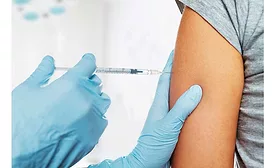
Prepping for back-to-school means buying new supplies, clothes, and backpacks, but it's also time to make sure your children are protected from cancer. This fall, the American Cancer Society (ACS) is reminding parents that making sure girls and boys ages 11-12 receive the HPV (human papillomavirus) vaccine should be part of the back-to-school routine.