Some 2,561 people were hospitalized last year for lung injuries associated with e-cigarette, or vaping, product use EVALI, according to the CDC. EVALI hospitalizations or deaths were reported by all 50 states, the District of Columbia, and 2 U.S. territories (Puerto Rico, and the U.S. Virgin Islands).
More physical activity linked to lower risk for several cancer types
January 2, 2020
A pooled analysis of nine prospective studies involving more than 750,000 adults finds that recommended amounts of leisure-time physical activity were linked to a lower risk for seven cancers, with several cancer types having a ‘dose/response’ relationship. The study was led by investigators at the National Cancer Institute, the American Cancer Society (ACS), and the Harvard T.H. Chan School of Public Health.
People distracted by their cellphones are tripping, falling and hurting their heads and necks more often, with such injuries increasing “steeply” over a 20-year period, a new analysis has found.
Even a modest amount of sustained weight loss is associated with lower breast cancer risk for women over 50
December 24, 2019
A large new study finds that women who lost weight after age 50 and kept it off had a lower risk of breast cancer than women whose weight remained stable, helping answer a vexing question in cancer prevention. The reduction in risk increased with the amount of weight lost and was specific to women not using postmenopausal hormones.
In 1998, an historic landmark legal settlement between 46 states and the major tobacco companies, – along with individual settlements with four other states – required the companies to pay more than $246 billion over time as compensation for tobacco-related health care costs.
From an outbreak of mysterious lung-injury deaths to America’s near loss of measles elimination status, the beginning of the end of the U.S. HIV epidemic to the Ebola outbreak in the Democratic Republic of the Congo (DRC), CDC worked around the clock – and around the globe – to protect Americans from domestic and global health threats in 2019.
A pattern of harmful alcohol consumption, or heavy drinking, increases level of blood biomarkers indicating heart tissue damage, according to new research published today in the Journal of the American Heart Association, the open access journal of the American Heart Association.
Air pollution is known to be a serious health risk –a cause of asthma, heart disease, stroke, lung cancer and a factor, according to the World Health Organization, in an estimated seven million deaths worldwide every year. A growing body of research suggests air pollution may also be harming our brains.
In recent years, new areas of study have opened up into how air pollution might affect our minds and the way we think and feel.
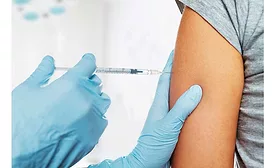
Although the CDC recommends that people get vaccinated for the flu early in the fall, getting vaccinated now can still be beneficial in protecting you from the flu virus. Furthermore, vaccination should continue to be offered throughout the flu season, even into January or later.
Prediabetes: An emerging health threat can lead to type 2 diabetes
December 9, 2019
Nearly 1 in 5 adolescents aged 12-18 years, and 1 in 4 young adults aged 19-34 years, are living with prediabetes, according to a new CDC studyexternal icon published in JAMAexternal icon Pediatrics.
Prediabetes is a health condition in which blood sugar levels are higher than normal, but not yet high enough to be diagnosed as type 2 diabetes.