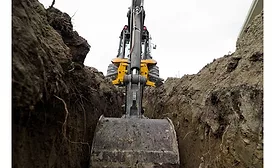
22 workers have perished in first half of 2022, a 68 percent increase over all of 2021
July 20, 2022
In 2022’s first six months, 22 workers have fallen victim to the deadly hazards present in trenching and excavation work – surpassing 15 in all of 2021 – and prompting OSHA to launch enhanced enforcement initiatives to protect workers from known industry hazards.
In mid-December, the U.S. Bureau of Labor Statistics released their annual report on fatalities and injuries in the workplace. The report details specific data from the year prior.
The U.S. Department of Labor’s Occupational Safety and Health Administration has cited the employer involved in a February 2021 double fatality at a downtown Boston worksite and his successor company again for failing to provide employees with essential and required safeguards, this time at an East Boston residential construction site.
A federal investigation into fatal injuries suffered by an 86-year-old worker at a Henderson sawmill and pallet manufacturer found the company exposed workers to hazardous energy sources and lack of machine guarding.
The U.S. Department of Labor’s Occupational Safety and Health Administration reminds employers that the agency began collecting calendar year 2021 Form 300A data on Jan. 2, 2022. Employers must submit the form electronically by March 2, 2022.
What if we could crowdsource our EHS data? A prime example focuses on the safety successes of the U.S. airline industry - no commercial U.S. airline has experienced a fatal crash since 2009! Their safety strategy has been so effective that the healthcare industry, which currently experiences 250,000 unnecessary patient deaths a year in the U.S., is attempting to follow its protocols. So, what has helped the airline industry achieve such immense safety feats and how can EHS leaders in industries outside of the airline industry take a page out of their book?