The tens of thousands of people affected by Hurricane Harvey will be contending with more than rebuilding their homes, according to the American Psychological Association (APA).
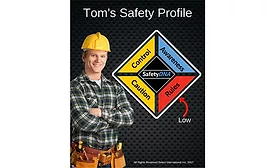
Personal safety remains a constant challenge that employees face primarily on their own. How each perceives and responds to workplace exposures, ultimately determines their likelihood of being injured.
A type of employment agreement primarily used in Great Britain may have a negative effect on both the mental and physical health of workers, according to a new study.
Nearly half of U.S. workers surveyed in a recently released Rand Corporation report say they are exposed to unpleasant and potentially hazardous working conditions.
The approximately 50 people a year who are struck and killed by New York City subway trains are often kept in worker break rooms – sometimes for hours – until the city’s medical examiner comes to remove them.
A computer simulation of system dynamics modeling showed that greater job control and lower job demands had the greatest impact on perceived stress among nursing home aides, NIOSH-funded investigators report in the journal BMC Health Services Research. System dynamics modeling is a method for researching complex relationships.
People who experience not just positive emotions but a diversity of positive emotions appear to have lower levels of systemic inflammation, which may reduce their risk for chronic diseases such as diabetes and heart disease, according to research published by the American Psychological Association (APA).
A new report finds cancer caregivers suffer a steady decline in physical health compared to controls, and that symptoms of depression were the only significant predictor of caregivers’ physical health decline. Writing in Cancer, the authors say assessing and addressing depressive symptoms among caregivers early in the cancer survivorship trajectory may help to prevent premature health decline among this important, yet vulnerable population.
Behavior-based safety has been practiced since the Ford Motor Company used it to increase seat belt usage in 1970s. Controversy has dogged it ever since, especially in the 1980s and 1990s when the BBS bandwagon attracted a small army of consultants.
Some of the sessions taking place this week have been dubbed “Super Sessions” due to their focus on key issues in the safety industry. One such Super Session Tuesday morning took place on the expo floor and spoke of the dangers of complacency.
 RSS
RSS