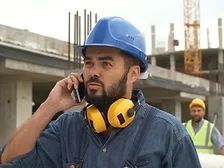
Many industries once used asbestos in a wide range of products, from insulation to fire retardants. It is now understood that exposure to this dangerous mineral can lead to fatal diseases, such as mesothelioma and lung cancer.
Industry 4.0 revolutionized the way manufacturers design, create, and distribute their products. Its focus was on efficiency and productivity using the industrial internet of things (IIOT), machine-to-machine (M2M) communication, and automation. However, in early 2021 the European Commission released a report introducing Industry 5.0, focusing on the wellbeing of the worker within the production process.
With increasingly distributed workforces tackling more complex challenges, EHS leaders realize it’s no longer feasible to rely on paper systems or static desktop applications to manage risks and compliance.
Many employers view mobile devices as a distraction that can drain employee time and productivity if not used according to company policy. That can have real bottom line impacts.
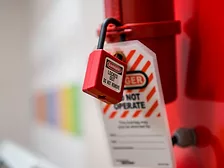
Utilities, equipment, machines, and HVAC systems often have sources of hazardous energy that require isolation during demolition and construction activities to keep contractor employees safe.
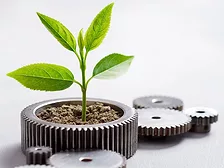
Today, sustainability is more than just an afterthought when it comes to cleaning parts, it is a necessity that affects both the environment and workers on the production line.
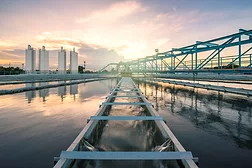
Many organizations are now actively working to improve community relations and prove to their neighbors, vendors, and customers that they are striving to be environmentally sensitive and promote sustainability. Reducing water consumption is one way they are accomplishing this.
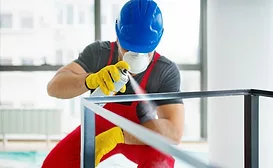
Painting is common across many manufacturing facilities and doesn’t appear to be particularly dangerous on the surface. Despite all appearances, workers in these areas may encounter more health hazards than they realize.
It cannot be denied that many industrial facilities in the U.S. have stopped or reduced the number of cleaning products and paper goods they purchase through distributors, often referred to as "jansan" distributors.
California has had its fair share of fires over the years, especially the wild variety. This year’s wildfires have already burned more than 1 million acres, and nearly a dozen are still ablaze. Now, the Golden State is facing an uptick in warehouse fires in some of its biggest and most populated cities, including Oakland, Carson and El Sereno.
 RSS
RSS