May is National Electrical Safety Month and the Electrical Safety Foundation International (ESFI) is launching its annual effort to help reduce electrically-related fatalities, injuries, and property loss. This year’s campaign theme is "Understanding the Code that Keeps us Safe," which features resources focusing on the importance of the National Electrical Code and its three year cycle.
Workers at a Wisconsin mill believed that conditions at the mill were “normal” just before a combustible dust explosion that killed five employees.
That’s one of the startling findings of a Factual Investigative Update released by the U.S. Chemical Safety Board (CSB), which is investigating the May 31, 2017 incident at the Didion Milling facility in Cambria, Wisconsin.
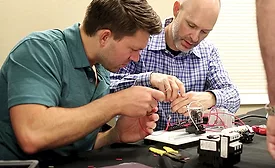
Training, therefore, is perhaps the most essential part of an electrical safety program, but arc flash and electrical safety training comes in many formats and lengths, so it’s essential that the training is effective for electrical Qualified Persons.
The U.S. Chemical Safety Board (CSB) has dispatched a four-person investigative team from to the scene of yesterday’s explosions and fire at a Husky Energy oil refinery in Superior, Wisconsin. Eleven people were initially reported injured in the blast, which occurred as workers were shutting the refinery down in preparation for a five-week turnaround.
A company’s failure to realize that welding work was being done near flammable materials was behind a fatal explosion, according to the U.S. Chemical Safety Board (CSB), which has released its final investigation report into the February 8, 2017, blast at the Packaging Corporation of America’s (PCA’s) DeRidder, Louisiana, pulp and paper mill.
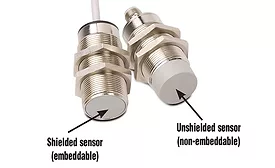
Many proximity sensors are used in automated equipment, so it’s good to have a basic understanding of these critical devices. Proximity sensors allow non-contact detection of machine tooling and objects in a variety of automation applications.
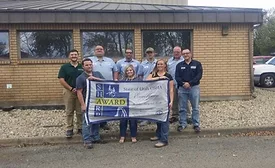
Ten. Six. Zero. Those are important numbers for a Utah animal feed manufacturer Balchem Corporation. The company recently celebrated ten years in OSHA’s Safety and Health Achievement Recognition Program, and six years of maintaining an annual recordable injury and illness case rate of zero. That last accomplishment resulted in reductions in its worker compensation insurance premiums.
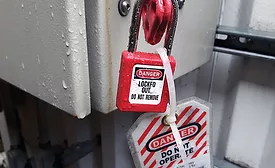
The eternal battle is production versus safety, and at the very center of this is lockout, or better – avoiding lockout. The complaint, by both production and maintenance is that locking out equipment takes too long, or if they lockout, getting the machine back on line could be difficult.
Choosing the appropriate safety knife for your company is an important decision that directly impacts your employees’ safety and your company’s brand. Many factors need to be discussed and assessed.
Ever since 9/11 and the creation of the Department of Homeland Security, chemical plant security has been a top concern for national policy makers, the petro-chemical industry and the environemental community. But most of the concern has been about the threat of physical attack — bombs, missiles, etc.
 RSS
RSS