A sudden catastrophic loss of heart function, or cardiac arrest, occurred significantly less among adults who acquired health insurance via the Affordable Care Act (ACA), according to new research in Journal of the American Heart Association, the Open Access Journal of the American Heart Association/American Stroke Association.
Fun in the sun will be on everyone’s list of things to do during the spring and summer months, but these are not the only times you should practice protective measures. Keeping yourself and others protected from UV radiation is an important, year-round responsibility.
In today’s industry, computer use and use of digital devices is not limited to the office worker, but occurs in every shop floor, laboratory and other production facility. Manufacturing and industrial operations have computers or other digital screens in many aspects of their operations.
What would the 4th of July be without fireworks? The nation’s favorite summertime holiday is celebrated with fireworks ranging from sparklers for the kids to spectacular pyrotechnics displays for entire communities.
Those shows can involve considerable hazards for those responsible for making sure they go off without a hitch.
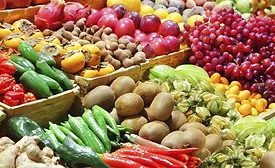
Recent estimates show about 10 percent or fewer U.S. adults and children get the recommended 4.5 cups of total fruits and vegetables per day.[1] The American Heart Association (AHA), the world’s leading voluntary organization dedicated to building healthier lives, free of cardiovascular diseases and stroke, continues its efforts to change attitudes and behaviors about nutrition during its first-ever Healthy for Good Movement™ campaign supporting National Fresh Fruit and Vegetable Month in June.
Effective patient education includes more than brochures and written patient information. It should be tailored to a patient’s ability to understand recommendations to help them manage their health and control their risk factors, according to an American Heart Association (AHA) scientific statement published in the Association’s journal Circulation: Cardiovascular Quality and Outcomes.
The fight to protect public health is more important than ever.
The Senate is moving quickly — and secretively — on their version of legislation to repeal the Affordable Care Act. While we don’t know the content of the bill, we do know that the House-passed repeal bill — the American Health Care Act — would cause over 23 million people to lose their health care, restructure Medicaid, pare down essential benefits like maternity and newborn care, result in the loss of over a million American jobs, and zero out the Prevention and Public Health Fund.
More than 200 scientists and public health advocates are urging regulators to take a closer look at the potential dangers of antimicrobial chemicals including triclosan, an additive that has been banned from hand soaps but remains an active ingredient in products ranging from building materials to Colgate’s Total toothpaste.
Most U.S. employees are not prepared to handle cardiac emergencies in the workplace because they lack training in CPR and First Aid, according to new survey results from the American Heart Association (AHA), the world’s leading voluntary health organization devoted to fighting cardiovascular disease.
The American Heart Association (AHA) wants to set the record straight: scientific research overwhelmingly supports limiting saturated fat in the diet to prevent diseases of the heart and blood vessels.
 RSS
RSS