The U.S. Labor Department (DOL) has proposed a delay in the effective date of the final rule on Examinations of Working Places in Metal and Nonmetal Mines -- from May 23, 2017, to July 24, 2017.
While regulations are being rolled back at the federal level, the state of California is implementing new ones, including a regulation aimed at protecting the state’s health care workers from on-the-job violence that takes effect on April 1, 2017.
OSHA has delayed the effective date of its rule to lower beryllium exposure limits for a second time, to May 20, 2017. The agency said in a statement that the change will allow for “additional review into questions of law and policy.”
Acosta declines to answer the question during hearings
March 27, 2017
If confirmed as U.S. labor secretary, will Alexander Acosta enforce OSHA’s already-in-effect silica rule? Or will the Trump nominee follow the president’s anti-regulatory agenda and nullify the regulation?
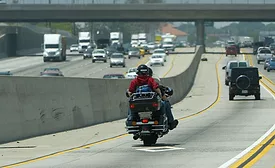
After a long downward trend, U.S. traffic deaths are on the rise again, and a key factor is the stubbornly high fatality toll among some of the most exposed people on the road: motorcyclists.
Nevertheless, federal regulators have balked at requiring a safety measure that, many experts say, could save hundreds of bikers’ lives every year.
The U.S. Senate voted 50-48 this week to strike down a key provision of OSHA’s recordkeeping rule by axing the agency’s ability to cite recordkeeping violations found by inspectors that are older than 180 days. The so-called “Volks” rule that was struck down – issued in December 2016 -- gave OSHA the ability to issue citations to employers for failing to record work-related injuries and illnesses during the 5-year retention period, contrary to the six-month statute of limitations.
Let’s say someone you care about—mother, father, wife, husband, partner, son, daughter, friend, and neighbor—works in a facility that’s had a history of serious injuries or illnesses. You know, like burns, amputations, and broken bones that happen at work. Or head, eye, or back injuries.
A worker safety advocacy group is urging Americans to contact their U.S. senators and oppose the Congressional Review Act Resolution of Disapproval which would repeal an OSHA rule clarifying an employers' obligation to keep accurate records of work related injuries.
On January 17, 2017, OSHA’s new Walking-Working Surfaces Rule took effect, updating OSHA regulations that have been in place for nearly a half century. OSHA’s new rule, commonly referred to as the “Slips, Trips and Falls” rule, actually revises and updates two historic OSHA standards — the Walking-Working Surfaces regulations at Subpart D and the Personal Fall Protection regulations at Subpart I of OSHA’s General Industry Standards (29 C.F.R. Part 1910).