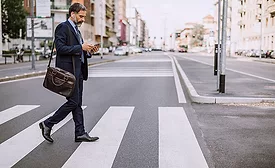
People distracted by their cellphones are tripping, falling and hurting their heads and necks more often, with such injuries increasing “steeply” over a 20-year period, a new analysis has found.
The weight of scientific evidence has not linked cell phones with any health problems. Cell phones emit low levels of radiofrequency energy (RF). Over the past 15 years, scientists have conducted hundreds of studies looking at the biological effects of the radiofrequency energy emitted by cell phones.
I said to myself, it would take decades for this modern technology to make it to the safety incentive market. The tech virus indeed continued its unstoppable path, as we now know. This market is typically slow to change, but not anymore.
Creating a safe working environment for employees goes beyond training these days, relying on technology to fill in the gaps where human instinct might fail.
Beside the lack of a headphone jack, Apple’s much-ballyhooed iPhone 7 appears to have a downside: it’s home button does not work with most gloves -- even touchscreen-friendly gloves with conductive material on their fingertips.
New research from AT&T shows nearly 4-in-10 smartphone users tap into social media while driving. Almost 3-in-10 surf the net. And surprisingly, 1-in-10 video chat.
AT&T recently released its latest advertisement in their “It Can Wait” Campaign. Meant to be a wakeup call to distracted drivers, it is getting widespread attention. According to the “It Can Wait” website (www.itcanwait.com), more than seven million drivers have made the pledge to “keep their eyes on the road, not on their phone.”
In the 1960s, there was a popular show called Candid Camera. It was one of the first reality TV shows. The premise of the show was that individuals were secretly filmed after being placed in unusual, ridiculous or embarrassing situations.
DOT rolls out campaign to crack down on distracted driving
April 10, 2015
April is Distracted Driving Awareness month, and the U.S. Department of Transportation is using the occasion to undertake an aggressive campaign, running today through April 15, to ticket drivers who are texting or talking on their cell phones while they’re driving.