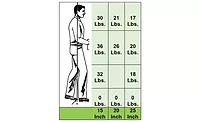
Heavy Lifting

The safe handling of heavy materials is a critical component of workplace safety. A lot of strained backs and torn muscles can be avoided by proactively promoting safe material handling practices by workers in their work areas. This requires a comprehensive assessment of the work area and use of the proper tools.
Assessing the work environment should include close observations of such things as duration of task, anthropometric requirements, force required, employee rotation, effects of climate and many other factors. This assessment must include feedback from all employees who work in that area or at that work station, as they are the ones who know the issues as well as anybody.
Know your options
Workstation and work area material handling solutions fall into three main categories: manual, semi-assist and mechanical.
Manual techniques are typically the most cost-efficient, but require thinking out of the box. Empower employees with time and resources and you will typically see great return on your investment. Always inspect the solution to make sure that it does not cause secondary hazards. Examples include:
Keeping the materials between shoulder and waist height. The materials should flow smoothly from one area to the next with opportunities for rest and shifting to comfortable position.
- Buddy system lifts for heavy or awkward loads.
- Counter-balance or adjustable work tables minimize lifting and keep the materials at the appropriate height.
- Turntables also assist in keeping materials at comfortable work positions. Other options are jigs, work frames or supports.
Also, go back to the origin and see if the current container or material hazard is really necessary. For example, the same problem that your employees are having handling a 500-lb. drum may be a problem all the way from the original manufacture to the end-user. Multiple users might benefit from a drum that was half the size and weight.
Mechanical handling equipment, such as forklifts, cranes and hydrologic or electric pallet jacks, conveyors and robotics, have the most up-front cost of any of the options. While these can accommodate a large variety of tasks, they typically require more training, inspections and maintenance. Also, in the hands of an untrained person, they can cause disabling injuries and significant property/equipment damage. This equipment should only be installed after completing a Process Safety Management style hazard review.
The whole picture
In providing safe material handling and work stations the key is looking at the whole picture, not just one small task. An efficient and smooth work flow that minimizes exertion and repetitive motions is always a plus. Make sure you consider who will be performing the task and their individual needs. A “one-size-fits-all” mentality will cost more in the end. Give your employees the opportunity to express their needs, concerns and struggles, and, working together, you’ll find effective and efficient solutions.
Looking for a reprint of this article?
From high-res PDFs to custom plaques, order your copy today!