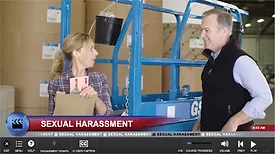
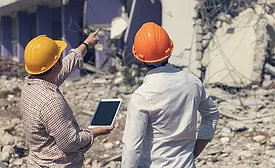
As the construction industry adapts to new ways of working in the face of COVID-19, it’s essential for employees and managers to maintain standards of professional behavior— whether they are working in the field, in the office or from home.
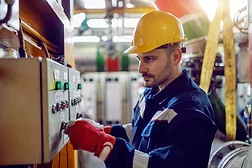
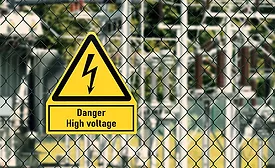
According to the Electrical Safety Foundation International (ESFI), in 2018, nearly one in ten workplace electrical injuries were fatal, and more than half of these occurred in the construction industry.
“A goal without a plan is just a wish,” wrote Antoine de Saint-Exupéry, author of “The Little Prince.” In the midst of the pandemic, employers now more than ever need a plan in case an employee or contractor dies at the workplace.
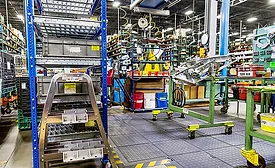
Warehouse workers face dangers that can easily cause serious injury. With the right procedures and design choices in place, it’s possible to mitigate many of these issues — but only if organizations know what to look for.
The global pandemic has presented unforeseeable challenges to millions of our nation's workers, or Industrial Athletes. In a normal year, global labor statistics estimate that nearly 39,000 of these vital workers are injured on the job every hour worldwide and an estimated 5,250 will die as the result of a workplace injury in the United States alone, according to OSHA.
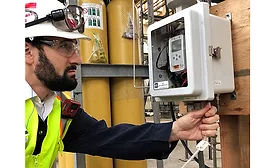
Today’s consumers are no strangers to wireless technology. We can send and share updates with the touch of a finger. Automatic alerts and notifications remind us to pay our bills, lower the thermostat, and even take our medication. So why not apply the same technology to the portable gas monitor industry?
The potential for catastrophic injury when operating a hydraulic press is great. Its operation requires a worker to feed, position and remove stock in the area under the powerful ram or near the bending point, exposing him or herself directly to danger.
Workplaces can sometimes be dangerous and that’s why OSHA requires employers to alert employees to hazards that they could encounter. A proactive way to provide this protection is to use the necessary signage, alarms, and signals to alert workers to these hazards.
Warehouse hazards are often the cause of workplace accidents. Choosing the correct type of storage will greatly reduce the potential hazard in a facility. The correct storage medium will reduce improper lifting, reaching and travel distance to retrieve an item.
Seeking safety excellence, we focus on creating a safe working environment by identifying the hazards that exist in our environment -- and how we interact with those hazards as individuals.
 RSS
RSS