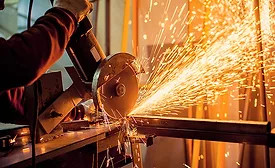
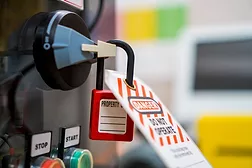
No industrial process is completely risk free. New technologies can help reduce risks in the manufacturing process, but many industries still have manufacturing hazards that can badly hurt people and equipment.
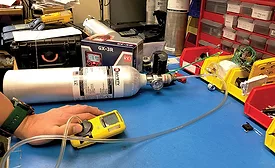
When monitoring your work environment for toxic gases, you need to make sure your monitor is properly calibrated for your target gas, such as chlorine, carbon monoxide, or your readings may be inaccurate.
Industrial organizations have seen major changes throughout their workplace in just a few short months. They’ve gone from optimizing their relationship with customers to transforming their relationship with employees.
Beneficial uses of smoke tubes include respirator fit tests and air flow observations and measurements. Users of smoke tubes must be aware, however, of the significant risks if the tool is misused. Proper use of smoke tubes, therefore, is essential.
Companies often invest a considerable amount of time in modular, yet stable, warehouse furniture, fittings and shelving, and for a good reason. A proper layout can significantly impact productivity, safety and operations. Unfortunately, it often means warehouse floor maintenance falls by the wayside.
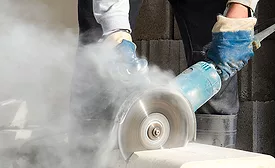
What makes dust so harmful for construction workers is that it’s a combination of particles from various materials used on project sites. These fine grains could be heavy metals, asbestos, pollen, silica and much more.
Industrial worksites — like factories, power plants and warehouses — are often dangerous environments for workers. Large equipment and heavy objects, among other threats, pose severe safety risks.
Employee safety is an important factor in every industry. According to the International Labor Organization, more than 2.78 million people die as a result of occupational accidents or work-related diseases each year.
 RSS
RSS