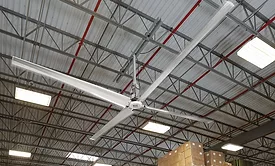
Although largely invisible, indoor air quality is a key concern for any industrial facility. During summer months, workers must be shielded from the dangers of heat stress, while in winter cold drafts and dry air may cause problems.
Adjusting to the “new normal” during the Covid 19 pandemic means implementing new safety practices or improving those you currently have in place. Most of us are already following guidelines from the CDC and WHO such as wearing masks, washing and sanitizing hands more frequently and practicing social distancing. But have you evaluated your current spill response plan?
Let’s face it — no matter how much we try to avoid them, spills happen. Common spills involve substances such as gasoline, oil, solvents, and cleaning chemicals. While small, in-house spills might be easy to clean up quickly, some fluids can be toxic when ingested or exposed to skin and can be hazardous to the environment.
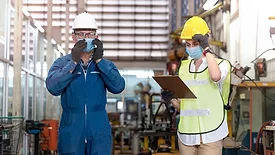
Economies all over the world are ramping back up. It would be extremely premature to say that the pandemic is over, but even COVID-19 can’t keep the wheels of production still for long. The question is, can frontline workers in essential industries, like manufacturing, return to work with confidence?
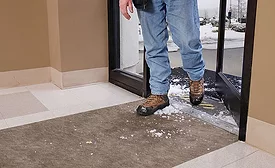
Rain, snow and mud don’t just look bad when they get tracked into the building. They can be dangerous. Grabbing a “Wet Floor” sign from the custodian’s closet probably isn’t enough to prevent slip and fall injuries in entranceways.
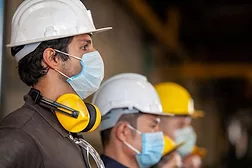
Manufacturing plants and industrial sites are opening up again after COVID-19 lockdowns, but the people returning to work will notice many changes in their safety protocols.
Facility safety inspections are important for all businesses, regardless of their size. The objective of these internal audits is to identify hazards, monitor Occupational Safety and Health Administration (OSHA) standards, and ensure that corrective actions are taken appropriately.
Manufacturing often finds itself up against challenges and pressures other industries do not. From a relatively strict regulatory environment to public health emergencies, global competition, emergent technologies and potential labor shortages, the manufacturing sector is always rolling with the punches and looking for avenues toward leaner operations and higher fortunes.
Every day, workers of the world head to their jobs fully expecting to return home in the same condition that they left. This is made possible when companies put the security of their workforce as the first priority.
If there’s one thing the global business community has learned from the COVID-19 pandemic that continues to ebb, flow and unfold on the daily, wreaking having on bottom lines in every corner of the world in its wake, it’s the outright imperative for companies to be agile “from top to bottom.”
 RSS
RSS