ISHN logo
search
cart
facebook twitter linkedin youtube
  • Sign In
  • Create Account
  • Sign Out
  • My Account
ISHN logo
  • NEWS
    • Today's News
    • Global Safety News
    • Government Regulations
  • PRODUCTS
    • Product Innovations
    • Featured Products
  • TOPICS
    • Environmental Health and Safety
    • Facility Safety
    • Workplace Health
    • Occupational Safety
    • PPE
    • More Topics
  • CONSTRUCTION
  • TECHNOLOGY
  • COLUMNS
    • Best Practices
    • Dave Johnson: What’s going on
    • Editorial Comments
    • Leading Safety
  • MULTIMEDIA
    • ISHN Podcast
    • Videos
    • Cold Stress Education Quiz
    • Webinars
    • White Papers
  • MORE
    • Buyer's Guide
    • Newsletters
    • Convention Companion
    • Polls
    • Events
    • ISHN Store
    • Sponsor Insights
  • EMAGAZINE
    • eMagazine
    • Archived Issues
    • Contact
    • Advertise
  • JOIN TODAY!
Today's Safety NewsGovernment Safety RegulationsOccupational SafetyEnvironmental Health and Safety

Historic coal mine safety law turns 45
April 8, 2015

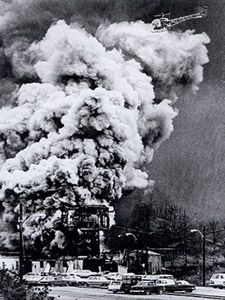
Farmington mine explosionIn 1968, a powerful explosion rocked an underground West Virginia coal mine, killing 78 miners. While the disaster's cause remains uncertain, the Farmington mine disaster was a flashpoint for reform after years of mining fatalities and injuries and a growing awareness of black lung disease. A year later, Congress passed the Federal Coal Mine Health and Safety Act of 1969. The act took effect on March 30, 1970 and was the toughest worker health and safety law of its time. It also ushered in a new culture in mining. In signing the new law, President Richard Nixon declared that it "represents a crucially needed step forward in the protection of America's coal miners."

The law:

  • Required federal inspections of all coal mines – twice a year for surface mines, 4 times a year for underground mines
  • Authorized mine inspectors to shut down mines when life-threatening hazards were found
  • Created strong, enforceable safety protections
  • Set fines for all violations and criminal penalties for willful violations
  • Added health protections, including for black lung diseases
  • Established federal benefits for victims of black lung disease

The law was enacted on March 30, 1970. Subsequent laws improved mine safety and health even more, extending protections to metal and nonmetal mines and creating an enforcement agency under the Department of Labor -- the Mine Safety and Health Administration, or MSHA. On the foundation of the 1969 Coal Act, improvements continue to this day, including the 2014 rule to further protect miners from black lung disease, which has claimed thousands of lives.

The Act’s legacy has been healthier, safer mines and steady declines in fatalities and injuries. In 1970, the year the law began to take effect, 260 coal miners were killed in workplace accidents. In 2014, that number dropped to 16 - the lowest ever recorded.

KEYWORDS: black lung mining industry MSHA

Share This Story

Looking for a reprint of this article?
From high-res PDFs to custom plaques, order your copy today!

Recommended Content

JOIN TODAY
to unlock your recommendations.

Already have an account? Sign In

  • forklift safety

    Exploring the latest technologies in forklift safety

    With more staff and more stock in warehousing now more...
    Facility Safety
    By: Josh Cramer
  • welding

    All about welder’s flash or arc eye

    A flash burn is a painful inflammation of the cornea,...
    Environmental Health and Safety
  • dangerous jobs

    The 10 most dangerous jobs in the U.S.

    On-the-job deaths have been rising — hitting the highest...
    Occupational Safety
    By: Benita Mehta
Manage My Account
  • eMagazine Subscriptions
  • ISHN Newsletter & Other Newsletter Alerts
  • Online Registration
  • Manage My Preferences
  • Subscription Customer Service

More Videos

Sponsored Content

Sponsored Content is a special paid section where industry companies provide high quality, objective, non-commercial content around topics of interest to the ISHN audience. All Sponsored Content is supplied by the advertising company and any opinions expressed in this article are those of the author and not necessarily reflect the views of ISHN or its parent company, BNP Media. Interested in participating in our Sponsored Content section? Contact your local rep!

close
  • man wearing the the Sundström SR200 Full Face Mask Respirator
    Sponsored byOHD

    5 Fit Testing Mistakes That Could Cost You

  • This image shows Magid AcuSpex polarized blue mirrored safety glasses.
    Sponsored byMagid Glove and Safety

    Construction PPE Guide: What Crews Need for Each Task

  • lone worker in confined space
    Sponsored byAlphasense Ltd.

    GET THE LEAD OUT of your Safety Oxygen Sensors!

Popular Stories

SpaceX 7 launch

OSHA Investigating Fatal Fall at SpaceX Starbase

dust explosion

Tennessee OSHA Issues Record $3.1M Fine After Deadly Explosion at Munitions Plant

Worker Impairment

How to Tell When a Co-Worker is Impaired? A Safety Pro’s Challenge

top 10 most dangerous jobs

Poll

Seasonal Readiness

With the federal heat stress prevention rule on the horizon, which area of your safety program needs the most attention?
View Results Poll Archive

Products

Surviving an OSHA Audit A Management Guide, 2nd Edition

Surviving an OSHA Audit A Management Guide, 2nd Edition

See More Products

ISHN Podcasts

Related Articles

  • Sensidyne Releases New Coal Mine Safety Instrument

    See More
  • Coal mine safety instrument

    See More
  • China cracks down on coal mine safety

    See More

Related Products

See More Products
  • safety law.jpg

    Safety Law: Legal Aspects in Occupational Safety and Health

  • 9781498773416.jpg

    The Legal Aspects of Industrial Hygiene and Safety

  • download (1).jpg

    Safety Rebels Real-World Transformations in Health and Safety

See More Products

Events

View AllSubmit An Event
  • March 26, 2026

    Electrical Safety Essentials: A Practical Guide for Safety Professionals

    ON DEMAND: This one-hour webinar provides general safety professionals with a practical, non-technical overview of electrical hazards, injury mechanisms, and prevention strategies aligned with OSHA 29 CFR 1910 Subpart S and related standards.
View AllSubmit An Event
×

Become a Leader in Safety Culture

Build your knowledge with ISHN, covering key safety, health and industrial hygiene news, products, and trends.

JOIN TODAY
  • RESOURCES
    • Advertise
    • Contact Us
    • Directories
    • Manufacturing Division
    • Store
    • Want More
  • SIGN UP TODAY
    • Create Account
    • eMagazine
    • Newsletters
    • Customer Service
    • Manage Preferences
  • SERVICES
    • Marketing Services
    • Reprints
    • Market Research
    • List Rental
    • Survey/Respondent Access
  • STAY CONNECTED
    • LinkedIn
    • Facebook
    • YouTube
    • X (Twitter)
  • PRIVACY
    • PRIVACY POLICY
    • TERMS & CONDITIONS
    • DO NOT SELL MY PERSONAL INFORMATION
    • PRIVACY REQUEST
    • ACCESSIBILITY

Copyright ©2026. All Rights Reserved BNP Media, Inc. and BNP Media II, LLC.

Design, CMS, Hosting & Web Development :: ePublishing