ISHN logo
search
cart
facebook twitter linkedin youtube
  • Sign In
  • Create Account
  • Sign Out
  • My Account
ISHN logo
  • NEWS
    • Today's News
    • Global Safety News
    • Government Regulations
  • PRODUCTS
    • Product Innovations
    • Featured Products
  • TOPICS
    • Environmental Health and Safety
    • Facility Safety
    • Workplace Health
    • Occupational Safety
    • PPE
    • More Topics
  • CONSTRUCTION
  • TECHNOLOGY
  • COLUMNS
    • Best Practices
    • Dave Johnson: What’s going on
    • Editorial Comments
    • Leading Safety
  • MULTIMEDIA
    • ISHN Podcast
    • Videos
    • Cold Stress Education Quiz
    • Webinars
    • White Papers
  • MORE
    • Buyer's Guide
    • Newsletters
    • Convention Companion
    • Polls
    • Events
    • ISHN Store
    • Sponsor Insights
  • EMAGAZINE
    • eMagazine
    • Archived Issues
    • Contact
    • Advertise
  • JOIN TODAY!
Environmental Health and Safety

Double hazard: BP oil spill workers were sickened by toxic release from nearby facility

U.S. finalizes settlement with Georgia-based Millard Refrigerated Services over ammonia release

June 22, 2015

The EPA and the U.S. Department of Justice (DOJ) have announced a final settlement with Millard Refrigerated Services that resolves alleged violations of the Clean Air Act, Emergency Planning and Community Right-to-Know Act and Comprehensive Environmental Response, Compensation, and Liability Act for an airborne release of ammonia from Millard’s Theodore, Alabama, facility in 2010. Millard will pay a $3 million penalty for the violations that sickened 152 people responding to the BP oil spill.

The EPA is serious

“EPA is serious about holding companies that threaten people’s health and safety accountable,” said Cynthia Giles, assistant administrator for EPA’s Office of Enforcement and Compliance Assurance. “It’s imperative that companies that use and store potentially-hazardous materials like ammonia ensure their operations do not pose a health risk to their employees or the public.”

“The release of ammonia created significant health problems,” said Assistant Attorney General John C. Cruden for the Environment and Natural Resources Division. “This settlement underscores how lapses in environmental management can have serious consequences, and today we are holding Millard accountable for this failure to ensure the safety of its workers and the surrounding community.”

150+ people treated

On August 23, 2010, the Millard Refrigerated Service warehouse in Theodore released approximately 32,000 pounds of anhydrous ammonia, to which exposure in high concentrations can be lethal, into the air after refrigeration equipment malfunctioned. The ammonia travelled directly over a site where more than 800 people were working on decontaminating ships responding to the BP oil spill in the Gulf of Mexico. The Mobile, Alabama, Emergency Management Agency ordered an evacuation of the surrounding area and a one mile shelter in place situation following the ammonia release. 152 people working at the site and on ships were treated for symptoms of ammonia exposure at hospitals in the Mobile area, four of whom were admitted into intensive care units. One Millard employee sustained injuries after briefly losing consciousness from ammonia inhalation.

Company didn't address a well-known risk

During its investigation of the warehouse after the ammonia release, EPA discovered that Millard failed to adequately address a well-known risk for ammonia production systems called hydraulic shock, which can cause catastrophic equipment failures. These failures can lead to hazardous releases of anhydrous ammonia. The company’s failure to address this risk, in addition to other deficiencies in its production and safety systems, amounted to 37 distinct violations of the Clean Air Act’s Risk Management Program and General Duty Clause. These requirements compel companies that store or use potentially-hazardous substances like ammonia to identify the hazards posed by their operation, design and maintain a safe facility, and minimize the consequences of any releases that might occur. The company’s failure to immediately report a release of anhydrous ammonia above the reportable quantity to the National Response Center amounted to one CERCLA violation. The company’s failure to immediately report a release of anhydrous ammonia to the local and state emergency planning commissions and to file a follow-up reports for two releases amounted to three EPCRA violations.

Not the first time

EPA also discovered that Millard had two prior smaller ammonia releases caused by hydraulic shock, which should have signaled a need to take steps to prevent a catastrophic release like the one that occurred at the Theodore warehouse. Millard sold the Theodore warehouse facility, which is no longer in operation.

KEYWORDS: ammonia hazmat management occupational exposure toxic substances

Share This Story

Looking for a reprint of this article?
From high-res PDFs to custom plaques, order your copy today!

Recommended Content

JOIN TODAY
to unlock your recommendations.

Already have an account? Sign In

  • forklift safety

    Exploring the latest technologies in forklift safety

    With more staff and more stock in warehousing now more...
    Workplace Training Strategies
    By: Josh Cramer
  • welding

    All about welder’s flash or arc eye

    A flash burn is a painful inflammation of the cornea,...
    Environmental Health and Safety
  • dangerous jobs

    The 10 most dangerous jobs in the U.S.

    On-the-job deaths have been rising — hitting the highest...
    Transportation Safety
    By: Benita Mehta
Manage My Account
  • eMagazine Subscriptions
  • ISHN Newsletter & Other Newsletter Alerts
  • Online Registration
  • Manage My Preferences
  • Subscription Customer Service

More Videos

Sponsored Content

Sponsored Content is a special paid section where industry companies provide high quality, objective, non-commercial content around topics of interest to the ISHN audience. All Sponsored Content is supplied by the advertising company and any opinions expressed in this article are those of the author and not necessarily reflect the views of ISHN or its parent company, BNP Media. Interested in participating in our Sponsored Content section? Contact your local rep!

close
  • man wearing the the Sundström SR200 Full Face Mask Respirator
    Sponsored byOHD

    5 Fit Testing Mistakes That Could Cost You

  • This image shows Magid AcuSpex polarized blue mirrored safety glasses.
    Sponsored byMagid Glove and Safety

    Construction PPE Guide: What Crews Need for Each Task

  • lone worker in confined space
    Sponsored byAlphasense Ltd.

    GET THE LEAD OUT of your Safety Oxygen Sensors!

Popular Stories

SpaceX 7 launch

OSHA Investigating Fatal Fall at SpaceX Starbase

Automated loading dock equipment

After March 2026 Rivian Death, Safety Managers Reassess Loading Dock Systems Under OSHA's Warehouse Emphasis Program

psychology in the workplace

Most Workplaces Measure Psychological Safety, Ignoring Psychosocial Risks

top 10 most dangerous jobs

Poll

Seasonal Readiness

With the federal heat stress prevention rule on the horizon, which area of your safety program needs the most attention?
View Results Poll Archive

Products

Surviving an OSHA Audit A Management Guide, 2nd Edition

Surviving an OSHA Audit A Management Guide, 2nd Edition

See More Products

ISHN Podcasts

Related Articles

  • EPA Administrator Jackson tours areas potentially impacted by BP oil spill (5/3)

    See More
  • EPA Administrator Jackson returns to Gulf Region to oversee ongoing response to the BP oil spill (5/24)

    See More
  • EPA responds to the BP oil spill in the Gulf of Mexico (5/10)

    See More

Related Products

See More Products
  • 1119010160.jpg

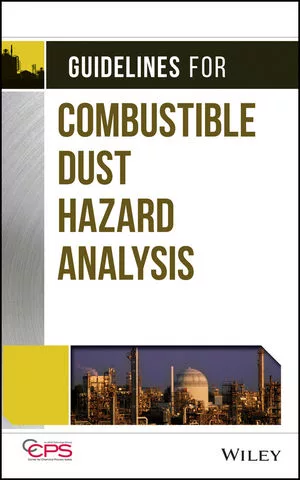
    Guidelines for Combustible Dust Hazard Analysis

  • 0470074841.jpg

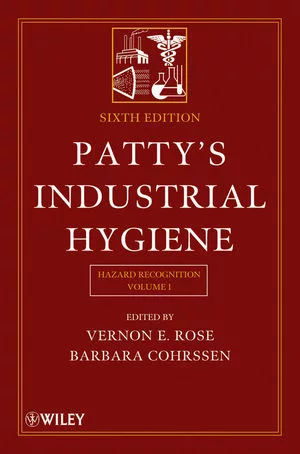
    Patty's Industrial Hygiene, Volume 1, Hazard Recognition , 6th Edition

See More Products

Related Directories

  • e-Hazard

    E-Hazard is dedicated to building an electrical safety culture with you. Our electrical engineering services and training will prepare your team for any electrical safety needs or concerns. E-Hazard can help with electrical training, arc flash studies, electrical audits, electrical safety programs, LOTO, infrared scanning, NFPA 70B, consulting and much more.
  • SafetyLine Lone Worker

    SafetyLine Lone Worker helps companies monitor the status of workers who are remote, alone, or working in hazardous situations. We are an automated check-in monitoring and emergency notification service. SafetyLine uses its communications infrastructure to ensure that workers have comprehensive monitoring, 24/7, without the need for costly monitoring centers.
×

Become a Leader in Safety Culture

Build your knowledge with ISHN, covering key safety, health and industrial hygiene news, products, and trends.

JOIN TODAY
  • RESOURCES
    • Advertise
    • Contact Us
    • Directories
    • Manufacturing Division
    • Store
    • Want More
  • SIGN UP TODAY
    • Create Account
    • eMagazine
    • Newsletters
    • Customer Service
    • Manage Preferences
  • SERVICES
    • Marketing Services
    • Reprints
    • Market Research
    • List Rental
    • Survey/Respondent Access
  • STAY CONNECTED
    • LinkedIn
    • Facebook
    • YouTube
    • X (Twitter)
  • PRIVACY
    • PRIVACY POLICY
    • TERMS & CONDITIONS
    • DO NOT SELL MY PERSONAL INFORMATION
    • PRIVACY REQUEST
    • ACCESSIBILITY

Copyright ©2026. All Rights Reserved BNP Media, Inc. and BNP Media II, LLC.

Design, CMS, Hosting & Web Development :: ePublishing