ISHN logo
search
cart
facebook twitter linkedin youtube
  • Sign In
  • Create Account
  • Sign Out
  • My Account
ISHN logo
  • NEWS
    • Today's News
    • Global Safety News
    • Government Regulations
  • PRODUCTS
    • Product Innovations
    • Featured Products
  • TOPICS
    • Environmental Health and Safety
    • Facility Safety
    • Workplace Health
    • Occupational Safety
    • PPE
    • More Topics
  • CONSTRUCTION
  • TECHNOLOGY
  • COLUMNS
    • Best Practices
    • Dave Johnson: What’s going on
    • Editorial Comments
    • Leading Safety
  • MULTIMEDIA
    • ISHN Podcast
    • Videos
    • Cold Stress Education Quiz
    • Webinars
    • White Papers
  • MORE
    • Buyer's Guide
    • Newsletters
    • Convention Companion
    • Polls
    • Events
    • ISHN Store
    • Sponsor Insights
  • EMAGAZINE
    • eMagazine
    • Archived Issues
    • Contact
    • Advertise
  • JOIN TODAY!
PPE

Consider fit, hazards & fatigue to protect feet
By Jessica Merel
foot protection

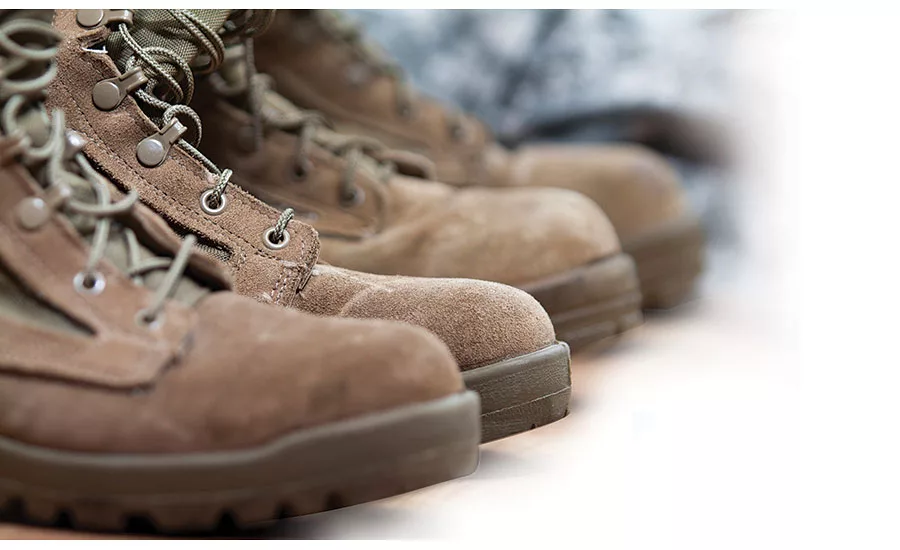
Photo courtesy of MEGAComfort Inc.

June 10, 2016

Most of us spend more time standing on our feet than thinking about them, and even less time taking care of them. Working for long hours on your feet without proper footwear and appropriate insoles can lead to a miserable day — or debilitating lower body aches and pains.

Numerous foot problems such as corns, bunions, sprains, and fungal infections can happen on and off the job. Work-related activities can greatly impact your feet and overall health. Whether you work on your feet or stand for hours, your feet are at risk for inflammation and even permanent damage if you do not have proper foot protection, comfort and support.

When you think about protective safety footwear, you probably think about heavy-duty footwear such as steel toe boots. Although these afford great protection from various hazards, many other types of footwear can also make you safer on your feet. It’s important to do a safety analysis of your worksite to determine what type of foot protection you’ll need. Then select footwear that provides the best protection for you.

Evaluating the scene

As you evaluate your workplace, preferably on a weekly basis, keep your eyes on footwear protection and usage. Inadequate footwear used by employees and visitors can lead to serious accidents. Whether it’s untied laces, poor footwear construction, or non-supportive shoes, be sure your employees or coworkers, are protected from danger.

Adequate footwear can be the first step towards safety. But it’s important to look beyond footwear protection and ensure all your employees are trained on their specific job tasks. Workplace education can prevent serious injury and enhance safety awareness.

A good fit for safety

There are multiple types of footwear protection, and each can prevent injury in different situations or types of work. Construction workers often benefit from steel toe boots that prevent heavy materials or objects from crushing the feet. Visitors to construction sites, or factories, can benefit from steel toe overshoes. Danger to your feet does not only come from above, it can come from below. For this reason, puncture-resistant boots or insoles can protect you from being stabbed by a sharp object on the ground.

Often times, the machinery your employees use to do their job can require extra safety measures. For example, those working in the logging industry are required to use chainsaws. Thankfully, logging boots are available which are cut-resistant and repel water.

Many employees working with electricity face tremendous risk of potential electrical shock. On the other hand, accumulating static shock while working can destroy sensitive equipment. The solution for these employees is ESD footwear and insoles that help conduct electricity through the ground,

Finding the fit, fighting fatigue

Ensure your footwear is protective and supportive by making sure your shoes or boots fit properly. They should not pinch your foot or toes. Your shoes or work boots should be made of strong and sturdy materials that do not absorb water. Make sure your shoes or boots do not have rips, holes, fasten properly, and that the soles have good traction.

If you spend your work day standing or walking on hard surfaces, fatigue can be a serious problem. The muscles in your feet support your body in numerous ways, without adequate support and cushioning you can endure tremendous strain on your muscles. Effective measures can be taken by simply adding anti-fatigue comfort insoles with cushioned arch support to your shoes or work boots. It’s extremely important that the insoles are constructed from dual layer memory foam in order to provide maximum comfort and shock absorption. Anti-fatigue insoles are a much safer, cost-effective alternative to standard floor matting.

One important step

Foot protection means more than wearing proper footwear, it means protecting yourself and your employees from hazards. Ensuring your team is properly supported by footwear and other safety regulations means you are building a safety culture of awareness.

Work-related injuries can cost your company more than money, it can lead to a depreciation in morale and can affect each employee, the company, and wider community. Workplace injuries have various associated costs, depending on the severity of the incident. One important step toward workplace safety is to ensure that each of your employees has adequate supportive and comfortable footwear and insoles to prevent most workplace injuries.

Share This Story

Looking for a reprint of this article?
From high-res PDFs to custom plaques, order your copy today!

Recommended Content

JOIN TODAY
to unlock your recommendations.

Already have an account? Sign In

  • forklift safety

    Exploring the latest technologies in forklift safety

    With more staff and more stock in warehousing now more...
    Workplace Training Strategies
    By: Josh Cramer
  • welding

    All about welder’s flash or arc eye

    A flash burn is a painful inflammation of the cornea,...
    Environmental Health and Safety
  • dangerous jobs

    The 10 most dangerous jobs in the U.S.

    On-the-job deaths have been rising — hitting the highest...
    Transportation Safety
    By: Benita Mehta
Manage My Account
  • eMagazine Subscriptions
  • ISHN Newsletter & Other Newsletter Alerts
  • Online Registration
  • Manage My Preferences
  • Subscription Customer Service

More Videos

Sponsored Content

Sponsored Content is a special paid section where industry companies provide high quality, objective, non-commercial content around topics of interest to the ISHN audience. All Sponsored Content is supplied by the advertising company and any opinions expressed in this article are those of the author and not necessarily reflect the views of ISHN or its parent company, BNP Media. Interested in participating in our Sponsored Content section? Contact your local rep!

close
  • man wearing the the Sundström SR200 Full Face Mask Respirator
    Sponsored byOHD

    5 Fit Testing Mistakes That Could Cost You

  • This image shows Magid AcuSpex polarized blue mirrored safety glasses.
    Sponsored byMagid Glove and Safety

    Construction PPE Guide: What Crews Need for Each Task

  • lone worker in confined space
    Sponsored byAlphasense Ltd.

    GET THE LEAD OUT of your Safety Oxygen Sensors!

Popular Stories

SpaceX 7 launch

OSHA Investigating Fatal Fall at SpaceX Starbase

dust explosion

Tennessee OSHA Issues Record $3.1M Fine After Deadly Explosion at Munitions Plant

Worker Impairment

How to Tell When a Co-Worker is Impaired? A Safety Pro’s Challenge

top 10 most dangerous jobs

Poll

Seasonal Readiness

With the federal heat stress prevention rule on the horizon, which area of your safety program needs the most attention?
View Results Poll Archive

Products

Surviving an OSHA Audit A Management Guide, 2nd Edition

Surviving an OSHA Audit A Management Guide, 2nd Edition

See More Products

ISHN Podcasts

Related Articles

  • foot protection

    Consider fit, hazards & fatigue to protect feet

    See More
  • metatarsal guards to protect feet

    How metatarsal guards can protect feet from direct trauma

    See More
  • 06107_F27_pic.jpg

    How to find the best footwear fit for specific hazards

    See More

Related Directories

  • e-Hazard

    E-Hazard is dedicated to building an electrical safety culture with you. Our electrical engineering services and training will prepare your team for any electrical safety needs or concerns. E-Hazard can help with electrical training, arc flash studies, electrical audits, electrical safety programs, LOTO, infrared scanning, NFPA 70B, consulting and much more.
×

Become a Leader in Safety Culture

Build your knowledge with ISHN, covering key safety, health and industrial hygiene news, products, and trends.

JOIN TODAY
  • RESOURCES
    • Advertise
    • Contact Us
    • Directories
    • Manufacturing Division
    • Store
    • Want More
  • SIGN UP TODAY
    • Create Account
    • eMagazine
    • Newsletters
    • Customer Service
    • Manage Preferences
  • SERVICES
    • Marketing Services
    • Reprints
    • Market Research
    • List Rental
    • Survey/Respondent Access
  • STAY CONNECTED
    • LinkedIn
    • Facebook
    • YouTube
    • X (Twitter)
  • PRIVACY
    • PRIVACY POLICY
    • TERMS & CONDITIONS
    • DO NOT SELL MY PERSONAL INFORMATION
    • PRIVACY REQUEST
    • ACCESSIBILITY

Copyright ©2026. All Rights Reserved BNP Media, Inc. and BNP Media II, LLC.

Design, CMS, Hosting & Web Development :: ePublishing