ISHN logo
search
cart
facebook twitter linkedin youtube
  • Sign In
  • Create Account
  • Sign Out
  • My Account
ISHN logo
  • NEWS
    • Today's News
    • Global Safety News
    • Government Regulations
  • PRODUCTS
    • Product Innovations
    • Featured Products
  • TOPICS
    • Environmental Health and Safety
    • Facility Safety
    • Workplace Health
    • Occupational Safety
    • PPE
    • More Topics
  • CONSTRUCTION
  • TECHNOLOGY
  • COLUMNS
    • Best Practices
    • Dave Johnson: What’s going on
    • Editorial Comments
    • Leading Safety
  • MULTIMEDIA
    • ISHN Podcast
    • Videos
    • Cold Stress Education Quiz
    • Webinars
    • White Papers
  • MORE
    • Buyer's Guide
    • Newsletters
    • Convention Companion
    • Polls
    • Events
    • ISHN Store
    • Sponsor Insights
  • EMAGAZINE
    • eMagazine
    • Archived Issues
    • Contact
    • Advertise
  • JOIN TODAY!
Government Safety RegulationsEnvironmental Health and SafetyWorkplace Health

TSCA reform: A milestone to protect our health from dangerous chemicals

By Gina McCarthy
November 4, 2016

President Obama signed a bipartisan bill to reform the Toxic Substances Control Act (TSCA), the first major update to an environmental statute in 20 years. That’s great news for the environment and for the health of all Americans.

TSCA was first passed in 1976 to help keep dangerous chemicals off the market and avoid making people sick. Back then, health experts already knew that certain chemicals could cause very serious health impacts, including cancer, birth defects, and reproductive harm.

While the intent of the original TSCA law was spot-on, it fell far short of giving EPA the authority we needed to get the job done.

It became clear that without major changes to the law, EPA couldn’t take the actions necessary to protect people from toxic chemicals. Diverse stakeholders, including industry, retailers, and public health and environmental experts, recognized these deficiencies and began to demand major reforms to the law.

The updated law gives EPA the authorities we need to protect American families from the health effects of dangerous chemicals. I welcome this bipartisan bill as a major step forward to protect Americans’ health. And at EPA, we’re excited to get to work putting it into action.

The Frank R. Lautenberg Chemical Safety for the 21st Century Act (H.R. 2576) was made possible by years of hard work by both Democrats and Republicans in the House and the Senate, as well as EPA staff who have provided significant technical assistance. I applaud everyone who stepped up and made it happen. It’s historic, and it’ll make Americans’ lives better.

TSCA was intended to be one of our nation’s foundational environmental laws. In terms of its potential for positive impact, it should have ranked right alongside the Clean Water Act and the Clean Air Act, which, since the 70’s, have dramatically improved water quality and helped clean up 70 percent of our nation’s air pollution. But it hasn’t.

Forty years after TSCA was enacted, there are still tens of thousands of chemicals on the market that have never been evaluated for safety, because TSCA didn’t require it. And the original law set analytical requirements that were nearly impossible to meet, leaving EPA’s hands tied – even when the science demanded action on certain chemicals.

The dangers of inaction were never more stark than in the case of asbestos, a chemical known to cause cancer through decades of research.

During the first Bush Administration, EPA tried to ban asbestos under TSCA, but the rule was overturned in court. In the law’s 40-year history, only a handful of the tens of thousands of chemicals on the market when the law passed have ever been reviewed for health impacts, and only five have ever been banned.

Because EPA was not empowered to act on dangerous chemicals, American families were left vulnerable to serious health impacts. At the same time, some states tried to fill the gap to protect their citizens’ health—but state-by-state rules are no substitute for a strong national program that protects all Americans. Chemical manufacturers, consumer retailers, and others in industry agreed: reform was sorely needed.

As with any major policy reform, this one includes compromises. But the new bipartisan bill is a win for the American people—because it’s a victory for EPA’s mission to protect public health and the environment.

Here are a few highlights:

  • The new law requires EPA to evaluate existing chemicals, with clear and enforceable deadlines. Under the old law, the tens of thousands of chemicals already in existence in 1976 were considered in compliance, without any requirement or schedule for EPA to review them for safety. EPA is now required to systematically prioritize and evaluate chemicals on a specific and enforceable schedule. Within a few years, EPA’s chemicals program will have to assess at least 20 chemicals at a time, beginning another chemical review as soon as one is completed.
  • Under the new law, EPA will evaluate chemicals purely on the basis of the health risks they pose. The old law was so burdensome that it prevented EPA from taking action to protect public health and the environment–even when a chemical posed a known health threat. Now, EPA will have to evaluate a chemical’s safety purely based on the health risks it poses—including to vulnerable groups like children and the elderly, and to workers who use chemicals daily as part of their jobs—and then take steps to eliminate any unreasonable risks we find.
  • The new law provides a consistent source of funding for EPA to carry out its new responsibilities. EPA will now be able to collect up to $25 million a year in user fees from chemical manufacturers and processers, supplemented by Congressional budgeting, to pay for these improvements.

Bottom line: this law is a huge win for public health, and EPA is eager to get to work.

KEYWORDS: asbestos environmental protection public health toxic substances

Share This Story

Looking for a reprint of this article?
From high-res PDFs to custom plaques, order your copy today!

Gina McCarthy is Administrator of the EPA.

Recommended Content

JOIN TODAY
to unlock your recommendations.

Already have an account? Sign In

  • forklift safety

    Exploring the latest technologies in forklift safety

    With more staff and more stock in warehousing now more...
    Facility Safety
    By: Josh Cramer
  • welding

    All about welder’s flash or arc eye

    A flash burn is a painful inflammation of the cornea,...
    Environmental Health and Safety
  • dangerous jobs

    The 10 most dangerous jobs in the U.S.

    On-the-job deaths have been rising — hitting the highest...
    Government Safety Regulations
    By: Benita Mehta
Manage My Account
  • eMagazine Subscriptions
  • ISHN Newsletter & Other Newsletter Alerts
  • Online Registration
  • Manage My Preferences
  • Subscription Customer Service

More Videos

Sponsored Content

Sponsored Content is a special paid section where industry companies provide high quality, objective, non-commercial content around topics of interest to the ISHN audience. All Sponsored Content is supplied by the advertising company and any opinions expressed in this article are those of the author and not necessarily reflect the views of ISHN or its parent company, BNP Media. Interested in participating in our Sponsored Content section? Contact your local rep!

close
  • man wearing the the Sundström SR200 Full Face Mask Respirator
    Sponsored byOHD

    5 Fit Testing Mistakes That Could Cost You

  • This image shows Magid AcuSpex polarized blue mirrored safety glasses.
    Sponsored byMagid Glove and Safety

    Construction PPE Guide: What Crews Need for Each Task

  • lone worker in confined space
    Sponsored byAlphasense Ltd.

    GET THE LEAD OUT of your Safety Oxygen Sensors!

Popular Stories

SpaceX 7 launch

OSHA Investigating Fatal Fall at SpaceX Starbase

dust explosion

Tennessee OSHA Issues Record $3.1M Fine After Deadly Explosion at Munitions Plant

Worker Impairment

How to Tell When a Co-Worker is Impaired? A Safety Pro’s Challenge

top 10 most dangerous jobs

Poll

Seasonal Readiness

With the federal heat stress prevention rule on the horizon, which area of your safety program needs the most attention?
View Results Poll Archive

Products

Surviving an OSHA Audit A Management Guide, 2nd Edition

Surviving an OSHA Audit A Management Guide, 2nd Edition

See More Products

ISHN Podcasts

Related Articles

  • TSCA reform: A milestone to protect our health from dangerous chemicals

    See More
  • The Week that Will be 7.26.2010 – Whither Senate OSHA reform? Goodbye Tony Hayward. Hello TSCA reform. A grumpy summer…

    See More
  • Newark manufacturing employees at risk from dangerous chemicals

    See More

Related Products

See More Products
  • Optimizing Social Media from a B2B Perspective

  • 9781138749573.jpg

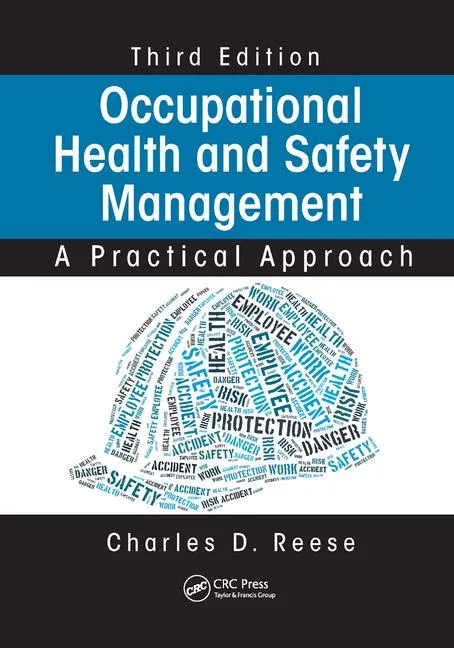
    Occupational Health and Safety Management: A Practical Approach, Third Edition

See More Products

Related Directories

  • EcoOnline

    EcoOnline provides transformative software to protect both people and the planet. Offering a comprehensive and configurable suite of software solutions, with expertise in Chemical Safety, Sustainability Reporting, and all aspects of EHS including Learning and Training. With over 25 years of experience in 90 industries, EcoOnline is trusted by more than 600,000 people and 10,000 brands worldwide, with expertise spanning from Chemical Safety, Sustainability Reporting, and EHS including Learning and Training through a configurable suite of solutions.
  • ACGIH

    ACGIH is a 501(c)(3) charitable scientific organization that advances occupational and environmental health. Examples of this include our annual editions of the TLVs and BEIs book and work practice guides in ACGIH’s Signature Publications. ACGIH’s key mission is – To Protect Workers Around the World. ACGIH is fighting for you! We are here to protect you! ACGIH is growing stronger and passionately fighting for your health and safety as you face those hidden dangers in your workplace environments. ACGIH works continuously to enhance the occupational, environmental, health, and safety fields. Our research provides you with the science and data you need to ensure the safety of your employees and community. Subscription support is crucial to the continued research and development of occupational science.
×

Become a Leader in Safety Culture

Build your knowledge with ISHN, covering key safety, health and industrial hygiene news, products, and trends.

JOIN TODAY
  • RESOURCES
    • Advertise
    • Contact Us
    • Directories
    • Manufacturing Division
    • Store
    • Want More
  • SIGN UP TODAY
    • Create Account
    • eMagazine
    • Newsletters
    • Customer Service
    • Manage Preferences
  • SERVICES
    • Marketing Services
    • Reprints
    • Market Research
    • List Rental
    • Survey/Respondent Access
  • STAY CONNECTED
    • LinkedIn
    • Facebook
    • YouTube
    • X (Twitter)
  • PRIVACY
    • PRIVACY POLICY
    • TERMS & CONDITIONS
    • DO NOT SELL MY PERSONAL INFORMATION
    • PRIVACY REQUEST
    • ACCESSIBILITY

Copyright ©2026. All Rights Reserved BNP Media, Inc. and BNP Media II, LLC.

Design, CMS, Hosting & Web Development :: ePublishing