Multi-hazard protective clothing comes of age
Garments address flash fire, arc flash, chemical splash & poor visibility
Multitasking is everywhere. Not just in the way we live our lives, but also in the products we use every day. Our cellphones now access the internet and double as calculators, GPS systems, cameras and more. Our watches don’t just tell time, but also count our steps, monitor our heart rates and alert us when we have new text messages. So why shouldn’t our protective apparel serve more than one purpose as well?
According to Frost and Sullivan’s North American Industrial Protective Clothing Market Forecast to 2020, apparel with multiple protective functionalities is becoming increasingly popular. This isn’t surprising, considering that many occupations involve more than one hazard — and most people would rather not wear extra layers of protective apparel or change clothes several times throughout the day to address each hazard they might encounter.
Defining the need
Protective clothing is only effective if it is worn consistently and correctly. The best way to encourage proper use is to make the protective apparel as comfortable and easy to wear as possible. By reducing the number of different garments and/or layers necessary for proper protection, you can help increase the likelihood that protective workwear won’t be worn improperly, or worse, forgotten or forgone entirely.
In this way, multi-hazard protective apparel is a major step in improving safety. It provides a much more convenient and practical way to address protection against common workplace hazards, helping inspire increased wearer compliance.
Due to the significant advantages multi-hazard protective clothing offers, a variety of garments have been developed to address some of the most common hazard combinations in today’s work environments.
Flash fire and arc flash
While a variety of industries face both flash fire and arc flash, employees working in utilities or oil and gas may be particularly likely to need protection against these two hazards. As a result, there is a need for multi-hazard protective apparel that meets the unique demands of those industries.
To address this need, flame-resistant (FR) clothing manufacturers have begun developing garments that meet the requirements of both NFPA 2112, the Standard on Flame-Resistant Garments for Protection of Industrial Personnel Against Flash Fire, and NFPA 70E, the Standard for Electrical Safety in the Workplace. Various multi-hazard protection options are even available to meet the specific requirements for each of the NFPA 70E personal protective equipment (PPE) categories. As an added bonus, some of these multi-hazard garments provide protection against small molten metal splatter as well.
Chemical splash and thermal hazards
In many environments where thermal hazards such as arc flash or flash fire are present, there is also a risk of chemical splash. This combination of hazards may be a concern for those working in laboratories, food processing, machinery and transportation, agriculture, or anywhere else flammable substances or liquid chemicals are present.
Fortunately, recent clothing innovations combining chemical-splash protective technology with FR fabric have made simultaneous protection against these hazards significantly more comfortable and convenient. You can now purchase lab coats that offer lightweight, breathable protection against both thermal hazards and inadvertent chemical splash — and other products aren’t far away.
Poor visibility and thermal hazards
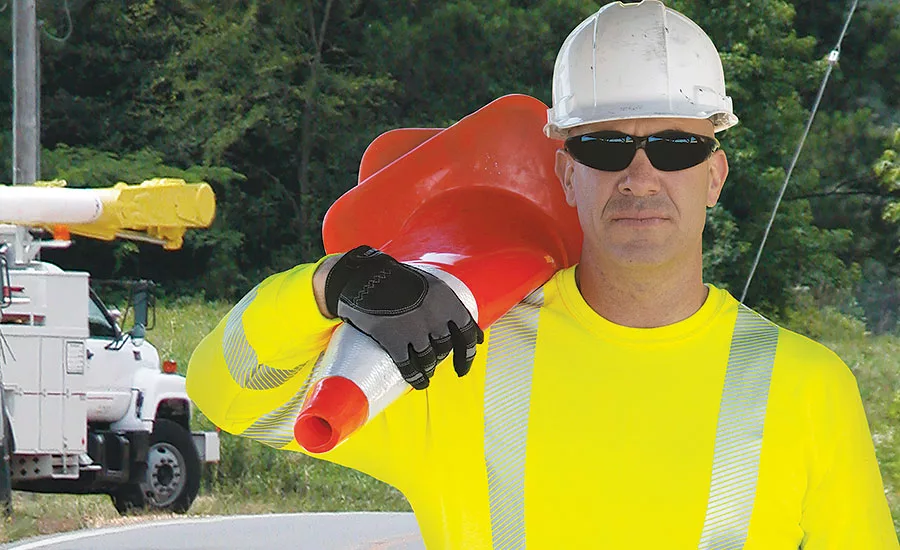
It is not uncommon to find thermal hazards in work environments where there is also poor visibility, resulting in a need for both FR and high-visibility protection. Even if it is worn over FR clothing, non-FR high-visibility clothing can ignite, continue to burn and even melt when exposed to heat and flame, endangering the wearer. But choosing to forego high-visibility clothing can be just as dangerous.
To solve this problem, FR clothing manufacturers developed high-visibility FR clothing that meets the requirements of the ANSI/ISEA 107-2015 Standard for High-Visibility Safety Apparel and Accessories as well as NFPA 70E and NFPA 2112. Now available in a variety of styles of vests, T-shirts and beyond, high-visibility FR clothing is a safety game-changer for workers in industries ranging from electrical utilities to oil and gas.
A final note
While multi-hazard protection can be the perfect solution in many work environments, it is not right for everyone. When selecting workwear, safety should always be the top priority. To evaluate the best protective clothing options for your workplace, begin by thoroughly assessing all potential hazards and consulting the applicable safety standards. From there, other factors such as comfort, long-term cost-effectiveness and style preferences should be taken into account.
If multi-hazard protection sounds like the right choice for you, remember that it is not all garments are created equal. In addition to providing combined protection against relevant hazards, the multi-hazard protection products you choose should be able to meet the demands of your work environment. For the best on-the-job performance and longest wear life, look for garments that are built for durability and made from high-quality, low-shrinkage fabrics. When it comes to comfort, you’ll want to find products that support ease of movement, fit properly, offer good breathability and help manage moisture. Since many of these factors are subjective, you may wish to work with a manufacturer that offers wear trials so you can test out your options before making a purchase.
Multi-hazard protection is already making a significant difference in safety, and these innovations are only the beginning. As work environments continue to evolve and the workwear industry shapes itself in response, new and better ways of protecting workers will continue to unfold.
Looking for a reprint of this article?
From high-res PDFs to custom plaques, order your copy today!