ISHN logo
search
cart
facebook twitter linkedin youtube
  • Sign In
  • Create Account
  • Sign Out
  • My Account
ISHN logo
  • NEWS
    • Today's News
    • Global Safety News
    • Government Regulations
  • PRODUCTS
    • Product Innovations
    • Featured Products
  • TOPICS
    • Environmental Health and Safety
    • Facility Safety
    • Workplace Health
    • Occupational Safety
    • PPE
    • More Topics
  • CONSTRUCTION
  • TECHNOLOGY
  • COLUMNS
    • Best Practices
    • Dave Johnson: What’s going on
    • Editorial Comments
    • Leading Safety
  • MULTIMEDIA
    • ISHN Podcast
    • Videos
    • Cold Stress Education Quiz
    • Webinars
    • White Papers
  • MORE
    • Buyer's Guide
    • Newsletters
    • Convention Companion
    • Polls
    • Events
    • ISHN Store
    • Sponsor Insights
  • EMAGAZINE
    • eMagazine
    • Archived Issues
    • Contact
    • Advertise
  • JOIN TODAY!
Oil and Gas Industry Safety & Health

Driver fatigue: Are training & technology the only answers?
By Dave Johnson
fatigued driver risks
November 1, 2017

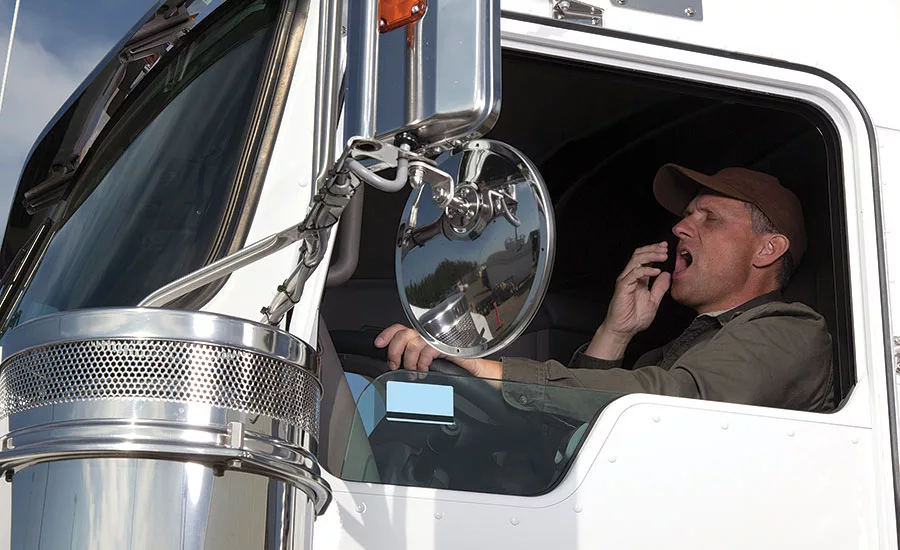
It’s been known for years now that driver fatigue is a serious risk – both on and off the job. A study by the Virginia Tech Transportation Institute found fatigue was the top cause of driver distractions, representing 20 percent of all motor vehicle accidents. We’re just not getting enough sleep. Sleep-deprived driving is a particular concern in the U.S. oil and gas extraction industry, where vehicle crashes are the most common type of fatality.

In 2012, the motor vehicle fatality rate for workers in the oil and gas industry was more than eight times higher than that of private workers in other industries, according to NIOSH.

EHS professionals are expanding their fatigue-related knowledge and assessment skills, developing evidence-based fatigue management practices. Currently, most fatigue mitigation strategies take a form of behavior modification – either training or via the use of technology, such as on-board sensors and cameras. In either case, the emphasis is on driver behavior.

Behavior-based technology

For example, driver Bluetooth headsets can be equipped with sensors and algorithms that detect subtle head movements, head bobs, or lack of movement. An accompanying smartphone app give drivers feedback on their safe driving with scores that indicate if they are checking their mirrors in a timely manner, following the speed limit, swerving, or falling asleep. If fatigue or distracted driving is detected, alerts go off or fleet managers can call drivers.

A dash-mounted camera does much the same work. It feeds data to an onboard unit with algorithms that detect eyelids closing or the head nodding, An alarm – seat vibration and audible alerts – is triggered when these movements cross a threshold.

Truck fleets are using this data to tell if drivers are developing the kind of habits needed to drive safely. There are no regulations mandating the use of such technology, but it could become mandatory in at least some companies for drivers with a higher risk profile, or to dictate retraining.

Emphasis on habits

Fatigue-related training can include educating drivers to know the symptoms of fatigue, such as swerving or missing traffic signs, which can lead to micro-sleeps. The overall importance of good sleep habits is emphasized, as is pulling over for rest or letting someone else take the wheel who is more alert. Scheduling rest stops during early morning or late night driving is another consideration.

The emphasis on training and tracking driver behavior and habits stems for estimates that human error is responsible for about 90 percent of haulage truck accidents in surface mining, with up to 70 percent of these accidents relating to fatigue.

Many truckers oppose the use of “E-nannies” and cameras pointed at their face. “We need to take a step back from this digital abyss,” posted one trucker in response to a trucking magazine article. “Let’s acknowledge all the discrepancies in dispatching, including using estimated miles versus real miles, which allows dispatch to put more pressure on a driver,” posted another trucker. “E-nannies are the magic myth that lets us not have to deal with reforming the trucking environment,” said another. “If a driver was paid a weekly living wage and had protected hours and dispatchers were paid hourly rather than on commission, the unhealthy hours and threats of termination would cease,” stated another post.

“Upstream factors” controlled by management need to be assessed as well, including risks caused by shift work, long shifts, long weeks, no rest breaks and quick shift returns. Managing driver fatigue, especially in trucking operations such as oil and gas, should include addressing the long-standing culture of pushing drivers to, or past, the limit.

KEYWORDS: accident autonomous vehicles fatigue

Share This Story

Looking for a reprint of this article?
From high-res PDFs to custom plaques, order your copy today!

Djohnson new pic 7.10.22

Dave Johnson was chief editor of ISHN from 1980 until early 2020. He uses his decades of expertise to write on hot topics and current events in the world of safety. He also writes and edits at Dave Johnson’s Writing Shop LLC and is editor-at-large for ISHN. Find him at https://www.facebook.com/Dave-Johnsons-Writing-Shop-101316571547263/, and on LinkedIn at https://www.linkedin.com/in/daveljohnsoneditor/.

Recommended Content

JOIN TODAY
to unlock your recommendations.

Already have an account? Sign In

  • forklift safety

    Exploring the latest technologies in forklift safety

    With more staff and more stock in warehousing now more...
    Facility Safety
    By: Josh Cramer
  • welding

    All about welder’s flash or arc eye

    A flash burn is a painful inflammation of the cornea,...
    Environmental Health and Safety
  • dangerous jobs

    The 10 most dangerous jobs in the U.S.

    On-the-job deaths have been rising — hitting the highest...
    Occupational Safety
    By: Benita Mehta
Manage My Account
  • eMagazine Subscriptions
  • ISHN Newsletter & Other Newsletter Alerts
  • Online Registration
  • Manage My Preferences
  • Subscription Customer Service

More Videos

Sponsored Content

Sponsored Content is a special paid section where industry companies provide high quality, objective, non-commercial content around topics of interest to the ISHN audience. All Sponsored Content is supplied by the advertising company and any opinions expressed in this article are those of the author and not necessarily reflect the views of ISHN or its parent company, BNP Media. Interested in participating in our Sponsored Content section? Contact your local rep!

close
  • man wearing the the Sundström SR200 Full Face Mask Respirator
    Sponsored byOHD

    5 Fit Testing Mistakes That Could Cost You

  • This image shows Magid AcuSpex polarized blue mirrored safety glasses.
    Sponsored byMagid Glove and Safety

    Construction PPE Guide: What Crews Need for Each Task

  • lone worker in confined space
    Sponsored byAlphasense Ltd.

    GET THE LEAD OUT of your Safety Oxygen Sensors!

Popular Stories

SpaceX 7 launch

OSHA Investigating Fatal Fall at SpaceX Starbase

dust explosion

Tennessee OSHA Issues Record $3.1M Fine After Deadly Explosion at Munitions Plant

roofing dangerous jobs Getty.jpg

OSHA Finds Florida Roofing Company Willfully Exposed Workers to Safety Hazards After Worker’s Fatal Fall

top 10 most dangerous jobs

Poll

Seasonal Readiness

With the federal heat stress prevention rule on the horizon, which area of your safety program needs the most attention?
View Results Poll Archive

Products

Surviving an OSHA Audit A Management Guide, 2nd Edition

Surviving an OSHA Audit A Management Guide, 2nd Edition

See More Products

ISHN Podcasts

Related Articles

  • Sensor technology: The revolution will be wearable

    See More
  • Truck Safety

    How to Reduce Driver Fatigue-Related Risk

    See More
  • Driver fatigue caused fatal multivehicle collision, says NTSB (9/30)

    See More
×

Become a Leader in Safety Culture

Build your knowledge with ISHN, covering key safety, health and industrial hygiene news, products, and trends.

JOIN TODAY
  • RESOURCES
    • Advertise
    • Contact Us
    • Directories
    • Manufacturing Division
    • Store
    • Want More
  • SIGN UP TODAY
    • Create Account
    • eMagazine
    • Newsletters
    • Customer Service
    • Manage Preferences
  • SERVICES
    • Marketing Services
    • Reprints
    • Market Research
    • List Rental
    • Survey/Respondent Access
  • STAY CONNECTED
    • LinkedIn
    • Facebook
    • YouTube
    • X (Twitter)
  • PRIVACY
    • PRIVACY POLICY
    • TERMS & CONDITIONS
    • DO NOT SELL MY PERSONAL INFORMATION
    • PRIVACY REQUEST
    • ACCESSIBILITY

Copyright ©2026. All Rights Reserved BNP Media, Inc. and BNP Media II, LLC.

Design, CMS, Hosting & Web Development :: ePublishing