ISHN logo
search
cart
facebook twitter linkedin youtube
  • Sign In
  • Create Account
  • Sign Out
  • My Account
ISHN logo
  • NEWS
    • Today's News
    • Global Safety News
    • Government Regulations
  • PRODUCTS
    • Product Innovations
    • Featured Products
  • TOPICS
    • Environmental Health and Safety
    • Facility Safety
    • Workplace Health
    • Occupational Safety
    • PPE
    • More Topics
  • CONSTRUCTION
  • TECHNOLOGY
  • COLUMNS
    • Best Practices
    • Dave Johnson: What’s going on
    • Editorial Comments
    • Leading Safety
  • MULTIMEDIA
    • ISHN Podcast
    • Videos
    • Cold Stress Education Quiz
    • Webinars
    • White Papers
  • MORE
    • Buyer's Guide
    • Newsletters
    • Convention Companion
    • Polls
    • Events
    • ISHN Store
    • Sponsor Insights
  • EMAGAZINE
    • eMagazine
    • Archived Issues
    • Contact
    • Advertise
  • JOIN TODAY!
Workplace HealthPsychology in the Workplace

Suicide rates rising across the U.S.

increase
August 1, 2018

Suicide rates have been rising in nearly every state, according to the latest Vital Signs(https://www.cdc.gov/vitalsigns) report by the Centers for Disease Control and Prevention (CDC). In 2016, nearly 45,000 Americans age 10 or older died by suicide. Suicide is the 10th leading cause of death and is one of just three leading causes that are on the rise.

Suicide is rarely caused by a single factor. Although suicide prevention efforts largely focus on identifying and providing treatment for people with mental health conditions, there are many additional opportunities for prevention.

“Suicide is a leading cause of death for Americans – and it’s a tragedy for families and communities across the country,” said CDC Principal Deputy Director Anne Schuchat, M.D. “From individuals and communities to employers and healthcare professionals, everyone can play a role in efforts to help save lives and reverse this troubling rise in suicide.”

Many factors contribute to suicide

For this Vital Signs report, CDC researchers examined state-level trends in suicide rates from 1999-2016. In addition, they used 2015 data from CDC’s National Violent Death Reporting System(https://www.cdc.gov/violenceprevention/nvdrs/index.html), which covered 27 states, to look at the circumstances of suicide among people with and without known mental health conditions.

Researchers found that more than half of people who died by suicide did not have a known diagnosed mental health condition at the time of death. Relationship problems or loss, substance misuse; physical health problems; and job, money, legal or housing stress often contributed to risk for suicide. Firearms were the most common method of suicide used by those with and without a known diagnosed mental health condition.

State suicide rates vary widely

The most recent overall suicide rates (2014-2016) varied four-fold; from 6.9 per 100,000 residents per year in Washington, D.C. to 29.2 per 100,000 residents in Montana.

Across the study period, rates increased in nearly all states. Percentage increases in suicide rates ranged from just under 6 percent in Delaware to over 57 percent in North Dakota. Twenty-five states had suicide rate increases of more than 30 percent.

Wide range of prevention activities needed

The report recommends that states take a comprehensive public health approach to suicide prevention and address the range of factors contributing to suicide. This requires coordination and cooperation from every sector of society: government, public health, healthcare, employers, education, media and community organizations.

To help states with this important work, in 2017 CDC released a technical package(https://www.cdc.gov/violenceprevention/pdf/suicideTechnicalPackage.pdf) on suicide prevention that describes strategies and approaches based on the best available evidence. This can help inform states and communities as they make decisions about prevention activities and priorities.

Everyone can help prevent suicide:

  • Learn the warning signs of suicide to identify and appropriately respond to people at risk. Find out how this can save a life by visiting: www.BeThe1to.com
  • Reduce access to lethal means – such as medications and firearms – among people at risk of suicide.
  • Contact the National Suicide Prevention Lifeline for help: 1-800-273-TALK (8255). https://suicidepreventionlifeline.org

The media can avoid increasing risk when reporting on suicide by:

  • Following and sharing recommendations available at reportingonsuicide.org (for example, avoiding dramatic headlines or explicit details on suicide methods);
  • Providing information on suicide warning signs and suicide prevention resources; and
  • Sharing stories of hope and healing.

Vital Signs(https://www.cdc.gov/vitalsigns) is a CDC report that typically appears on the first Tuesday of the month as part of the CDC journal Morbidity and Mortality Weekly Report(https://www.cdc.gov/mmwr). The report provides the latest data and information on key health indicators, and what can be done to drive down these health threats.


You may also like:

 

Job strain

Job strain, long work hours, and suicidal thoughts

 

Openness about depression
Openness about depression in workplace increases productivity


Today is World suicide prevention day
Today is World Suicide Prevention Day

KEYWORDS: mental health public health

Share This Story

Looking for a reprint of this article?
From high-res PDFs to custom plaques, order your copy today!

Recommended Content

JOIN TODAY
to unlock your recommendations.

Already have an account? Sign In

  • forklift safety

    Exploring the latest technologies in forklift safety

    With more staff and more stock in warehousing now more...
    Facility Safety
    By: Josh Cramer
  • welding

    All about welder’s flash or arc eye

    A flash burn is a painful inflammation of the cornea,...
    Environmental Health and Safety
  • dangerous jobs

    The 10 most dangerous jobs in the U.S.

    On-the-job deaths have been rising — hitting the highest...
    Construction Industry Safety and Health
    By: Benita Mehta
Manage My Account
  • eMagazine Subscriptions
  • ISHN Newsletter & Other Newsletter Alerts
  • Online Registration
  • Manage My Preferences
  • Subscription Customer Service

More Videos

Sponsored Content

Sponsored Content is a special paid section where industry companies provide high quality, objective, non-commercial content around topics of interest to the ISHN audience. All Sponsored Content is supplied by the advertising company and any opinions expressed in this article are those of the author and not necessarily reflect the views of ISHN or its parent company, BNP Media. Interested in participating in our Sponsored Content section? Contact your local rep!

close
  • man wearing the the Sundström SR200 Full Face Mask Respirator
    Sponsored byOHD

    5 Fit Testing Mistakes That Could Cost You

  • This image shows Magid AcuSpex polarized blue mirrored safety glasses.
    Sponsored byMagid Glove and Safety

    Construction PPE Guide: What Crews Need for Each Task

  • lone worker in confined space
    Sponsored byAlphasense Ltd.

    GET THE LEAD OUT of your Safety Oxygen Sensors!

Popular Stories

SpaceX 7 launch

OSHA Investigating Fatal Fall at SpaceX Starbase

Worker Impairment

How to Tell When a Co-Worker is Impaired? A Safety Pro’s Challenge

Automated loading dock equipment

After March 2026 Rivian Death, Safety Managers Reassess Loading Dock Systems Under OSHA's Warehouse Emphasis Program

top 10 most dangerous jobs

Poll

Seasonal Readiness

With the federal heat stress prevention rule on the horizon, which area of your safety program needs the most attention?
View Results Poll Archive

Products

Surviving an OSHA Audit A Management Guide, 2nd Edition

Surviving an OSHA Audit A Management Guide, 2nd Edition

See More Products

ISHN Podcasts

Related Articles

  • Across the U.S., Workers’ Memorial Day events honor the fallen

    See More
  • highway construction zone

    Construction accidents across the U.S. this week

    See More
  • Recent OSH incidents across the U.S.

    See More

Related Products

See More Products
  • 1119906652.webp

    Alive and Well at the End of the Day: The Supervisor's Guide to Managing Safety in Operations, 2E

  • fearless world.jpg

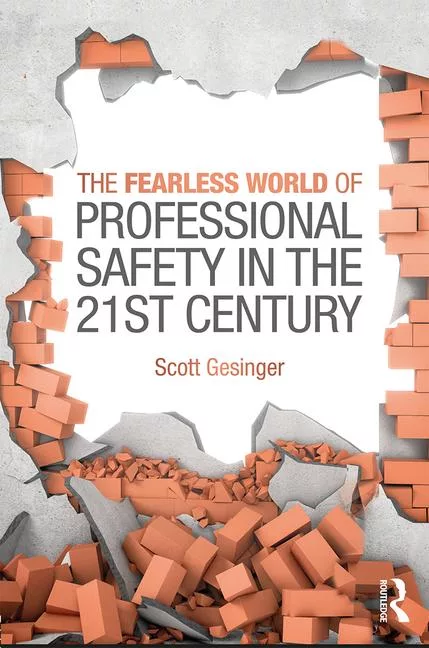
    The Fearless World of Professional Safety in the 21st Century

See More Products

Events

View AllSubmit An Event
  • March 24, 2026

    Building an OSHA-Ready Program Across Sites and Teams

    ON DEMAND: Whether you oversee multiple teams or multiple sites, you’ll leave with practical steps to improve consistency, visibility, and control across your OSHA compliance program.
View AllSubmit An Event
×

Become a Leader in Safety Culture

Build your knowledge with ISHN, covering key safety, health and industrial hygiene news, products, and trends.

JOIN TODAY
  • RESOURCES
    • Advertise
    • Contact Us
    • Directories
    • Manufacturing Division
    • Store
    • Want More
  • SIGN UP TODAY
    • Create Account
    • eMagazine
    • Newsletters
    • Customer Service
    • Manage Preferences
  • SERVICES
    • Marketing Services
    • Reprints
    • Market Research
    • List Rental
    • Survey/Respondent Access
  • STAY CONNECTED
    • LinkedIn
    • Facebook
    • YouTube
    • X (Twitter)
  • PRIVACY
    • PRIVACY POLICY
    • TERMS & CONDITIONS
    • DO NOT SELL MY PERSONAL INFORMATION
    • PRIVACY REQUEST
    • ACCESSIBILITY

Copyright ©2026. All Rights Reserved BNP Media, Inc. and BNP Media II, LLC.

Design, CMS, Hosting & Web Development :: ePublishing