ISHN logo
search
cart
facebook twitter linkedin youtube
  • Sign In
  • Create Account
  • Sign Out
  • My Account
ISHN logo
  • NEWS
    • Today's News
    • Global Safety News
    • Government Regulations
  • PRODUCTS
    • Product Innovations
    • Featured Products
  • TOPICS
    • Environmental Health and Safety
    • Facility Safety
    • Workplace Health
    • Occupational Safety
    • PPE
    • More Topics
  • CONSTRUCTION
  • TECHNOLOGY
  • COLUMNS
    • Best Practices
    • Dave Johnson: What’s going on
    • Editorial Comments
    • Leading Safety
  • MULTIMEDIA
    • ISHN Podcast
    • Videos
    • Cold Stress Education Quiz
    • Webinars
    • White Papers
  • MORE
    • Buyer's Guide
    • Newsletters
    • Convention Companion
    • Polls
    • Events
    • ISHN Store
    • Sponsor Insights
  • EMAGAZINE
    • eMagazine
    • Archived Issues
    • Contact
    • Advertise
  • JOIN TODAY!
Workplace Health

What you need to know about food recalls
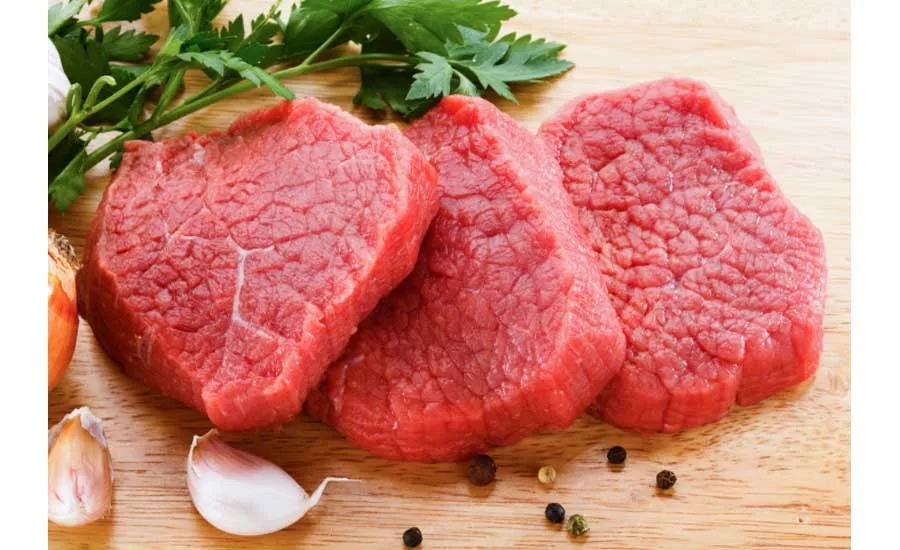
red meat
August 24, 2018

According to a 2009 study by the Rutgers University Food Policy Institute, fewer than 60% of Americans have ever checked their homes for a recalled food item. This suggests that, while many Americans view food recalls as important, they don’t believe they’re particularly relevant. With food product and ingredient recalls becoming increasingly present in our daily lives, Stop Foodborne Illness presents a basic guide to orient consumers on food recalls.

Frequently asked questions about food recalls

Who issues recalls?
In many cases the product manufacturer or producer initiates a recall in cooperation with the federal agency of jurisdiction. Until very recently, all food recalls have been voluntary actions. However, due to FSMA the FDA can now mandate a food recall.

Who regulates food products?
The USDA Food Safety and Inspection Service (FSIS) inspects and regulates meat and poultry products, and pasteurized egg products produced in federally-inspected plants. The Food and Drug Administration (FDA) regulates all food products not regulated by the FSIS.

How are potentially unsafe food products discovered?
Most symptoms of foodborne illness do not occur until hours or even days after consuming contaminated food. So, it is difficult to determine if a specifi­c food product is unsafe just by simply looking at it. However, there are several ways unsafe food products are identified:

  • The manufacturer or distributor may identify the problem and voluntarily inform FSIS or FDA that a potentially unsafe food product has been placed into commerce.
  • The FSIS, the FDA, or a state or local regulatory agency may discover potentially unsafe food products during sample testing or routine inspections.
  • Other Federal agencies like the Centers for Disease Control & Prevention (CDC) or Department of Defense (DoD) may report a potential health problem to FSIS or FDA.
  • Consumers may notify their local public health departments or report directly to FSIS, FDA or another government agency.

How do i report a suspected food safety problem?
Consumers can report adverse reactions related to food products by contacting:

  • Local Public Health Departments
  • FDA SAFEFOOD Information Line: 1-888-SAFEFOOD
  • USDA Meat and Poultry Hotline: 1-800-MPHOTLINE (888-674-6854)

What to look for when there’s a food recall
You’ve become aware that there is a food recall, but now what? A recall alert or notice will indicate any or all the following items with which to ID a product, from this list of commonly recalled foods:

  • Meat and Poultry Products
    • Product name/type
    • Product brand
    • Establishment number (Notes the plant where it was produced. May appear within inspection seal or elsewhere on packaging)
    • Product weight/size
    • Production Lot ID and/or Date Code
  • Fruits and Vegetables
    • Is the recall for whole fresh produce or pre-packaged produce?
    • For whole fresh produce, individual units will have a label, but no other ID. Check with the store where you bought the product. (Keep your receipts.)
    • For Pre-packaged produce, check for brand name, best by date and production codes
  • Frozen Products
    • Product name/type
    • Product brand/manufacturer
    • Product weight/size
    • Production lot code or UPC number
    • Best if used by date
  • Canned Products
    • Product name/type
    • Product brand/manufacturer
    • Product size (ounces)
    • UPC number
  • Other Processed Food Products
    • Product name/type
    • Product brand/manufacturer
    • Product weight/size
    • Production lot code or UPC number
    • Best if used by date
  • In-store Prepared or Deli Products
    • Product type (salad, sandwich, etc.)
    • Product and/or store brand
    • Look for label information as listed in recall notice
    • Check with the store where you bought the product (including their website)

Recall terms
How is the severity of a food recall measured? What do these classifications mean? Following is a list of recall terms, and definitions, to help you hone your Food Recall Knowledge!

  • Class I Recall: Involves a dangerous or defective product that is reasonably likely to cause serious health problems or death
  • Class II Recall: Involves a product that may cause temporary or medically reversible adverse health consequences
  • Class III Recall: Use of or exposure to the product is not likely to cause adverse health consequences
  • Public Health Alert: May be issued when FSIS (CDC, or State Health Department) has reason to believe that a food product may be associated with human illnesses, but cannot identify a specific product that should be recalled
  • Market Withdrawal: Involves a product that is withdrawn from the market because it does not meet company quality speci­fications or it exhibits a minor infraction of regulatory requirements
  • Establishment Number: The establishment number directly connects a meat or poultry food product to the plant at which it was produced

How can I stay informed about food recalls?

Stop Foodborne Illness is a good source for complete, concise and up to date food recall information, culled from federal agencies such as FSIS, FDA, and CFIA. Food recalls are often featured on local or national news broadcasts, and many grocery stores or online retailers will confi­rm that recalled food is removed from shelves.

Food recalls are largely preventable. However, if one happens, and you know where to find food recall information, how to correctly identify the recalled item, or report a potential food safety problem, you can better protect your community from the dangers of foodborne illness. Creating a food safety plan is easy; just remember and practice the basics. Take the first step and sign up to receive Stop Foodborne Illness e-Alerts and eNews.

KEYWORDS: food safety illness

Share This Story

Looking for a reprint of this article?
From high-res PDFs to custom plaques, order your copy today!

Recommended Content

JOIN TODAY
to unlock your recommendations.

Already have an account? Sign In

  • forklift safety

    Exploring the latest technologies in forklift safety

    With more staff and more stock in warehousing now more...
    Facility Safety
    By: Josh Cramer
  • welding

    All about welder’s flash or arc eye

    A flash burn is a painful inflammation of the cornea,...
    Environmental Health and Safety
  • dangerous jobs

    The 10 most dangerous jobs in the U.S.

    On-the-job deaths have been rising — hitting the highest...
    Occupational Safety
    By: Benita Mehta
Manage My Account
  • eMagazine Subscriptions
  • ISHN Newsletter & Other Newsletter Alerts
  • Online Registration
  • Manage My Preferences
  • Subscription Customer Service

More Videos

Sponsored Content

Sponsored Content is a special paid section where industry companies provide high quality, objective, non-commercial content around topics of interest to the ISHN audience. All Sponsored Content is supplied by the advertising company and any opinions expressed in this article are those of the author and not necessarily reflect the views of ISHN or its parent company, BNP Media. Interested in participating in our Sponsored Content section? Contact your local rep!

close
  • man wearing the the Sundström SR200 Full Face Mask Respirator
    Sponsored byOHD

    5 Fit Testing Mistakes That Could Cost You

  • This image shows Magid AcuSpex polarized blue mirrored safety glasses.
    Sponsored byMagid Glove and Safety

    Construction PPE Guide: What Crews Need for Each Task

  • lone worker in confined space
    Sponsored byAlphasense Ltd.

    GET THE LEAD OUT of your Safety Oxygen Sensors!

Popular Stories

chemical safety

It Was Just Sugar: Catastrophic Safety Failures in Louisville

Automated loading dock equipment

After March 2026 Rivian Death, Safety Managers Reassess Loading Dock Systems Under OSHA's Warehouse Emphasis Program

psychology in the workplace

Most Workplaces Measure Psychological Safety, Ignoring Psychosocial Risks

top 10 most dangerous jobs

Events

July 21, 2026

When Dust Becomes a Disaster

In this webinar, attendees will gain a foundational understanding of combustible dust hazards, including the conditions that lead to fires and explosions, common ignition sources, and high-risk processes found throughout industry.

View All Submit An Event

Poll

Seasonal Readiness

With the federal heat stress prevention rule on the horizon, which area of your safety program needs the most attention?
View Results Poll Archive

Products

Surviving an OSHA Audit A Management Guide, 2nd Edition

Surviving an OSHA Audit A Management Guide, 2nd Edition

See More Products

ISHN Podcasts

Related Articles

  • Janitor cleaning

    Cleaning up during COVID-19: What you need to know about janitors' risk

    See More
  • forklift

    What you need to know about OSHA’s increased focus on warehouse safety

    See More
  • ISHN0420_pg2b_digitalExcl_pic.jpg

    What you need to know about coronavirus

    See More

Related Products

See More Products
  • ISHN Instrument & Controls Industrial Hygiene Buyers Guide

  • Top Ten Pitfalls in OSHA Recordkeeping and How to Avoid Them

  • 2016_WM.jpg

    ANSI/ASSE Z9.11-2016 Laboratory Decommissioning

See More Products

Related Directories

  • Magid Glove and Safety

    As your true partner in safety, our mission is to provide the expertise and revolutionary innovations in PPE that help you keep your workers safe. The relationships we build with our customers drive everything we do as we get to know you and your unique needs. Our skilled manufacturing provides the latest innovations and technologies in PPE that you can’t get anywhere else. Our worldwide network of suppliers gives you access to the top brands in safety. We have everything you need to increase safety, reduce spend, and supercharge your workers! Since 1946, fourth generation and family-owned, safety isn't just a job, it's our legacy.
×

Become a Leader in Safety Culture

Build your knowledge with ISHN, covering key safety, health and industrial hygiene news, products, and trends.

JOIN TODAY
  • RESOURCES
    • Advertise
    • Contact Us
    • Directories
    • Manufacturing Division
    • Store
    • Want More
  • SIGN UP TODAY
    • Create Account
    • eMagazine
    • Newsletters
    • Customer Service
    • Manage Preferences
  • SERVICES
    • Marketing Services
    • Reprints
    • Market Research
    • List Rental
    • Survey/Respondent Access
  • STAY CONNECTED
    • LinkedIn
    • Facebook
    • YouTube
    • X (Twitter)
  • PRIVACY
    • PRIVACY POLICY
    • TERMS & CONDITIONS
    • DO NOT SELL MY PERSONAL INFORMATION
    • PRIVACY REQUEST
    • ACCESSIBILITY

Copyright ©2026. All Rights Reserved BNP Media, Inc. and BNP Media II, LLC.

Design, CMS, Hosting & Web Development :: ePublishing